Nutrition Response Testing Complete Health Guide Today
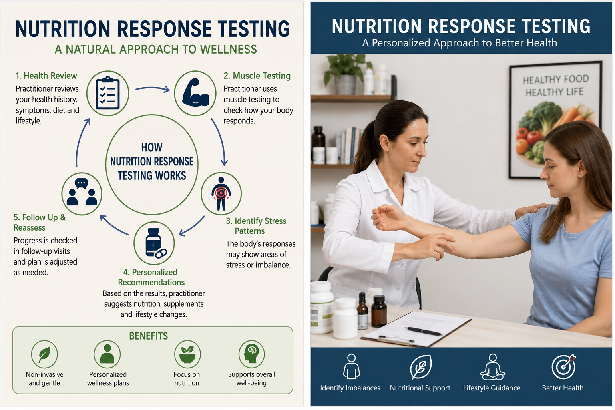
Nutrition Response Testing is a natural health assessment method that many wellness practitioners use to identify stress in the body. Many people seek this approach because they want to understand possible nutritional imbalances and improve their overall well-being through natural support.
Today, more people look for non-invasive ways to learn about their health. As a result, nutrition response testing has gained attention in wellness clinics across the world. However, many people still ask important questions. What is it? How does it work? Is it scientific? Can it help improve health?
This complete guide explains everything you need to know. Moreover, it uses simple language that anyone can understand.
What Is Nutrition Response Testing?
Nutrition Response Testing is a non-invasive assessment method used by some wellness practitioners. During the process, a practitioner checks how the body responds to different stimuli through muscle testing techniques.
According to practitioners, the body may reveal areas under stress. Therefore, they use these findings to suggest dietary changes, lifestyle improvements, and nutritional supplements.
However, it is not a medical diagnosis tool. Instead, practitioners present it as a wellness assessment method.
For more information about evidence-based nutrition, visit the Academy of Nutrition and Dietetics: Academy of Nutrition and Dietetics
Table of Contents
The History of Nutrition Response Testing
Nutrition response testing developed from concepts related to applied kinesiology. Over time, practitioners created structured systems that focused on nutritional wellness.
As interest in natural health grew, many wellness centers started offering this service. Consequently, awareness increased among people seeking alternative health approaches.
Why Nutrition Response Testing Is Becoming Popular
Several factors contribute to its popularity.
- People want natural wellness options.
- Many individuals seek personalized health guidance.
- Some prefer non-invasive assessments.
- Wellness clinics increasingly promote holistic approaches.
Furthermore, social media and online testimonials continue to increase public interest.
How it Works
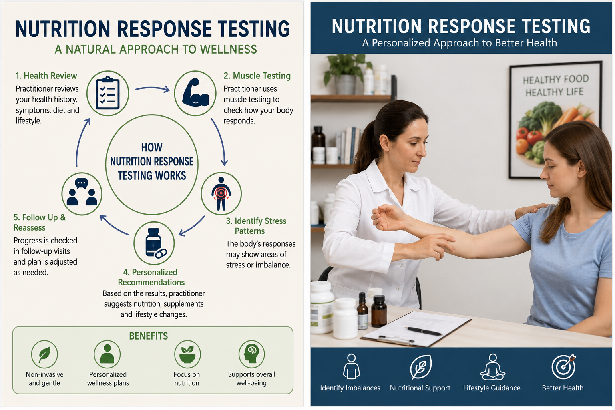
During a session, the practitioner typically places one hand on specific body areas. Then, they test muscle resistance, usually through the arm.
Supporters believe changes in muscle response may indicate stress patterns.
The process often includes:
- Health history review
- Physical assessment
- Muscle response testing
- Nutritional recommendations
- Follow-up visits
The Basic Theory Behind Nutrition Response Testing
Practitioners believe the nervous system communicates information about body stress.
Therefore, they use muscle testing to identify potential concerns.
Supporters claim that weak responses may indicate stress. Meanwhile, strong responses may suggest better function.
What Happens During a Session?
A typical session follows several steps.
Step 1: Health Discussion
The practitioner asks questions about symptoms, lifestyle, diet, and goals.
Step 2: Muscle Testing
Next, the practitioner evaluates muscle responses.
Step 3: Nutritional Evaluation
After that, nutritional recommendations may be provided.
Step 4: Wellness Plan
Finally, the practitioner creates a customized plan.
Muscle Testing
Muscle testing plays a central role in this approach.
Practitioners believe muscles react differently when the body experiences stress. Consequently, they use these reactions to guide recommendations.
The Role of the Nervous System
The nervous system helps coordinate body functions.
Supporters of nutrition response testing believe nervous system signals can reveal areas needing support.
However, scientific evidence supporting these claims remains limited.
How Practitioners Check Stress Signals
Practitioners often examine:
- Digestive function
- Energy levels
- Sleep quality
- Stress levels
- Immune health
- Nutritional status
As a result, they build individualized wellness plans.
Nutrition Response Testing for Digestive Health
Digestive complaints often lead people to wellness clinics.
Common concerns include:
- Bloating
- Gas
- Indigestion
- Food discomfort
Therefore, practitioners frequently focus on digestive support.
Nutrition Response Testing for Energy Levels
Low energy affects millions of people.
Consequently, many clients seek help when they feel tired throughout the day.
Practitioners may recommend:
- Better sleep habits
- Improved nutrition
- Stress management
- Supplement support
Nutrition Response Testing for Sleep Problems
Good sleep supports overall health.
Therefore, practitioners often explore factors that may affect sleep quality.
Common recommendations include:
- Consistent bedtime routines
- Reduced caffeine intake
- Better stress management
Nutrition Response Testing for Weight Management
Weight management depends on many factors.
For example:
- Nutrition
- Exercise
- Sleep
- Stress
- Medical conditions
Therefore, wellness plans often address several lifestyle areas at once.
For Stress Support
Stress affects both physical and emotional well-being.
As a result, many wellness plans include relaxation strategies.
Examples include:
- Walking
- Meditation
- Deep breathing
- Better sleep habits
Nutrition Response Testing and Food Sensitivities
Some practitioners use nutrition response testing when clients suspect food sensitivities.
However, medical allergy testing remains the standard method for diagnosing allergies.
For allergy information, visit the American Academy of Allergy, Asthma & Immunology: American Academy of Allergy Asthma & Immunology
Nutrition Response Testing and Nutritional Deficiencies
Nutritional deficiencies can affect health.
Examples include:
- Iron deficiency
- Vitamin D deficiency
- Vitamin B12 deficiency
However, blood tests remain the most reliable way to confirm deficiencies.
Nutrition Response Testing for Children
Parents sometimes seek natural wellness support for children.
However, children should always receive proper medical care when needed.
Nutrition Response Testing for Older Adults
Older adults often focus on:
- Energy
- Mobility
- Nutrition
- Healthy aging
Therefore, personalized wellness plans may help support healthy habits.
Nutrition Response Testing and Athletes
Athletes constantly search for ways to improve performance.
Consequently, some athletes use nutrition response testing to guide nutritional choices.
Nutrition Response Testing and Immune Support
Healthy habits support the immune system.
These habits include:
- Quality sleep
- Balanced nutrition
- Regular exercise
- Stress reduction
Common Nutritional Supplements Recommended
Recommendations vary widely.
Common examples include:
| Supplement | Purpose |
| Multivitamin | General nutrition |
| Probiotics | Digestive support |
| Omega-3 | Heart and brain health |
| Magnesium | Muscle support |
| Vitamin D | Bone health |
| Zinc | Immune support |
Always discuss supplements with a healthcare professional.
How Long Does a Session Take?
Most sessions last between:
| Session Type | Typical Length |
| Initial Visit | 45–90 minutes |
| Follow-Up Visit | 20–45 minutes |
What Does a Practitioner Look For?
Practitioners may look for:
- Stress patterns
- Dietary concerns
- Lifestyle habits
- Nutritional support needs
Benefits of Nutrition Response Testing
Many supporters report benefits such as:
Personalized Approach
Recommendations often match individual goals.
Non-Invasive Process
No needles or laboratory procedures occur during the assessment.
Focus on Lifestyle
Practitioners often encourage healthier daily habits.
Wellness Education
Many clients learn more about nutrition and self-care.
Drawbacks of Nutrition Response Testing
Potential drawbacks include:
Limited Scientific Evidence
Research remains limited.
Subjective Results
Different practitioners may produce different findings.
Additional Costs
Multiple visits can become expensive.
Not a Diagnostic Tool
It cannot replace medical testing.
Is it Scientifically Proven?
This question remains important.
Currently, major medical organizations do not recognize nutrition response testing as a scientifically validated diagnostic method.
Therefore, consumers should understand its limitations.
What Researchers Say
Researchers generally request stronger evidence through well-designed studies.
Therefore, more research remains necessary.
For reliable health information, visit the National Institutes of Health: National Institutes of Health
What Supporters Say
Supporters often report:
- Better energy
- Improved digestion
- Increased wellness awareness
- Healthier habits
What Critics Say
Critics often mention:
- Lack of strong scientific support
- Variable results
- Limited research
Therefore, balanced evaluation remains important.
Real-Life Example #1
Sarah struggled with fatigue.
After visiting a wellness practitioner, she improved her sleep schedule, increased water intake, and followed healthier eating habits.
Several months later, she reported higher energy levels.
Her improvements may have resulted from multiple healthy lifestyle changes rather than testing alone.
Real-Life Example #2
Mike experienced digestive discomfort.
He started keeping a food journal and adjusted his diet.
As a result, his symptoms improved over time.
Again, several factors likely contributed to his success.
Case Study: Digestive Wellness Journey
Background
A 42-year-old office worker experienced bloating and discomfort.
Wellness Plan
- Increased fiber intake
- Better hydration
- Regular exercise
- Reduced processed foods
Outcome
Within several weeks, digestive comfort improved significantly.
Case Study: Energy Improvement Journey
Background
A busy parent felt tired every day.
Plan
- Improved sleep schedule
- Healthier breakfast choices
- Daily walks
Results
Energy levels improved after consistent lifestyle changes.
How Much Does it Cost?
Costs vary by location.
| Service | Typical Range |
| Initial Visit | $75–$250 |
| Follow-Up | $40–$150 |
| Supplements | Additional Cost |
How Many Sessions Are Usually Needed?
Some people attend:
- 1–3 visits
- 4–8 visits
- Long-term wellness programs
Needs vary from person to person.
Questions to Ask a Practitioner
Before starting, ask:
- What training do you have?
- How does the process work?
- What can I realistically expect?
- What are the costs?
- Will you coordinate with my doctor?
Red Flags to Watch Out For
Be cautious if someone:
- Promises miracle cures
- Discourages medical care
- Claims guaranteed results
- Uses fear-based marketing
Nutrition Response Testing vs Traditional Medical Testing
| Feature | Nutrition Response Testing | Medical Testing |
| Diagnosis | No | Yes |
| Scientific Validation | Limited | Strong |
| Blood Work | No | Yes |
| Medical Treatment | No | Yes |
| Wellness Guidance | Yes | Sometimes |
Can Both Approaches Work Together?
Many people use wellness services alongside traditional healthcare.
However, medical concerns should always receive professional medical evaluation.
Expert Advice for Beginners
Health experts often recommend:
- Maintain realistic expectations.
- Continue regular medical care.
- Focus on healthy habits.
- Ask questions.
- Review scientific evidence.
Success Tips
To get the most value:
- Eat balanced meals.
- Stay active.
- Sleep well.
- Manage stress.
- Track progress.
Lifestyle Habits That Support Better Results
Healthy habits often provide the biggest benefits.
These include:
- Drinking water
- Eating vegetables
- Exercising regularly
- Limiting processed foods
- Maintaining healthy sleep routines
Who Should Avoid Relying Only on Nutrition Response Testing?
People with serious symptoms should seek medical evaluation.
Examples include:
- Chest pain
- Severe fatigue
- Unexplained weight loss
- High fever
- Difficulty breathing
Future of Nutrition Response Testing
Interest in personalized wellness continues to grow.
Therefore, nutrition response testing may remain popular among holistic health practitioners.
At the same time, researchers will likely continue evaluating its effectiveness.
Nutrition Response Testing Complete Health Guide Today
Frequently Asked Questions
- What is nutrition response testing?
It is a wellness assessment method that uses muscle response techniques.
- Is it painful?
No, the process is generally non-invasive.
- Can it diagnose diseases?
No, it is not a diagnostic tool.
- Is it scientifically proven?
Scientific support remains limited.
- How long does a session take?
Usually 45–90 minutes initially.
- Does insurance cover it?
Coverage varies by provider.
- Can children use it?
Some practitioners work with children.
- Can seniors use it?
Yes, many older adults participate.
- Is it safe?
Generally, the assessment itself is non-invasive.
- What supplements might be recommended?
Common options include vitamins, minerals, and probiotics.
- How much does it cost?
Costs vary widely.
- Do results appear immediately?
Practitioners provide feedback during sessions.
- Can athletes use it?
Many athletes explore wellness assessments.
- Does it help digestion?
Some users report digestive improvements.
- Does it help energy levels?
Many wellness plans focus on energy support.
- Can it detect food allergies?
No, allergy testing should come from medical professionals.
- Is muscle testing accurate?
Experts disagree on reliability.
- Should I stop seeing my doctor?
No, continue professional medical care.
- How many visits are needed?
The number varies by individual goals.
- Is it worth trying?
That depends on your goals, expectations, and understanding of its limitations.
Conclusion
Nutrition Response Testing remains a popular wellness approach among people seeking natural health support. Many individuals appreciate its personalized style, non-invasive process, and focus on nutrition and lifestyle improvement. Furthermore, practitioners often help clients build healthier daily habits that support overall well-being.
However, it is important to understand that it does not diagnose diseases and does not replace evidence-based medical care. Therefore, anyone with serious symptoms should seek professional medical evaluation.
The best approach combines healthy nutrition, regular exercise, quality sleep, stress management, and appropriate medical guidance. As a result, you can build a stronger foundation for long-term health while making informed decisions about nutrition response testing and other wellness options.