Sustainable Safari in Hampton Roads VA: Complete Eco Travel Guide
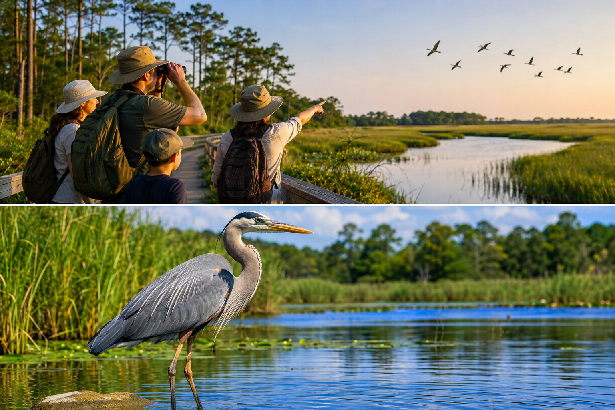
Sustainable safari in Hampton Roads VA is becoming one of the most exciting ways to enjoy nature while protecting it. Instead of simply watching wildlife, visitors can help preserve habitats, support local conservation efforts, and learn how every small action makes a difference. A sustainable safari combines fun, education, and environmental care into one unforgettable experience.
Although Hampton Roads does not have the large wild animal safaris found in Africa, it offers amazing wildlife refuges, coastal habitats, wetlands, forests, birdwatching areas, and marine ecosystems. These places allow families, students, photographers, and nature lovers to enjoy an eco-friendly safari close to home.
In this complete guide, you will discover what a sustainable safari means, where to experience one in Hampton Roads VA, how to travel responsibly, and why sustainable tourism helps wildlife, local communities, and future generations.
Table of Contents
What Is Sustainable Safari?
A sustainable safari focuses on enjoying wildlife without harming animals or their habitats. Every decision during the trip helps protect nature.
For example, instead of feeding animals, visitors observe them quietly. Instead of leaving trash behind, travelers carry reusable bottles and bags.
Most importantly, sustainable safaris support conservation instead of damaging natural environments.
The goal is simple:
- Protect wildlife
- Respect nature
- Help local communities
- Reduce pollution
- Leave every place better than you found it
Because of these values, more travelers now choose eco-friendly adventures every year.
Why Sustainable Safari Matters
Nature faces many challenges today.
For example:
- Habitat loss
- Plastic pollution
- Rising sea levels
- Climate change
- Water pollution
- Disturbance from careless tourism
Therefore, every responsible traveler can make a positive impact.
A sustainable safari helps protect birds, turtles, fish, deer, foxes, butterflies, wetlands, forests, and coastal ecosystems.
Instead of creating damage, visitors become partners in conservation.
As a result, wildlife continues to thrive for future generations.
Why Hampton Roads VA Is Perfect for Sustainable Safari
Many people think they must travel overseas to enjoy a safari.
However, Hampton Roads offers something different.
Instead of lions and elephants, visitors explore:
- Coastal marshes
- Wildlife refuges
- Rivers
- Beaches
- Forest trails
- Bird sanctuaries
- Salt marshes
- Estuaries
These natural areas provide homes for hundreds of native species.
Furthermore, many local organizations work every day to protect these habitats.
Because of these conservation efforts, Hampton Roads has become one of Virginia’s best places for eco-tourism.
Sustainable Safari and Local Conservation
Every visitor helps conservation in different ways.
For example:
- Paying park entrance fees
- Supporting eco-tour companies
- Buying from local businesses
- Joining volunteer cleanups
- Donating to wildlife organizations
Together, these actions create lasting benefits.
As a result, parks receive funding to improve trails, restore habitats, and educate visitors.
Everyone wins.
Wildlife You Can Discover During a Sustainable Safari
One of the biggest attractions is local wildlife.
Depending on the season, you may see:
Birds
- Bald eagles
- Ospreys
- Great blue herons
- Snowy egrets
- Brown pelicans
- Sandpipers
- Ducks
- Geese
Mammals
- White-tailed deer
- Red foxes
- River otters
- Raccoons
- Eastern cottontail rabbits
Marine Life
- Dolphins
- Horseshoe crabs
- Blue crabs
- Sea turtles
- Small fish species
Reptiles
- Box turtles
- Water snakes
- Painted turtles
Insects
- Monarch butterflies
- Dragonflies
- Native bees
Because Hampton Roads includes many habitats, every safari feels different.
Why Wetlands Matter
Wetlands may look simple.
However, they perform amazing jobs.
They:
- Clean water naturally
- Reduce flooding
- Protect shorelines
- Provide homes for wildlife
- Support fish populations
Without wetlands, many birds would lose nesting areas.
Likewise, fish populations would decline.
Therefore, protecting wetlands remains one of the biggest goals of sustainable safari tourism.
Best Seasons for Sustainable Safari
Every season offers unique wildlife.
Spring
Spring brings colorful flowers and migrating birds.
It is one of the best times for photography.
Summer
Summer offers longer days.
Visitors often see:
- Butterflies
- Turtles
- Fish
- Marsh birds
However, early mornings are usually cooler.
Fall
Many birds migrate during autumn.
Additionally, trees display beautiful colors.
Because temperatures stay comfortable, hiking becomes easier.
Winter
Winter may seem quiet.
Nevertheless, many waterfowl arrive from northern regions.
Birdwatchers especially enjoy this season.
Planning a Sustainable Safari
Planning ahead creates a better experience.
First, choose your destination.
Next:
- Check weather forecasts.
- Wear comfortable shoes.
- Carry reusable water bottles.
- Bring binoculars.
- Pack healthy snacks.
- Download trail maps.
- Tell someone your travel plans.
Preparation makes every trip safer.
Choosing Eco-Friendly Transportation
Transportation affects the environment.
Therefore, choose greener options whenever possible.
Examples include:
- Walking
- Cycling
- Carpooling
- Electric vehicles
- Public transportation
If you must drive, combine several destinations into one trip.
As a result, fuel use decreases.
Packing Sustainably
Packing light reduces waste.
Instead of disposable products, bring reusable items.
Recommended packing list:
| Item | Why It Helps |
| Reusable bottle | Reduces plastic waste |
| Cloth shopping bag | Avoids single-use bags |
| Stainless steel bottle | Lasts many years |
| Binoculars | Observe wildlife safely |
| Field notebook | Record wildlife sightings |
| Reusable lunch container | Cuts trash |
| Eco-friendly sunscreen | Protects marine life |
| Comfortable hiking shoes | Safe walking |
Small choices create big environmental benefits.
Leave No Trace Principles
One of the most important parts of a sustainable safari is following Leave No Trace principles.
Always:
- Stay on trails.
- Respect wildlife.
- Pack out trash.
- Leave plants untouched.
- Avoid loud noises.
- Respect other visitors.
These simple habits protect fragile ecosystems.
Respecting Wildlife
Animals should behave naturally.
Therefore, never chase them for photos.
Instead:
Observe quietly.
Keep your distance.
Avoid sudden movements.
Never feed wild animals.
Feeding changes natural behavior and may harm wildlife.
Patience often leads to better wildlife sightings.
Eco-Friendly Photography
Photography helps people appreciate nature.
However, photographers must remain responsible.
Good habits include:
- Using zoom lenses
- Staying on trails
- Avoiding flash around wildlife
- Never disturbing nests
- Photographing from a safe distance
Beautiful photos should never come at the expense of animals.
Sustainable Safari for Families
Families love outdoor adventures.
Children especially enjoy spotting birds, butterflies, and turtles.
Parents can turn every walk into a learning experience by asking simple questions.
For example:
“What bird is that?”
“What animal made these tracks?”
“What flowers grow here?”
Learning becomes fun.
Children also develop respect for nature.
Sustainable Safari for Students
Schools increasingly organize outdoor learning activities.
Students learn about:
- Ecology
- Wildlife
- Water quality
- Conservation
- Climate change
- Biodiversity
Seeing wildlife in person creates stronger memories than reading textbooks.
Furthermore, outdoor education encourages curiosity.
Benefits for Local Tourism
A sustainable safari supports Hampton Roads in many ways.
Benefits include:
- More visitors
- New local jobs
- Stronger conservation funding
- Healthier wildlife
- Better parks
- Improved education
- Cleaner communities
Because visitors spend money locally, restaurants, hotels, guides, and shops also benefit.
Eco-tourism creates long-term economic growth without damaging natural resources.
Your First Sustainable Safari Adventure
Starting is easier than many people think.
Choose one nearby nature area.
Bring your family or friends.
Walk slowly.
Listen carefully.
Watch birds fly overhead.
Notice insects, flowers, and trees.
Take only pictures.
Leave only footprints.
Most importantly, enjoy the experience while protecting nature.
Soon, you will understand why so many people now choose a sustainable safari instead of ordinary sightseeing.
Sustainable Safari Wildlife Refuges in Hampton Roads VA
One of the best ways to enjoy a sustainable safari is by visiting protected wildlife areas. These places give animals safe homes while allowing people to learn about nature.
Many refuges have walking trails, observation decks, and educational signs. As you explore, you can see birds, turtles, deer, and many other animals without disturbing them.
Because these areas protect important habitats, every respectful visitor helps support conservation.
Sustainable Safari Along Coastal Wetlands
The wetlands of Hampton Roads are full of life.
Although they may seem quiet at first, they are busy ecosystems. Birds search for food, fish swim through shallow water, and insects help pollinate nearby plants.
Walking along a boardwalk lets you enjoy these places without harming the land.
Moreover, wetlands help protect nearby communities by reducing flood risks.
Sustainable Safari Birdwatching Adventures
Birdwatching is one of the easiest ways to enjoy a sustainable safari.
You only need a pair of binoculars, a notebook, and patience.
Common birds include:
- Bald eagles
- Ospreys
- Great blue herons
- Egrets
- Ducks
- Geese
- Pelicans
- Shorebirds
Because every season brings different species, each visit feels new.
Sustainable Safari Marine Wildlife Experiences
Hampton Roads also offers exciting marine wildlife.
Depending on the season, you may see:
- Dolphins
- Blue crabs
- Horseshoe crabs
- Jellyfish
- Small fish
- Sea turtles
However, always keep a safe distance.
Respecting marine animals helps keep them healthy.
How Sustainable Safari Supports Local Businesses
Eco-tourism helps more than wildlife.
It also supports:
- Local guides
- Family restaurants
- Small hotels
- Outdoor equipment stores
- Farmers’ markets
- Local artists
Therefore, spending money at local businesses helps the entire community.
Everyone benefits when tourism grows responsibly.
Sustainable Safari and Responsible Hiking
Every hiking trail should stay beautiful for future visitors.
Therefore, remember these simple rules:
- Stay on marked paths.
- Carry out your trash.
- Avoid picking flowers.
- Leave rocks where they are.
- Respect quiet areas.
Small actions protect nature every day.
Sustainable Safari Water Conservation Tips
Clean water keeps wildlife healthy.
While visiting Hampton Roads, you can save water by:
- Using refillable water bottles
- Taking short showers at hotels
- Reporting water leaks
- Avoiding unnecessary waste
Although these actions seem small, they add up over time.
Sustainable Safari and Plastic-Free Travel
Plastic pollution harms birds, fish, and marine animals.
Instead of using disposable products, bring:
| Eco-Friendly Item | Benefit |
| Reusable bottle | Less plastic waste |
| Cloth shopping bag | Replaces plastic bags |
| Reusable coffee cup | Cuts disposable cups |
| Stainless steel straw | Reduces litter |
| Lunch container | Avoids disposable packaging |
| Bamboo utensils | Easy to carry |
Because less plastic enters nature, wildlife stays safer.
Sustainable Safari Photography Tips
Great wildlife photos require patience.
Instead of getting too close, use zoom lenses.
Also:
- Stay quiet.
- Avoid flash.
- Never block animal paths.
- Respect nesting areas.
- Wait calmly.
Natural behavior creates better photographs.
Sustainable Safari for Kids
Children learn quickly through outdoor adventures.
Parents can create fun activities such as:
- Wildlife bingo
- Bird checklists
- Leaf collecting (fallen leaves only)
- Nature journals
- Animal tracking
- Tree identification
These games make learning exciting.
As a result, children develop respect for nature from an early age.
Sustainable Safari School Programs
Many schools include outdoor learning.
Students discover:
- Food chains
- Ecosystems
- Climate change
- Bird migration
- Native plants
- Wetland science
Because students see nature firsthand, lessons become easier to understand.
Sustainable Safari Volunteer Opportunities
Many organizations welcome volunteers.
You can help by joining:
- Beach cleanups
- Tree planting events
- Marsh restoration projects
- Wildlife monitoring
- Community education programs
Volunteering creates lasting environmental benefits.
Furthermore, it helps people build stronger connections with nature.
Sustainable Safari and Climate Resilience
Climate change affects Hampton Roads.
Some challenges include:
- Rising sea levels
- Coastal flooding
- Habitat loss
- Stronger storms
- Shoreline erosion
A sustainable safari helps people understand these issues while encouraging conservation.
Knowledge leads to action.
Sustainable Safari During Every Season
Each season offers something special.
Spring
- Wildflowers bloom.
- Birds migrate.
- Butterflies appear.
Summer
- Longer daylight.
- Active marine life.
- Family hiking trips.
Fall
- Cooler weather.
- Colorful forests.
- Bird migration.
Winter
- Waterfowl arrive.
- Peaceful hiking.
- Clear photography opportunities.
Therefore, every season provides unique experiences.
Planning a Weekend Sustainable Safari
A weekend adventure does not require expensive travel.
Here is a simple plan:
Friday Evening
- Pack reusable supplies.
- Charge cameras.
- Check weather.
Saturday Morning
- Visit a wildlife refuge.
- Enjoy birdwatching.
- Walk nature trails.
Saturday Afternoon
- Eat at a local restaurant.
- Visit a conservation center.
- Shop at a local market.
Sunday Morning
- Explore coastal wetlands.
- Take photographs.
- Record wildlife sightings.
Sunday Afternoon
- Join a beach cleanup.
- Return home with wonderful memories.
This schedule supports both nature and local businesses.
Real-Life Example: A Family Sustainable Safari in Hampton Roads
The Johnson family wanted an affordable weekend adventure.
Instead of visiting a crowded amusement park, they planned a sustainable safari.
They packed:
- Reusable water bottles
- Homemade lunches
- Binoculars
- Wildlife guidebooks
During the trip they:
- Saw ospreys flying overhead.
- Watched turtles sunbathing.
- Collected litter along the trail.
- Supported a local café.
- Bought handmade crafts from local artists.
Their children later created a school presentation about local wildlife.
The family spent less money, learned more, and helped protect nature at the same time.
Quick Comparison Table
| Traditional Vacation | Sustainable Safari |
| Higher waste | Less waste |
| Large crowds | Peaceful nature |
| Limited learning | Educational experience |
| Higher pollution | Lower environmental impact |
| Few conservation benefits | Supports wildlife protection |
| Disposable products | Reusable products |
| Little local engagement | Supports local businesses |
Expert Advice
Environmental educators recommend following a few simple habits every time you explore nature:
- Plan your visit before leaving home.
- Carry reusable gear instead of disposable items.
- Stay on marked trails.
- Observe wildlife from a safe distance.
- Support local conservation programs when possible.
- Teach children to respect plants and animals.
- Leave natural areas cleaner than you found them.
These small actions help protect Hampton Roads’ wildlife for future generations.
Sustainable Safari and Native Plants
A sustainable safari is about more than watching animals. Native plants also play an important role in keeping ecosystems healthy.
Native plants:
- Provide food for birds.
- Support butterflies and bees.
- Reduce soil erosion.
- Need less water.
- Help local wildlife survive.
When you visit natural areas in Hampton Roads VA, take time to notice the different trees, grasses, and flowers around you. Every plant has a purpose.
Moreover, native plants make local habitats stronger and healthier.
Sustainable Safari and Pollinator Gardens
Pollinators help flowers, fruits, and vegetables grow.
During your sustainable safari, you may spot:
- Honeybees
- Native bees
- Butterflies
- Moths
- Hummingbirds
Pollinator gardens attract these helpful animals.
Because pollinators support many plants, they also support birds and other wildlife.
Even a small backyard garden can make a difference.
Sustainable Safari and Healthy Forests
Forests provide homes for many animals.
They also:
- Clean the air.
- Store carbon.
- Reduce flooding.
- Keep streams cool.
- Protect soil.
Therefore, healthy forests are an important part of every sustainable safari.
Walking quietly through a forest allows visitors to discover birds, squirrels, deer, foxes, and countless insects.
Sustainable Safari for Beginner Nature Lovers
You do not need experience to enjoy a sustainable safari.
Start with simple steps:
- Wear comfortable shoes.
- Bring drinking water.
- Carry binoculars.
- Walk slowly.
- Listen carefully.
- Stay patient.
Soon you will begin noticing wildlife that many people walk past every day.
Sustainable Safari Safety Tips
Safety always comes first.
Follow these simple guidelines:
- Stay on marked trails.
- Wear sunscreen.
- Bring insect repellent.
- Carry a small first-aid kit.
- Check the weather.
- Drink plenty of water.
- Never approach wild animals.
- Tell someone where you are going.
Because good preparation prevents problems, your adventure becomes more enjoyable.
Sustainable Safari and Responsible Boating
Many visitors explore Hampton Roads by kayak, canoe, or small boat.
While boating:
- Keep your distance from wildlife.
- Avoid speeding near marshes.
- Never throw trash into the water.
- Follow local boating rules.
- Protect nesting birds.
Responsible boating helps protect marine life.
Sustainable Safari Budget Planning
A sustainable safari does not have to be expensive.
Here is an example budget.
| Expense | Estimated Cost |
| Fuel or transportation | $20–40 |
| Reusable water bottle | $15 |
| Packed lunch | $10 |
| Park entrance | $0–20 |
| Local souvenirs | $25 |
| Binocular rental (if needed) | $15 |
Many nature areas are free or have very low entrance fees.
Therefore, families can enjoy affordable outdoor adventures.
Sustainable Safari Technology Tips
Technology can improve your trip when used wisely.
Helpful tools include:
- Bird identification apps
- Plant identification apps
- Digital trail maps
- Weather forecasts
- GPS navigation
However, spend more time enjoying nature than looking at your phone.
Balance is important.
Sustainable Safari and Community Events
Throughout the year, Hampton Roads hosts many environmental events.
Examples include:
- Beach cleanups
- Wildlife education days
- Tree planting projects
- Bird festivals
- Nature walks
- Conservation workshops
Joining these events allows visitors to learn while helping the environment.
Sustainable Safari for Future Generations
Children today will become tomorrow’s conservation leaders.
That is why teaching young people matters.
Parents can encourage children to:
- Respect wildlife.
- Reduce waste.
- Recycle.
- Save water.
- Plant native flowers.
- Learn about local animals.
These simple lessons create lifelong habits.
Sustainable Safari Success Story
Several community groups in Hampton Roads have restored wetlands by removing invasive plants and planting native species.
Over time:
- Bird populations increased.
- Fish habitats improved.
- Water quality became better.
- More families visited local parks.
This shows how conservation work creates lasting benefits.
Sustainable Safari and Local Partnerships
A successful sustainable safari depends on teamwork.
Many groups work together, including:
- Conservation organizations
- Schools
- Volunteers
- Park staff
- Local businesses
- Community leaders
Together, they protect wildlife while creating better visitor experiences.
Sustainable Safari Advantages
Choosing a sustainable safari offers many benefits.
Environmental Benefits
- Protects habitats
- Reduces pollution
- Supports biodiversity
- Encourages conservation
Economic Benefits
- Supports local businesses
- Creates tourism jobs
- Encourages responsible travel
- Helps local communities grow
Educational Benefits
- Teaches children about nature
- Increases environmental awareness
- Inspires future conservation efforts
- Builds appreciation for wildlife
Personal Benefits
- Reduces stress
- Improves physical health
- Creates family memories
- Encourages outdoor exercise
Sustainable Safari Disadvantages
Although the benefits are much greater, there are still a few challenges.
Possible Challenges
- Weather may change quickly.
- Wildlife sightings are never guaranteed.
- Some trails require moderate walking.
- Certain areas become busy during holidays.
- Conservation projects need ongoing funding.
Fortunately, good planning solves most of these challenges.
Sustainable Safari Expert Recommendations
Nature experts encourage visitors to follow these best practices every trip.
Before You Go
- Check park rules.
- Pack reusable supplies.
- Learn about local wildlife.
- Plan your route.
During Your Visit
- Stay on trails.
- Respect wildlife.
- Keep noise low.
- Leave natural objects where they are.
After Your Visit
- Share your experience.
- Support conservation organizations.
- Encourage friends to travel responsibly.
- Continue learning about nature.
Because responsible visitors inspire others, conservation efforts continue to grow.
Real-Life Case Study 1: Family Weekend Eco Adventure
A family from Virginia Beach wanted a relaxing weekend close to home.
Instead of taking a long road trip, they planned a sustainable safari around Hampton Roads.
They visited wetlands, walked forest trails, watched birds, and enjoyed locally owned restaurants.
The children counted more than 35 different bird species during the weekend.
The family also joined a short beach cleanup before returning home.
The trip cost less than many traditional vacations while creating meaningful memories.
Real-Life Case Study 2: School Nature Program
A middle school organized a one-day outdoor learning trip.
Students learned about:
- Wetlands
- Water quality
- Native plants
- Wildlife habitats
- Bird migration
Teachers reported that students became much more interested in science after the trip.
Several students even joined local environmental clubs.
This example shows how a sustainable safari can inspire future conservation leaders.
Comparison Chart: Traditional Tourism vs. Sustainable Safari
| Feature | Traditional Tourism | Sustainable Safari |
| Environmental impact | Often higher | Lower |
| Wildlife protection | Limited | Strong focus |
| Local business support | Sometimes | High |
| Educational value | Moderate | Excellent |
| Outdoor activity | Varies | High |
| Waste generation | Higher | Lower |
| Community involvement | Limited | Strong |
| Long-term sustainability | Lower | Higher |
Practical Tips for Your Next Sustainable Safari
To make every trip enjoyable and responsible:
- Start early to see more wildlife.
- Bring reusable bottles and lunch containers.
- Wear comfortable walking shoes.
- Keep a respectful distance from animals.
- Support local cafés and shops.
- Take photos without disturbing wildlife.
- Leave every place cleaner than you found it.
- Teach children why conservation matters.
- Visit during different seasons to see new wildlife.
- Share your experience to encourage others.
By following these tips, you can enjoy nature while helping protect Hampton Roads for years to come.
Sustainable Safari in Hampton Roads VA: Complete Eco Travel Guide
Frequently Asked Questions (FAQs)
- What is a sustainable safari?
A sustainable safari is a nature experience that protects wildlife, respects habitats, supports local communities, and reduces environmental impact while allowing visitors to enjoy nature responsibly.
- Can I enjoy a sustainable safari in Hampton Roads VA?
Yes. Hampton Roads has wetlands, forests, rivers, beaches, wildlife refuges, and coastal habitats that provide excellent opportunities for eco-friendly wildlife experiences.
- Is a sustainable safari suitable for children?
Absolutely. Children can learn about wildlife, plants, conservation, and environmental responsibility through fun outdoor activities.
- What animals might I see?
Depending on the season, you may see:
- Bald eagles
- Ospreys
- Great blue herons
- White-tailed deer
- River otters
- Dolphins
- Sea turtles
- Butterflies
- Rabbits
- Foxes
- What should I bring?
Bring:
- Reusable water bottle
- Binoculars
- Comfortable shoes
- Camera
- Sunscreen
- Hat
- Snacks
- Nature guidebook
- Small backpack
- How can I reduce waste during my trip?
Carry reusable bottles, reusable food containers, cloth shopping bags, and reusable utensils instead of disposable plastic products.
- Why is conservation important?
Conservation protects habitats, wildlife, clean water, healthy forests, and future generations.
- Is birdwatching part of a sustainable safari?
Yes.
Birdwatching is one of the most popular activities because it allows visitors to enjoy wildlife without disturbing animals.
- Can beginners enjoy a sustainable safari?
Yes.
No special skills are required. Anyone who enjoys nature can participate.
- How does sustainable tourism help Hampton Roads?
It supports:
- Local businesses
- Conservation programs
- Community education
- Parks
- Wildlife protection
- Eco-friendly jobs
- Are sustainable safaris expensive?
No.
Many parks have free or low-cost admission, making them affordable for families.
- What is the best season to visit?
Every season offers something unique.
Spring and fall are especially popular because temperatures are comfortable and wildlife activity is high.
- Can I take photographs?
Yes.
However, always keep a safe distance and never disturb wildlife to get a better picture.
- Why should I stay on marked trails?
Marked trails protect sensitive plants, reduce erosion, and keep visitors safe.
- How can children learn during a sustainable safari?
Children can:
- Identify birds
- Observe insects
- Learn plant names
- Record wildlife sightings
- Complete nature journals
- Can I volunteer?
Yes.
Many organizations organize:
- Beach cleanups
- Tree planting
- Wildlife surveys
- Habitat restoration
- Community conservation projects
- Does a sustainable safari help the local economy?
Yes.
Visitors support local restaurants, hotels, guides, outdoor stores, and community businesses.
- Why should I avoid feeding wildlife?
Feeding wildlife changes natural behavior and can make animals unhealthy or dependent on people.
- What is the biggest goal of a sustainable safari?
The main goal is to enjoy nature while protecting wildlife and natural habitats for future generations.
- How can I make every trip more sustainable?
You can:
- Carry reusable supplies.
- Respect wildlife.
- Leave no trash.
- Support local businesses.
- Stay on trails.
- Teach others about conservation.
Every small action helps.
Advantages of a Sustainable Safari
Choosing a sustainable safari offers many long-term benefits for visitors, wildlife, and local communities.
Environmental Advantages
- Protects natural habitats
- Supports wildlife conservation
- Reduces pollution
- Encourages recycling
- Promotes cleaner parks
- Helps protect wetlands
- Improves biodiversity
Social Advantages
- Educates families
- Encourages outdoor learning
- Brings communities together
- Inspires environmental responsibility
Economic Advantages
- Supports local tourism
- Creates jobs
- Helps small businesses
- Encourages responsible travel spending
Personal Advantages
- Reduces stress
- Improves fitness
- Creates family memories
- Encourages healthy outdoor activities
Disadvantages of a Sustainable Safari
Although the benefits greatly outweigh the drawbacks, it is useful to understand a few challenges.
| Challenge | Simple Solution |
| Bad weather | Check forecasts before leaving |
| Mosquitoes | Use insect repellent |
| Wildlife may stay hidden | Be patient and visit early |
| Busy weekends | Visit on weekdays |
| Limited facilities in some areas | Pack supplies in advance |
| Trail closures | Check park updates before traveling |
Good planning makes these challenges easier to manage.
Expert Advice for a Better Sustainable Safari
Outdoor educators and conservation professionals recommend these habits:
- Learn about the area before visiting.
- Travel with reusable gear.
- Respect park rules.
- Observe wildlife quietly.
- Support local conservation efforts.
- Buy from local businesses.
- Keep children engaged by asking questions.
- Leave natural areas cleaner than you found them.
Small actions create lasting environmental benefits.
Final Checklist Before Your Trip
Use this simple checklist to prepare:
| Item | Ready? |
| Reusable water bottle | ✔ |
| Comfortable walking shoes | ✔ |
| Binoculars | ✔ |
| Camera or smartphone | ✔ |
| Hat and sunscreen | ✔ |
| Healthy snacks | ✔ |
| Field notebook | ✔ |
| Trail map | ✔ |
| First-aid kit | ✔ |
| Fully charged phone | ✔ |
Key Takeaways
A sustainable safari in Hampton Roads VA is about enjoying nature while protecting it. Instead of simply visiting beautiful places, you become part of the conservation effort.
Remember these important ideas:
- Respect wildlife.
- Stay on marked trails.
- Reduce waste.
- Carry reusable supplies.
- Support local businesses.
- Protect wetlands and forests.
- Teach children about conservation.
- Leave every place cleaner than you found it.
These habits help preserve Hampton Roads’ natural beauty for years to come.
Conclusion
A sustainable safari is more than a day outdoors—it is a way to connect with nature while making responsible choices. Hampton Roads VA offers diverse landscapes, from wetlands and forests to rivers and coastal habitats, giving visitors many opportunities to enjoy wildlife without causing harm.
Whether you are a family planning a weekend adventure, a student learning about ecosystems, a photographer seeking beautiful scenery, or simply someone who enjoys fresh air, a sustainable safari provides meaningful experiences that also support conservation.
By choosing reusable products, respecting wildlife, supporting local businesses, and following Leave No Trace principles, you help protect these natural places for future generations. Every thoughtful decision—no matter how small—adds up to a healthier environment and a stronger community.
The next time you explore Hampton Roads, make your journey a sustainable safari. You will create lasting memories while helping preserve the region’s remarkable natural heritage.
External Resources for Sustainable Safari in Hampton Roads VA
| Resource | Description |
| U.S. Fish & Wildlife Service | Information about national wildlife refuges, endangered species, conservation programs, and visitor guides. https://www.fws.gov |
| National Park Service (NPS) | Educational resources on parks, wildlife, conservation, and outdoor recreation. https://www.nps.gov |
| Virginia Department of Wildlife Resources (DWR) | Virginia wildlife regulations, birdwatching, fishing, hunting, and conservation programs. https://dwr.virginia.gov |
| Virginia Marine Resources Commission (VMRC) | Marine habitats, fisheries, coastal conservation, and Chesapeake Bay resources. https://www.mrc.virginia.gov |
| Chesapeake Bay Program | Information on protecting the Chesapeake Bay ecosystem, wetlands, water quality, and restoration efforts. https://www.chesapeakebay.net |
| Leave No Trace Center for Outdoor Ethics | Best practices for responsible outdoor recreation and minimizing environmental impact. https://lnt.org |
| The Nature Conservancy | Global and local conservation projects, habitat restoration, and climate resilience initiatives. https://www.nature.org |
| National Wildlife Federation | Wildlife conservation, habitat restoration, educational resources, and environmental advocacy. https://www.nwf.org |
| Environmental Protection Agency (EPA) | Information about water quality, wetlands, pollution prevention, and environmental protection. https://www.epa.gov |
| Virginia State Parks | Guides to Virginia’s state parks, hiking trails, camping, wildlife viewing, and family outdoor activities. https://www.dcr.virginia.gov/state-parks |
| Virginia Aquarium & Marine Science Center | Marine conservation, educational programs, coastal wildlife, and sustainable ocean stewardship. https://www.virginiaaquarium.com |
| NOAA Fisheries | Marine wildlife conservation, protected species, coastal habitats, and sustainable fisheries management. https://www.fisheries.noaa.gov |
| Audubon Society | Bird identification, bird conservation, migration information, and birdwatching tips. https://www.audubon.org |
| World Wildlife Fund (WWF) | Global wildlife conservation, sustainable tourism, biodiversity protection, and climate initiatives. https://www.worldwildlife.org |
| Sustainable Travel International | Practical guides for responsible travel, eco-tourism, carbon reduction, and sustainable tourism practices. https://sustainabletravel.org |
These resources provide educational materials, conservation updates, volunteer opportunities, and practical guidance for protecting wildlife and natural habitats.