
Hiking Sustainability in Hampton Roads VA Complete Practical Guide
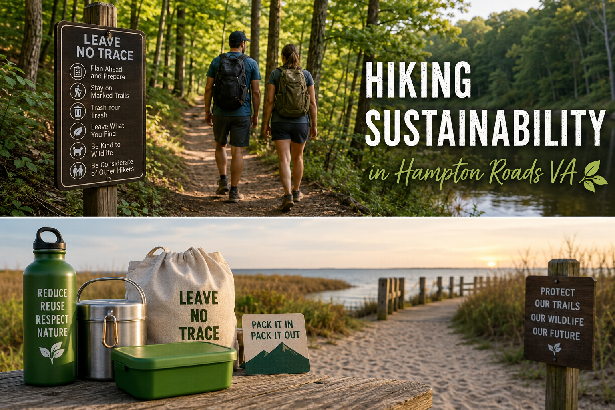
Hiking sustainability in Hampton Roads VA means enjoying beautiful trails while protecting forests, wetlands, wildlife, and local parks for future generations. Every hike gives us a chance to care for nature. Small actions like staying on marked trails, carrying reusable water bottles, packing out trash, and respecting wildlife make a huge difference.
Hampton Roads is home to beaches, marshes, forests, rivers, and nature preserves. Thousands of people visit these outdoor spaces every year. As more people explore local trails, protecting these natural places becomes even more important. That is why hiking sustainability should become a habit for every beginner and experienced hiker alike.
This guide explains how families, students, outdoor lovers, local businesses, and community groups can work together to keep Hampton Roads beautiful. You will also learn practical tips, real-life stories, expert advice, and local examples that make sustainable hiking simple and enjoyable.
Table of Contents
What Is Hiking Sustainability?
Understanding Hiking Sustainability
Hiking sustainability means exploring nature without harming it. Instead of leaving damage behind, hikers leave every trail as beautiful as they found it.
For example, a sustainable hiker:
- Carries reusable bottles.
- Picks up litter.
- Walks only on marked paths.
- Avoids disturbing animals.
- Respects plants and trees.
These simple habits protect nature while allowing everyone to enjoy outdoor adventures.
Hiking Sustainability Helps Future Generations
Children deserve the chance to enjoy healthy forests, clean rivers, and safe hiking trails.
Every responsible choice today helps protect Hampton Roads for tomorrow.
Instead of asking,
“What can nature give me?”
Ask,
“What can I do to protect nature?”
That simple change creates lifelong environmental responsibility.
Why Hiking Sustainability Matters
Nature faces many challenges today.
Some include:
- Plastic pollution
- Trail erosion
- Wildlife disturbance
- Water pollution
- Climate change
- Invasive plants
- Illegal dumping
Fortunately, hikers can help reduce these problems.
Every eco-friendly decision adds up.
One reusable bottle replaces hundreds of plastic bottles.
One person picking up trash encourages others.
One family teaching children creates future environmental leaders.
Healthy Trails Mean Healthy Communities
Parks improve physical health.
They also improve mental health.
People walk, relax, exercise, watch birds, and spend quality family time outdoors.
Cleaner parks attract more visitors.
More visitors often support local businesses.
Therefore, hiking sustainability also benefits the local economy.
Hampton Roads and Its Natural Beauty
Hampton Roads offers many beautiful outdoor destinations.
Some popular places include:
- First Landing State Park
- York River State Park
- Back Bay National Wildlife Refuge
- Great Dismal Swamp National Wildlife Refuge
- Newport News Park
- Sandy Bottom Nature Park
- False Cape State Park
Each location offers unique plants, wildlife, and ecosystems.
Protecting them requires responsible visitors.
Forests Protect Wildlife
Healthy forests provide homes for:
- Deer
- Foxes
- Owls
- Woodpeckers
- Frogs
- Butterflies
- Salamanders
When hikers stay on trails, these animals remain safe.
Wetlands Need Extra Care
Hampton Roads contains important wetlands.
Wetlands help:
- Reduce flooding
- Filter water
- Support birds
- Protect fish
- Store rainwater
Walking through wetland plants damages fragile habitats.
Therefore, always stay on boardwalks and marked paths.
Why More People Are Hiking
Hiking continues to grow every year.
People enjoy hiking because it is:
- Affordable
- Healthy
- Fun
- Family-friendly
- Stress-relieving
Many people also enjoy taking photographs.
Others enjoy birdwatching.
Some simply love quiet time in nature.
As visitor numbers increase, hiking sustainability becomes even more important.
Hiking Builds Healthy Habits
Walking outdoors improves:
- Heart health
- Muscle strength
- Balance
- Mental wellness
- Sleep quality
Fresh air also reduces stress.
Children who hike often become adults who value nature.
Benefits of Hiking Sustainability
Cleaner Parks
Responsible visitors leave parks cleaner.
Everyone enjoys beautiful surroundings.
Communities save money on cleanup.
Better Wildlife Protection
Animals need peaceful habitats.
Quiet hikers reduce stress on wildlife.
Keeping dogs on leashes also protects nesting birds.
Stronger Local Tourism
Visitors often support:
- Restaurants
- Coffee shops
- Outdoor gear stores
- Hotels
- Local guides
Healthy parks encourage tourism throughout Hampton Roads.
Cleaner Water
Streams stay healthier when hikers avoid littering.
Rain carries less pollution into rivers.
Fish and birds benefit from cleaner water.
Better Trail Quality
Marked trails last longer.
Less erosion means safer hiking for everyone.
Common Environmental Challenges
Even beautiful parks face problems.
Understanding them helps us become better hikers.
Trail Erosion
Walking off trails damages soil.
Rain washes away loose dirt.
Eventually, trails become wider and unsafe.
Litter
Plastic bottles
Snack wrappers
Fishing line
Glass
Food containers
All of these harm wildlife.
Animals sometimes mistake trash for food.
Feeding Wildlife
Many visitors feed birds and squirrels.
Although it seems kind, it creates problems.
Animals become dependent on humans.
Some stop finding natural food.
Others become aggressive.
Always let wildlife stay wild.
Noise Pollution
Loud music scares animals.
Instead, enjoy natural sounds.
Bird songs create a much better hiking experience.
Picking Flowers
Wildflowers feed insects.
Butterflies depend on native plants.
Leave flowers where they grow.
Take photographs instead.
How Responsible Hikers Make a Difference
Every visitor has power.
Small actions create big improvements.
Responsible hikers:
- Carry reusable bottles
- Bring reusable food containers
- Stay on trails
- Respect wildlife
- Avoid single-use plastics
- Follow park rules
- Pack out everything
- Report damaged trails
These habits inspire others.
Soon entire communities become more environmentally responsible.
Leave No Trace Basics
One of the easiest ways to practice hiking sustainability is by following Leave No Trace principles.
Plan Ahead
Research weather.
Know trail conditions.
Carry enough water.
Prepare emergency supplies.
Good planning prevents unnecessary damage.
Stay on Durable Surfaces
Walk on:
- Gravel
- Dirt trails
- Boardwalks
- Rock surfaces
Avoid stepping on plants.
Pack Out Everything
If you carry it in,
Carry it out.
That includes:
- Fruit peels
- Food scraps
- Tissues
- Plastic
- Paper
Nature cannot quickly remove human waste.
Respect Wildlife
Observe animals from a distance.
Never chase them.
Never feed them.
Never block their path.
Be Kind to Other Visitors
Share the trail.
Smile.
Say hello.
Keep noise low.
Everyone deserves a peaceful outdoor experience.
Choosing Sustainable Hiking Gear
Buying fewer, better products often helps the environment.
Choose equipment that lasts many years.
Reusable Water Bottles
Avoid disposable plastic bottles.
Refill reusable bottles before every hike.
This simple habit greatly reduces waste.
Durable Hiking Shoes
Quality shoes last longer.
Repair them whenever possible.
Long-lasting gear creates less landfill waste.
Eco-Friendly Backpacks
Some companies make backpacks using recycled materials.
These products reduce plastic pollution.
Reusable Food Containers
Pack lunches in reusable containers.
Avoid disposable bags whenever possible.
Solar Chargers
Many hikers now use small solar chargers.
These reduce battery waste during longer trips.
Planning an Eco-Friendly Hiking Trip
Planning helps reduce environmental impact.
Before leaving home:
- Check the weather.
- Download trail maps.
- Bring reusable supplies.
- Tell someone your route.
- Pack a first-aid kit.
- Charge devices.
- Bring enough water.
- Dress for changing weather.
Good preparation reduces emergencies.
Emergency rescues often disturb wildlife and damage trails.
Travel Together
Carpool whenever possible.
Fewer vehicles reduce fuel use.
Parking areas also stay less crowded.
Support Local Businesses
Buy snacks from local stores.
Eat at nearby restaurants.
Visit local farmers markets.
Supporting local businesses strengthens Hampton Roads communities while reducing long-distance transportation impacts.
Respect Seasonal Closures
Some trails close during bird nesting seasons.
Others close after storms.
These closures protect both wildlife and visitors.
Always follow posted signs.
Hiking Sustainability with Children
Teaching children about hiking sustainability is one of the best gifts you can give them. Young hikers quickly learn good habits when adults lead by example.
Before you start your hike:
- Explain why trails matter.
- Show children how to respect wildlife.
- Encourage them to carry their own reusable water bottles.
- Give each child a small trash bag for litter they safely collect.
These simple activities make hiking fun while building lifelong respect for nature.
Fun Learning Ideas
Children enjoy nature even more when they have a purpose. You can ask them to:
- Count different bird species.
- Spot butterflies.
- Find leaves with different shapes.
- Listen for frog calls.
- Look for animal tracks.
These activities help children observe nature instead of disturbing it.
Hiking Sustainability During Every Season
Every season brings different challenges. Therefore, hikers should adjust their habits throughout the year.
Spring
Spring brings flowers and nesting birds.
During this season:
- Stay on marked trails.
- Avoid stepping on wildflowers.
- Watch for muddy paths.
- Respect nesting areas.
Summer
Summer hikes require extra planning.
Remember to:
- Carry plenty of water.
- Wear light clothing.
- Avoid hiking during the hottest hours.
- Protect yourself from the sun.
Fall
Fall colors attract many visitors.
Additionally:
- Watch for slippery leaves.
- Respect hunting areas where allowed.
- Leave fallen leaves where they belong.
Winter
Winter hiking can still support hiking sustainability.
Dress warmly and avoid damaging frozen plants by staying on established trails.
Protecting Wildlife While Hiking Sustainability
Wildlife depends on healthy habitats.
Every responsible hiker helps protect local animals.
Keep a Safe Distance
Never chase animals for photos.
Instead, use binoculars or a camera with a zoom lens.
Animals behave naturally when people stay far away.
Keep Dogs Under Control
Dogs should remain on leashes whenever required.
Even friendly pets can frighten birds, deer, rabbits, and turtles.
Never Remove Natural Items
Leave:
- Shells
- Feathers
- Rocks
- Flowers
- Bird nests
These items belong in nature.
Reducing Your Carbon Footprint Through Hiking Sustainability
Every trip affects the environment. Fortunately, small choices reduce that impact.
Carpool with Friends
Driving together saves fuel and reduces traffic near parks.
Visit Nearby Trails
Instead of driving several hours, enjoy trails around Hampton Roads.
Shorter trips reduce emissions.
Bring Reusable Items
Choose:
- Cloth napkins
- Metal utensils
- Refillable bottles
- Reusable snack containers
These items reduce waste every time you hike.
Respecting Local Plants
Plants do much more than make trails beautiful.
They:
- Prevent soil erosion.
- Feed wildlife.
- Improve air quality.
- Support insects.
- Protect water quality.
Because of this, never pull plants from the ground.
Instead, enjoy them where they grow.
Hiking Sustainability and Water Protection
Hampton Roads includes rivers, marshes, lakes, and wetlands.
Keeping water clean protects both people and wildlife.
Stay Away from Stream Banks
Walking along fragile banks causes erosion.
Instead, use bridges and marked crossings.
Avoid Soap in Natural Water
Even biodegradable soap can harm aquatic life.
Wash dishes and hands away from streams whenever possible.
Pick Up Fishing Line
Discarded fishing line can trap birds, turtles, and fish.
If you find abandoned line and can safely remove it, dispose of it properly.
Sustainable Snacks for Hiking Sustainability
Food choices also matter.
Choose snacks with less packaging whenever possible.
Good options include:
- Apples
- Bananas
- Homemade sandwiches
- Trail mix in reusable containers
- Nuts
- Dried fruit
These choices reduce trash while providing healthy energy.
Hiking Sustainability and Local Communities
Healthy parks support healthy communities.
Visitors often spend money at:
- Local cafés
- Outdoor equipment stores
- Farmers markets
- Hotels
- Small restaurants
Therefore, protecting trails also supports local jobs.
Communities benefit when visitors return year after year.
Volunteering Supports Hiking Sustainability
Many organizations welcome volunteers.
Volunteers help by:
- Cleaning trails
- Planting native trees
- Removing invasive plants
- Repairing paths
- Building boardwalks
- Installing signs
Even a few volunteer hours each year create lasting improvements.
Why Native Plants Matter
Native plants grow naturally in Hampton Roads.
They provide food and shelter for local wildlife.
Examples include:
- Oak trees
- Sweetbay magnolia
- Eastern red cedar
- Black-eyed Susan
- Switchgrass
Native plants require less maintenance than many imported species.
As a result, they help create healthier ecosystems.
Avoiding Invasive Species
Invasive plants spread quickly.
They crowd out native vegetation.
Hikers can help stop their spread.
Before leaving a trail:
- Clean your boots.
- Remove seeds from clothing.
- Check your backpack.
- Wash bicycles after riding.
These simple actions reduce the spread of unwanted plants.
Respect Trail Signs
Trail signs exist for good reasons.
They help protect:
- Wildlife
- Sensitive habitats
- Historic areas
- Visitors
Never ignore warning signs.
Instead, follow every instruction.
Doing so supports hiking sustainability and keeps everyone safer.
Hiking Sustainability for Photography
Nature photography creates wonderful memories.
However, photographers should avoid harming the environment.
Good practices include:
- Stay on trails.
- Avoid climbing fragile rocks.
- Never move wildlife.
- Leave plants untouched.
- Use natural light whenever possible.
A great photo should never damage nature.
Camping and Hiking Sustainability
Many hikers also enjoy camping.
Responsible camping includes:
- Using established campsites.
- Keeping campfires small where permitted.
- Packing out all trash.
- Respecting quiet hours.
- Leaving campsites cleaner than you found them.
These habits protect Hampton Roads’ outdoor spaces.
Sustainable Hiking Gear Maintenance
Taking care of equipment extends its life.
Instead of replacing gear every year:
- Clean hiking boots.
- Repair backpacks.
- Replace worn laces.
- Patch small tears.
- Sharpen trekking pole tips only when needed.
Long-lasting gear reduces waste.
Supporting Conservation Organizations
Many groups protect Hampton Roads parks.
Supporting conservation can include:
- Donations
- Memberships
- Volunteer work
- Educational events
Even small contributions help improve local trails.
Hiking Sustainability During Busy Weekends
Popular trails become crowded.
To reduce pressure:
- Start early.
- Visit on weekdays.
- Explore lesser-known parks.
- Share trail space politely.
These choices improve everyone’s experience.
Helping New Hikers Learn Sustainability
Experienced hikers can mentor beginners.
Teach them how to:
- Pack reusable supplies.
- Stay on trails.
- Respect wildlife.
- Carry maps.
- Leave no trash behind.
Knowledge spreads through positive examples.
Emergency Preparedness Supports Hiking Sustainability
Preparation protects both people and nature.
Carry:
- First-aid kit
- Flashlight
- Extra water
- Map
- Whistle
- Snacks
Prepared hikers reduce the need for emergency rescues that may disturb sensitive habitats.
Building a Personal Hiking Sustainability Checklist
Before every hike, ask yourself:
✅ Did I pack reusable water bottles?
✅ Did I avoid single-use plastics?
✅ Did I check weather conditions?
✅ Will I stay on marked trails?
✅ Will I respect wildlife?
✅ Did I pack enough food?
✅ Did I bring a trash bag?
✅ Will I leave nature better than I found it?
If you answer “yes” to these questions, you are already helping protect Hampton Roads.
Hiking Sustainability and Trail Etiquette
Good trail etiquette keeps parks enjoyable for everyone. It also protects the environment.
When you meet other hikers:
- Smile and say hello.
- Move to the side if someone needs to pass.
- Keep noise low.
- Respect everyone’s outdoor experience.
Good manners help create a friendly hiking community.
Share the Trail
Many Hampton Roads trails welcome hikers, cyclists, and runners.
Always:
- Stay aware of your surroundings.
- Follow trail signs.
- Let faster users pass safely.
- Keep children close on busy paths.
Sharing the trail reduces accidents and helps everyone enjoy nature.
Hiking Sustainability for Seniors
Many older adults enjoy hiking because it supports good health.
Seniors can practice hiking sustainability by:
- Choosing easier trails.
- Bringing reusable water bottles.
- Wearing supportive shoes.
- Taking breaks when needed.
- Walking with friends.
Gentle hikes offer exercise while protecting natural spaces.
Hiking Sustainability for Beginners
Every experienced hiker started as a beginner.
If this is your first hike:
- Choose a short trail.
- Check the weather forecast.
- Wear comfortable clothing.
- Carry water.
- Stay on marked paths.
Simple preparation creates a safer and more enjoyable experience.
Hiking Sustainability for Families
Family hikes build strong memories.
They also teach children to love nature.
Parents can encourage hiking sustainability by:
- Letting children help pack reusable supplies.
- Turning litter collection into a fun challenge.
- Teaching respect for animals.
- Explaining why plants should stay untouched.
Children often remember these lessons for life.
Hiking Sustainability and Accessibility
Nature belongs to everyone.
Many Hampton Roads parks now offer:
- Accessible trails
- Boardwalks
- Viewing platforms
- Rest areas
- Accessible parking
These improvements help more people enjoy the outdoors while protecting sensitive habitats.
Climate Change and Hiking Sustainability
Climate change affects many natural areas.
Some impacts include:
- Hotter summers
- Stronger storms
- Flooding
- Coastal erosion
- Changes in wildlife habitats
Because of these changes, hiking sustainability becomes even more important.
Every eco-friendly choice helps reduce environmental pressure.
Helping Birds During Hiking Sustainability
Birds depend on healthy forests and wetlands.
Hikers can protect birds by:
- Staying away from nesting areas.
- Keeping dogs on leashes.
- Avoiding loud music.
- Using binoculars instead of approaching nests.
Birdwatching becomes more enjoyable when birds feel safe.
Hiking Sustainability and Pollinator Protection
Bees, butterflies, and other pollinators support healthy ecosystems.
Without them, many plants could not reproduce.
Help pollinators by:
- Leaving flowers untouched.
- Avoiding harmful chemicals.
- Respecting meadows.
- Supporting native plant gardens at home.
Healthy pollinators create healthier hiking trails.
Hiking Sustainability Through Citizen Science
Many hikers enjoy collecting nature observations.
Citizen science allows everyday people to help researchers.
Examples include:
- Recording bird sightings.
- Photographing butterflies.
- Reporting invasive plants.
- Tracking seasonal flower blooms.
These observations help scientists understand changing ecosystems.
Technology That Supports Hiking Sustainability
Technology can improve outdoor experiences when used wisely.
Helpful tools include:
- GPS trail maps
- Weather apps
- Offline navigation
- Wildlife identification apps
- Plant identification apps
Download maps before your trip to reduce battery use and prepare for areas with limited phone service.
Remember to spend more time enjoying nature than looking at your screen.
Real-Life Example: A Family Cleans a Local Trail
The Johnson family from Hampton Roads planned a Saturday morning hike.
Instead of bringing disposable water bottles, they packed reusable bottles and reusable lunch containers.
Each child carried a small trash bag.
During the hike, they safely collected litter they found along the trail.
By the end of the day, they had filled two bags with plastic bottles, wrappers, and cans.
Other hikers thanked them and even joined in.
Their simple actions made the trail cleaner for everyone.
This is hiking sustainability in action.
Local Success Story in Hampton Roads
Several parks across Hampton Roads have improved trail conditions through volunteer efforts.
Community groups regularly organize:
- Trail cleanup days
- Tree planting events
- Invasive plant removal
- Educational nature walks
Because volunteers work together, local parks remain healthier and more enjoyable for visitors.
These efforts show how communities can protect nature through teamwork.
Expert Advice for Hiking Sustainability
Outdoor educators often recommend starting with small, consistent habits.
Experts suggest:
- Buy fewer, better-quality hiking items.
- Repair gear before replacing it.
- Respect every trail sign.
- Leave wildlife alone.
- Carry reusable supplies every trip.
- Teach others through your actions.
The best environmental protection begins with everyday choices.
Common Mistakes to Avoid
Even experienced hikers sometimes make mistakes.
Avoid these common problems:
Leaving Food Behind
Food scraps attract wildlife.
Always pack them out.
Walking Off Trail
Shortcuts damage plants and increase erosion.
Stay on designated paths.
Playing Loud Music
Natural sounds make hiking peaceful.
Use headphones only if necessary and stay aware of your surroundings.
Feeding Animals
Wild animals should find their own food.
Human food can harm their health.
Ignoring Weather Forecasts
Unexpected storms create dangerous situations.
Always check the forecast before leaving home.
Building a Long-Term Hiking Sustainability Lifestyle
Hiking sustainability is not just something you practice once.
It becomes a lifestyle.
You can build lasting habits by:
- Hiking regularly.
- Supporting local parks.
- Volunteering each year.
- Teaching children.
- Buying durable outdoor gear.
- Recycling whenever possible.
- Sharing sustainability tips with friends.
Over time, these actions become second nature.
Quick Comparison Chart
| Sustainable Hiking Habit | Benefit | Easy to Start? |
| Carry reusable water bottles | Reduces plastic waste | Yes |
| Stay on marked trails | Prevents erosion | Yes |
| Pack out all trash | Protects wildlife | Yes |
| Respect wildlife | Keeps animals healthy | Yes |
| Carpool with friends | Lowers carbon emissions | Yes |
| Use reusable food containers | Reduces landfill waste | Yes |
| Volunteer for trail cleanups | Improves local parks | Yes |
| Support local businesses | Strengthens the local economy | Yes |
| Clean hiking boots after trips | Prevents invasive species | Yes |
| Follow Leave No Trace principles | Protects natural ecosystems | Yes |
Real-Life Case Study 1: Community Trail Cleanup in Hampton Roads
A volunteer group in Hampton Roads noticed that one of their favorite hiking trails had become covered with plastic bottles, snack wrappers, and fishing line.
Instead of waiting for someone else to fix the problem, the group organized a weekend cleanup event.
More than 70 volunteers joined.
Together they:
- Collected dozens of bags of litter.
- Removed damaged trail markers.
- Cleared blocked walking paths.
- Reported unsafe sections to park staff.
- Educated visitors about Leave No Trace.
Within weeks, the trail looked cleaner and welcomed more visitors.
Lesson Learned
When communities work together, hiking sustainability becomes much easier to achieve.
Real-Life Case Study 2: School Nature Club
An elementary school near Hampton Roads created a monthly hiking club.
Teachers taught students to:
- Carry reusable water bottles.
- Respect wildlife.
- Stay on marked trails.
- Leave flowers untouched.
- Pick up litter safely.
Parents quickly noticed that children began practicing these habits during family trips.
Many families also reduced plastic waste at home.
Lesson Learned
Teaching children early creates lifelong environmental responsibility.
Real-Life Case Study 3: Local Outdoor Business
A local outdoor equipment store started encouraging customers to repair hiking gear instead of replacing it.
The business offered:
- Boot repairs
- Backpack stitching
- Gear cleaning workshops
- Sustainability classes
Customers appreciated the service because it saved money and reduced waste.
The business also earned a strong reputation within the community.
Lesson Learned
Businesses can support hiking sustainability while growing customer trust.
Advantages of Hiking Sustainability
Practicing hiking sustainability offers many long-term benefits.
- Protects Wildlife
Healthy habitats allow animals to live naturally.
- Reduces Pollution
Reusable supplies create less trash.
- Protects Water Quality
Clean trails help keep rivers and wetlands healthy.
- Saves Money
Reusable bottles and durable gear reduce long-term costs.
- Supports Local Tourism
Beautiful parks attract more visitors.
- Encourages Healthy Lifestyles
Hiking improves both physical and mental health.
- Builds Strong Communities
Volunteer projects bring neighbors together.
- Teaches Children Responsibility
Outdoor experiences help children respect nature.
- Protects Natural Beauty
Future generations can enjoy the same amazing landscapes.
- Supports Climate Action
Small eco-friendly choices reduce environmental impact over time.
Disadvantages of Hiking Sustainability
Although the benefits greatly outweigh the challenges, there are a few disadvantages.
Initial Cost
High-quality reusable gear sometimes costs more at first.
However, it usually lasts much longer.
Learning Curve
New hikers need time to learn sustainable habits.
Fortunately, most skills become easy after a few trips.
Limited Facilities
Some remote trails have few recycling bins or water refill stations.
Therefore, hikers should prepare before leaving home.
Weather Challenges
Heavy rain or storms sometimes limit access to sustainable trails.
Always check conditions before your hike.
Expert Advice for Long-Term Hiking Sustainability
Outdoor experts recommend building simple habits that become part of every adventure.
Plan Before Every Trip
Research trail conditions.
Know the weather forecast.
Carry enough water.
Preparation prevents many problems.
Buy Quality Instead of Quantity
Choose equipment that lasts for years.
Repair items whenever possible.
Buying less often reduces waste.
Respect Every Trail
Never create shortcuts.
Stay on marked paths.
This protects plants and reduces erosion.
Leave Nature Better Than You Found It
Pick up litter when you safely can.
Encourage friends to do the same.
Positive actions inspire others.
Hiking Sustainability Checklist
Before leaving home, ask yourself:
| Question | Yes |
| Did I pack reusable water bottles? | ✅ |
| Did I bring reusable food containers? | ✅ |
| Did I check the weather? | ✅ |
| Did I pack a first-aid kit? | ✅ |
| Did I download trail maps? | ✅ |
| Will I stay on marked trails? | ✅ |
| Will I respect wildlife? | ✅ |
| Did I bring a trash bag? | ✅ |
| Will I follow Leave No Trace principles? | ✅ |
| Am I ready to help protect Hampton Roads? | ✅ |
Future of Hiking Sustainability in Hampton Roads
Many exciting improvements continue across Hampton Roads.
Communities are investing in:
- Better trail signs
- Native tree planting
- Wetland restoration
- Volunteer cleanup events
- Environmental education
- Accessible hiking paths
- Wildlife habitat restoration
As more people embrace hiking sustainability, local parks will remain beautiful for generations.
Hiking Sustainability in Hampton Roads VA Complete Practical Guide
Frequently Asked Questions (FAQs)
- What is hiking sustainability?
It means enjoying nature while protecting it for future generations.
- Why is hiking sustainability important?
It reduces pollution, protects wildlife, and keeps trails healthy.
- Can beginners practice hiking sustainability?
Yes. Simple habits make a big difference.
- Should children learn sustainable hiking?
Absolutely. Early education builds lifelong respect for nature.
- Why should hikers stay on trails?
Marked trails prevent erosion and protect plants.
- Is litter harmful to wildlife?
Yes. Animals can eat or become trapped in trash.
- Why shouldn’t people feed wildlife?
Human food changes natural animal behavior.
- Are reusable bottles better?
Yes. They reduce plastic waste significantly.
- How can I reduce my carbon footprint?
Carpool, visit nearby trails, and use reusable gear.
- Can photography support hiking sustainability?
Yes, if photographers respect wildlife and stay on trails.
- Why are wetlands important?
Wetlands reduce flooding and support many animals.
- What should I pack?
Water, snacks, first-aid supplies, maps, sunscreen, and reusable containers.
- How do volunteers help?
They clean trails, plant trees, and improve parks.
- Why should hikers avoid shortcuts?
Shortcuts damage vegetation and increase erosion.
- What is Leave No Trace?
It is a set of outdoor ethics that protect natural areas.
- Can local businesses support sustainability?
Yes. Many encourage reusable gear and environmental education.
- Does hiking help mental health?
Yes. Spending time outdoors reduces stress.
- What are native plants?
They naturally grow in the local environment and support wildlife.
- How often should hiking gear be replaced?
Only when repairs are no longer practical.
- How can everyone support hiking sustainability?
Practice responsible hiking and encourage others to do the same.
External Resources
These trusted organizations provide additional information about sustainable hiking and conservation:
- National Park Service — https://www.nps.gov
- Leave No Trace Center for Outdoor Ethics — https://lnt.org
- U.S. Fish & Wildlife Service — https://www.fws.gov
- Virginia Department of Conservation and Recreation — https://www.dcr.virginia.gov
- Chesapeake Bay Foundation — https://www.cbf.org
- Virginia State Parks — https://www.virginiastateparks.gov
- NOAA Chesapeake Bay Office — https://www.noaa.gov
Conclusion
Hiking sustainability is more than a trend. It is a simple and lasting way to protect Hampton Roads’ forests, wetlands, beaches, rivers, and wildlife while enjoying everything the region has to offer.
Every small choice matters. Bringing a reusable water bottle, staying on marked trails, packing out all trash, respecting wildlife, and supporting local conservation projects all help preserve these natural spaces. Moreover, these actions encourage others to follow the same path.
As more residents and visitors embrace hiking sustainability, Hampton Roads can continue to offer clean trails, healthy ecosystems, and memorable outdoor experiences for generations to come. Whether you hike once a year or every weekend, your actions make a real difference. By caring for nature today, you ensure that future families can experience the same beautiful landscapes, diverse wildlife, and peaceful adventures that make Hampton Roads such a special place to explore.


