Cantaloupe: The Sweet and Juicy Summer Fruit
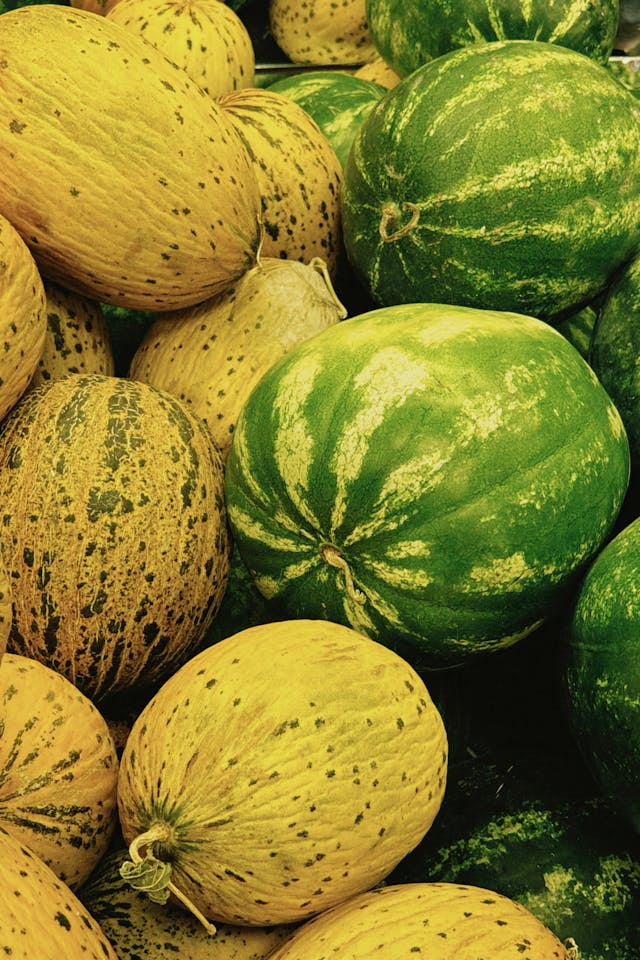
Cantaloupe is a juicy, sweet fruit that makes summer even better! Also known as muskmelon or rockmelon, this fruit is loved by kids and adults alike. Its bright orange flesh and refreshing taste make it a perfect snack, smoothie ingredient, or dessert. In this blog post, we’ll explore everything about cantaloupes, from its health benefits to fun ways to eat it. Plus, we’ll share tips on growing your own cantaloupes at home. So, let’s dive in and learn why this fruit is so special!
Table of Contents
What Is Cantaloupe?
Cantaloupe is a type of melon that belongs to the cucumber family. It has a rough, net-like skin that’s usually beige or greenish with stripes. Inside, the flesh is bright orange, soft, and super juicy. The center is filled with seeds that you scoop out before eating. Cantaloupes are grown in warm climates, and they’re super popular in the summer because they’re so refreshing.
Interestingly, cantaloupes gets its name from Cantalupo, a town in Italy where it was first grown in Europe. Today, it’s enjoyed all over the world! For example, in Australia, it’s often called rockmelon, but it’s the same delicious fruit.
Why Is Cantaloupe So Healthy?
Cantaloupe isn’t just tasty—it’s packed with nutrients that are good for your body. Let’s break down why this fruit is a healthy choice.
Cantaloupes are Full of Vitamins
First, cantaloupes are loaded with vitamins A and C. Vitamin A helps keep your eyes and skin healthy. Meanwhile, vitamin C boosts your immune system, so you’re less likely to get sick. Just one cup of cantaloupe gives you almost all the vitamin A and C you need for the day! Additionally, it has a bit of vitamin K and B vitamins, which help your body stay strong.
Hydration and Cantaloupes
Because cantaloupe is mostly water (about 90%), it’s great for staying hydrated. On hot summer days, eating cantaloupes is like drinking a glass of water with extra flavor. Plus, it has electrolytes like potassium, which help your muscles work properly.
Low in Calories, High in Flavor
If you’re watching your weight, cantaloupes are a fantastic choice. One cup has only about 50 calories, so you can eat a lot without feeling guilty. However, it’s sweet enough to satisfy your cravings for sugary snacks. For instance, instead of reaching for candy, try a bowl of cantaloupe chunks!
Antioxidants in Cantaloupe
Cantaloupe also has antioxidants, which are like tiny shields that protect your body from harm. These antioxidants, like beta-carotene, fight off bad stuff in your body that can make you sick. In fact, the bright orange color of cantaloupe comes from beta-carotene, which is super good for you.
For more details on the health benefits of cantaloupe, check out this [Healthline article](https://www.healthline.com/nutrition/cantaloupe-benefits).
How to Pick the Perfect Cantaloupe
Choosing a ripe cantaloupe is easy once you know what to look for. Here are some simple tips to make sure you get a sweet, juicy one.
Check the Skin
First, look at the cantaloupe’s skin. A ripe cantaloupe has a beige or golden color under its net-like pattern. If it’s too green, it’s not ready yet. Also, the skin should feel slightly soft when you press it gently.
Smell It
Next, give the cantaloupe a sniff. A ripe one smells sweet and fruity, especially at the stem end. If it doesn’t smell like anything, it’s probably not ripe. On the other hand, if it smells too strong or fermented, it might be overripe.
Feel the Weight
Finally, pick up the cantaloupe. It should feel heavy for its size. This means it’s full of juice and ready to eat. If it feels too light, it might be dry inside.
Fun Ways to Eat Cantaloupe
Cantaloupe is super versatile, so you can enjoy it in many ways. Here are some fun and easy ideas to try.
Cantaloupe as a Snack
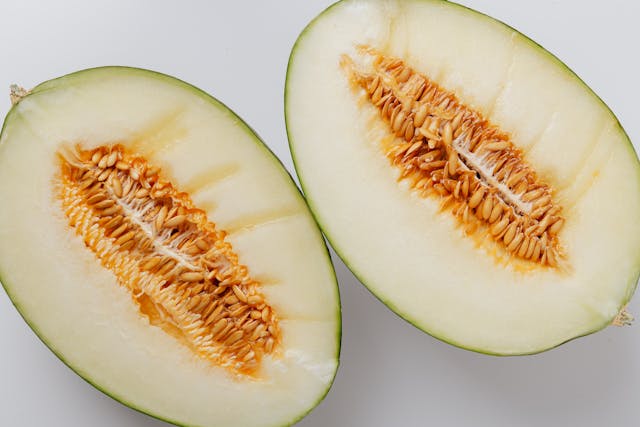
The simplest way to eat cantaloupe is to cut it into chunks or wedges. First, slice the melon in half and scoop out the seeds. Then, cut the flesh into bite-sized pieces. You can eat it plain or sprinkle a little lime juice for extra zing. For a fun twist, try making cantaloupe balls with a melon baller!
Cantaloupe Smoothies
Cantaloupe makes smoothies creamy and sweet. Blend cantaloupe chunks with yogurt, a banana, and some ice for a refreshing drink. You can also add a handful of berries for extra flavor. This is a great way to start your day or cool off in the afternoon.
Cantaloupe in Salads
Surprisingly, cantaloupe works great in salads! Mix cantaloupe chunks with cucumber, mint, and feta cheese for a fresh summer salad. Alternatively, pair it with prosciutto (a type of ham) for a fancy appetizer. The sweet and salty combo is a crowd-pleaser!
Cantaloupe Desserts
For a sweet treat, try freezing cantaloupe chunks and blending them into a sorbet. All you need is cantaloupe, a little sugar, and a splash of lemon juice. Blend it, freeze it, and enjoy a healthy dessert. You can find a great cantaloupe sorbet recipe [here](https://www.allrecipes.com/recipe/234694/cantaloupe-sorbet/).
Growing Your Own Cantaloupes
If you love cantaloupe, why not grow it at home? It’s easier than you think, and it’s so fun to watch your own melons grow!
Starting with Cantaloupes Seeds
First, you’ll need cantaloupes seeds, which you can buy at a garden store or online. Plant them in the spring when the soil is warm (at least 70°F). Choose a sunny spot in your garden because cantaloupes love heat. Plant the seeds about an inch deep and a few feet apart so they have room to grow.
Caring for Cantaloupes Plants
Cantaloupes plants need lots of water, especially when they’re growing fruit. Water them deeply once or twice a week, but don’t let the soil get soggy. Also, add some compost or fertilizer to give them extra nutrients. As the plants grow, they’ll spread out like vines, so make sure they have space.
Harvesting Cantaloupes
Your cantaloupes will be ready to pick in about 70-90 days. Look for the same signs as when you’re buying one: golden skin, sweet smell, and a slight softness. When the stem starts to separate from the fruit, it’s ready to harvest. Simply twist it off the vine and enjoy!
For more tips on growing cantaloupes, visit this [Gardening Know How guide](https://www.gardeningknowhow.com/edible/fruits/melon/growing-cantaloupes.htm).
Fun Facts About Cantaloupe
Let’s take a break from all the serious stuff and learn some cool facts about cantaloupe!
Cantaloupes Around the World: In some countries, cantaloupe is eaten with spicy foods to balance the flavors. For example, in Mexico, people sprinkle chili powder on cantaloupes for a sweet-spicy treat.
Ancient Fruit: Cantaloupes have been around for thousands of years. They were first grown in Persia (modern-day Iran) around 2400 BC!
Not Just Orange: While most cantaloupes have orange flesh, some varieties have green or white flesh. However, the orange ones are the most common.
Cantaloupes and Food Safety
Before we move on, let’s talk about keeping cantaloupes safe to eat. Because cantaloupes grows on the ground, its skin can pick up dirt or germs. Here’s how to keep it clean.
Washing Cantaloupe
Always wash the cantaloupe’s skin before cutting it. Use cool water and a brush to scrub the outside. This removes any dirt or bacteria that could get into the fruit when you cut it. After washing, dry it with a clean towel.
Storing Cantaloupe
If you’re not eating your cantaloupes right away, store it in the fridge. A whole cantaloupes can last about two weeks. Once cut, wrap the pieces tightly in plastic wrap or put them in an airtight container. Eat cut cantaloupes within a few days for the best taste.
Cantaloupe in Different Cultures
Cantaloupe is enjoyed in many countries, and each place has its own way of eating it. For example, in Italy, cantaloupes are often paired with prosciutto for a classic dish. In Japan, cantaloupes are considered a luxury fruit and are sometimes given as a gift. Meanwhile, in the United States, cantaloupes are a popular summer snack at picnics and barbecues.
In some Asian countries, cantaloupes are used in drinks like bubble tea or fruit juices. No matter where you are, cantaloupes bring a burst of sweetness to any meal!
Cantaloupe: The Sweet and Juicy Summer Fruit
FAQs About Cantaloupe
Before we wrap up, let’s answer some common questions about cantaloupes.
Q: How do I know if a cantaloupes is ripe?
A: A ripe cantaloupes has golden skin, smells sweet, and feels slightly soft when pressed.
Q: Can I freeze cantaloupes?
A: Yes! Cut it into chunks, freeze them on a tray, then store in a freezer bag. Use within a few months.
Q: Are cantaloupes good for weight loss?
A: Absolutely! Cantaloupes are low in calories and high in water, making it a filling, healthy snack.
Q: Can dogs eat cantaloupes?
A: Yes, in small amounts. Cantaloupes are safe for dogs, but remove the seeds and rind first.
Q: How long does it take to grow cantaloupes?
A: Cantaloupes take about 70-90 days to grow from seed to harvest.
Conclusion
Cantaloupe is more than just a tasty fruit—it’s a healthy, versatile, and fun addition to your diet. Whether you’re eating it fresh, blending it into a smoothie, or growing it in your garden, it brings a burst of summer flavor to any day. Plus, it’s packed with vitamins, low in calories, and easy to prepare. So, next time you’re at the store, grab a it and try some of the ideas we’ve shared. You’ll be glad you did!