Yellowstone Bison Herd Lawsuit: What’s Happening in 2025
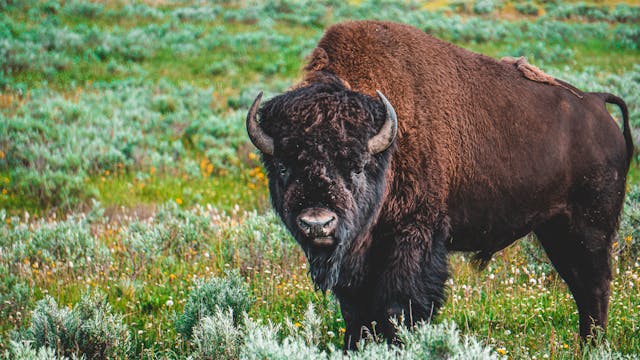
The Yellowstone bison herd lawsuit is a big topic right now, and it’s all about how we manage the iconic bison in Yellowstone National Park. Bison are huge, majestic animals that roam the park, but their growing numbers and movements are causing debates. Some people want to protect them, while others worry about problems they might cause outside the park. In this blog post, we’ll explore what the lawsuit is about, why it’s happening, and how it affects the bison, the park, and nearby communities. Let’s dive in!
Table of Contents
What Is the Yellowstone Bison Herd Lawsuit?
The Yellowstone bison herd lawsuit is a legal battle over how Yellowstone National Park manages its bison population. In July 2024, the National Park Service (NPS) released a new bison management plan, the first update in 25 years. This plan allows the bison herd to grow to between 3,500 and 6,000 animals and gives them more space to roam. It also includes a program to transfer healthy bison to Native American tribes. However, not everyone agrees with this plan.
For example, the state of Montana filed a lawsuit against the NPS, saying they weren’t included enough in the planning process. Meanwhile, conservation groups like the Greater Yellowstone Coalition and the Defenders of Wildlife have stepped in to defend the plan. They believe it’s a step forward for bison conservation. On the other hand, some ranchers worry that bison could spread a disease called brucellosis to cattle, which could hurt their businesses.
The lawsuit is being heard in Montana’s Billings Division U.S. District Court, and it’s sparking a lot of discussion about how to balance wildlife protection with human needs.
Why Is the Yellowstone Bison Herd Important?
Bison are a symbol of the American West. Once, millions of bison roamed the plains, but by the late 1800s, they were nearly wiped out due to hunting. Today, Yellowstone is home to the largest publicly managed bison herd, with about 4,800 animals. These bison are special because they’ve lived in the park since prehistoric times, and they’re genetically pure, meaning they haven’t mixed with cattle.
Moreover, bison play a big role in the ecosystem. They graze on grass, which helps keep the land healthy and supports other animals. Their presence also draws tourists, who love watching these massive creatures. However, as the herd grows, some bison wander outside the park, leading to conflicts with nearby ranchers and communities.
The Role of Bison in Native American Culture
For Native American tribes, bison are more than just animals—they’re sacred. Tribes like the Fort Peck Assiniboine and Sioux have joined the lawsuit to support the NPS plan because it includes transferring bison to tribal lands. This program, called the Bison Conservation Transfer Program, helps restore bison to Native lands, where they can be part of cultural and spiritual traditions. For instance, tribes use bison for food, clothing, and ceremonies, just as their ancestors did.
What’s the Problem with the Yellowstone Bison Herd?
The main issue in the Yellowstone bison herd lawsuit is how to manage the growing bison population. Here are the key problems:
- Bison Leaving the Park: Bison don’t stay inside Yellowstone’s boundaries. When they wander into Montana, they sometimes clash with ranchers who worry about their cattle getting sick from brucellosis. Although recent studies show that elk, not bison, are the main source of brucellosis in cattle, some ranchers still see bison as a threat.
- Hunting Concerns: The new plan allows more hunting of bison outside the park. However, some conservationists, like James Garrity from the Alliance, argue that hunting happens in a small area called a “migration bottleneck.” This makes it too easy for hunters to kill many bison at once, which they say isn’t fair or ethical.
- Herd Size: Montana wants the bison herd capped at 3,000 animals, but the NPS plan allows up to 6,000. The state says a smaller herd would reduce conflicts, while conservationists argue that a larger herd is better for the bison’s survival and the ecosystem.
- Disease Management: Brucellosis is a bacterial disease that can lower birth rates in cattle. The NPS plan tries to prevent its spread by capturing and testing bison, then either sending them to slaughter or transferring them to tribes. However, some groups think the plan doesn’t do enough to address this concern.
The Yellowstone Bison Herd Lawsuit: Who’s Involved?
Several groups are part of this lawsuit, and each has a different view on how to handle the bison.
- National Park Service (NPS): The NPS created the new bison management plan. They believe it balances bison conservation with the needs of nearby communities. For example, they’ve included the Bison Conservation Transfer Program to help tribes and reduce the herd size when needed.
- State of Montana: Montana’s government, led by Governor Greg Gianforte, says the NPS didn’t involve them enough in making the plan. They want a smaller bison herd and more control over how bison are managed outside the park.
- Conservation Groups: Groups like the Greater Yellowstone Coalition, Defenders of Wildlife, and the National Parks Conservation Association support the NPS plan. They’ve asked to join the lawsuit to defend it, saying it helps protect bison and restore them to tribal lands.
- Native American Tribes: Tribes like the Fort Peck Assiniboine and Sioux support the plan because it helps bring bison back to their lands. They see bison as a key part of their culture and history.
- Ranchers: Some ranchers near Yellowstone worry that bison could spread brucellosis to their cattle, which could hurt their livelihoods. They want stricter controls on bison movement.
Real-Life Example: The 2023 Bison Calf Incident
To understand why the Yellowstone bison herd lawsuit matters, let’s look at a real-life example. In 2023, a tourist picked up a newborn bison calf in Yellowstone, thinking it needed help. Sadly, this caused the calf’s herd to reject it, and park officials had to euthanize the calf. This incident shows how human actions can harm bison, even with good intentions. It also highlights why clear rules, like those in the NPS plan, are needed to protect the herd.
Moreover, this event sparked a lot of debate. Some people blamed the tourist for not following park rules, which say to stay 25 yards away from bison. Others felt the park needed better ways to manage bison and educate visitors. This story shows how complex the issue is—people, bison, and the environment are all connected.
Case Study: The Bison Conservation Transfer Program
One bright spot in the Yellowstone bison herd lawsuit is the Bison Conservation Transfer Program. This program moves healthy bison from Yellowstone to Native American tribes across the U.S. For example, in 2024, the Fort Peck Reservation in Montana received bison from Yellowstone. These bison are now part of a cultural herd, used for traditional practices and to teach younger generations about their heritage.
The program has been praised for helping restore bison to tribal lands, where they were once a central part of life. However, it’s not without challenges. Moving bison is expensive and requires careful planning to ensure the animals stay healthy. Plus, some ranchers worry that transferred bison could still carry brucellosis, even though they’re tested before being moved.
This case study shows how the NPS is trying to find a balance—protecting bison, supporting tribes, and addressing ranchers’ concerns. The lawsuit will decide if this program can continue as part of the new plan.
Yellowstone Bison Herd Lawsuit: What’s at Stake?
The outcome of the Yellowstone bison herd lawsuit could have a big impact. Here’s what’s at stake:
- Bison Population: If Montana wins, the herd might be limited to 3,000 animals, which could hurt the bison’s genetic diversity and long-term survival. If the NPS plan stands, the herd could grow to 6,000, supporting a healthier ecosystem.
- Tribal Communities: A win for the NPS means more bison could be transferred to tribes, helping preserve their culture. A loss could slow down or stop these transfers.
- Ranchers and Farmers: If the court sides with Montana, ranchers might feel safer from brucellosis risks. However, if the NPS plan is upheld, they might push for stronger disease controls.
- Tourism: Yellowstone’s bison draw millions of visitors each year. Changes to how the herd is managed could affect what tourists see and how they experience the park.
- Wildlife Management: This lawsuit could set an example for how other national parks manage wildlife, especially when animals move outside park boundaries.
Key Facts About the Yellowstone Bison Herd
Here’s a table summarising important details about the Yellowstone bison herd and the lawsuit:
|
Topic |
Details |
|---|---|
|
Bison Population |
Currently about 4,800; NPS plan allows 3,500–6,000. |
|
Lawsuit Filed |
May 2025 by Montana; conservation groups joined to defend NPS plan. |
|
Main Issue |
Balancing bison conservation, tribal transfers, and ranchers’ concerns. |
|
Brucellosis Risk |
Studies show elk, not bison, are the main source of brucellosis in cattle. |
|
Bison Conservation Program |
Transfers healthy bison to Native American tribes. |
|
Court Location |
U.S. District Court, Billings Division, Montana. |
Why Does the Yellowstone Bison Herd Lawsuit Matter to You?
You might be wondering, “Why should I care about this lawsuit?” Well, it’s not just about bison—it’s about how we share space with wildlife. Yellowstone is a special place where nature and people meet, and this lawsuit will decide how we protect both. For example, if you visit Yellowstone, you want to see bison roaming freely, but you also want to stay safe. The lawsuit will help decide how many bison there are and where they can go.
Additionally, this issue affects Native American communities who see bison as part of their heritage. It also impacts ranchers who rely on healthy cattle to make a living. By understanding the lawsuit, you can see how different groups work together (or sometimes disagree) to find solutions.
Yellowstone Bison Herd Lawsuit: What’s Happening in 2025
FAQs About the Yellowstone Bison Herd Lawsuit
What is the Yellowstone bison herd lawsuit about?
The lawsuit is about a new National Park Service plan to manage Yellowstone’s bison herd. Montana says they weren’t included enough, while conservationists and tribes support the plan.
Why are bison important to Yellowstone?
Bison are a key part of the ecosystem, helping keep the land healthy. They’re also a big draw for tourists and hold cultural value for Native American tribes.
What is brucellosis, and why does it matter?
Brucellosis is a disease that can affect cattle and lower their birth rates. Some worry bison could spread it, but studies point to elk as the main source.
How does the Bison Conservation Transfer Program work?
The program moves healthy bison from Yellowstone to Native American tribes for cultural and conservation purposes, like restoring bison to tribal lands.
How will the lawsuit affect visitors to Yellowstone?
The lawsuit could change how many bison are in the park and where they can roam, which might affect what visitors see during their trips.
Conclusion
The Yellowstone bison herd lawsuit is a big deal because it’s about finding a balance between protecting bison, supporting Native American tribes, and keeping ranchers happy. The National Park Service’s new plan tries to do all these things, but not everyone agrees with it. As the lawsuit plays out in court, it will shape the future of Yellowstone’s bison and how we manage wildlife in national parks.
For now, we can all help by learning more about bison and respecting their space when visiting Yellowstone. If you want to dive deeper, check out these sources:
- National Park Service: Yellowstone Bison Management
- Greater Yellowstone Coalition
- Utah Public Radio: Lawsuits Filed Against NPS
What do you think about the Yellowstone bison herd lawsuit? Share your thoughts in the comments below!