
USDA Cuts School Food Programs Funding: What It Means for Kids and Schools
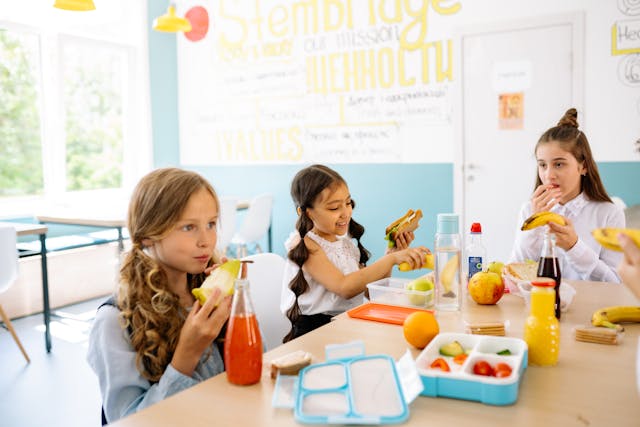
USDA cuts school food programs funding have caused a big stir across the United States. In March 2025, the U.S. Department of Agriculture (USDA) decided to cut over $1 billion from programs that help schools and food banks buy fresh food from local farmers. This decision affects kids, schools, farmers, and communities. So, what’s going on? Why were these cuts made? And how will they change things for students who rely on school meals? Let’s dive in and explore this topic in a way that’s easy to understand.
What Are USDA School Food Programs?
First, let’s talk about what these programs do. The USDA runs programs like the **Local Food for Schools Cooperative Agreement Program** and the **Local Food Purchase Assistance Cooperative Agreement Program**. These programs give money to schools and food banks to buy fresh fruits, vegetables, and other foods directly from local farmers. For example, schools in North Carolina used this money to buy carrots, cucumbers, and lettuce for their cafeterias. This helps kids eat healthy meals and supports farmers by giving them a steady place to sell their crops.
However, these programs were created during the COVID-19 pandemic to make sure kids and families had enough food when times were tough. Now, the USDA says these programs are no longer needed, so they’re cutting the funding. Specifically, they cut $660 million from the Local Food for Schools program and $420 million from the Local Food Purchase Assistance program. That’s a lot of money, and it’s making a big impact.
Table of Contents
Why Did the USDA Cut School Food Programs Funding?
So, why did this happen? In March 2025, the White House, through its Department of Government Efficiency, decided to reduce spending on these USDA programs. They said the programs were meant for the pandemic, and now that the crisis is over, it’s time to focus on “fiscally responsible” plans. In other words, they want to save money by ending these temporary programs.
Additionally, the Trump administration has been pushing to cut government spending in many areas. For instance, they also proposed cutting $290 billion from the Supplemental Nutrition Assistance Program (SNAP), which helps low-income families buy food. These cuts are part of a bigger plan to reduce federal spending, but they’re causing worry for schools and families who depend on these programs.
How USDA Cuts School Food Programs Funding Affect Kids
Now, let’s look at how these cuts hurt kids. Many students rely on school meals for breakfast and lunch. In fact, one in five kids in the U.S. faces hunger, according to Feeding America. School meals are often their main source of healthy food. Without enough funding, schools might have to serve cheaper, less nutritious meals. For example, instead of fresh carrots or apples from local farms, they might switch to canned or processed foods, which aren’t as healthy.
Moreover, some schools might struggle to provide meals at all. In places like North Carolina, school leaders like Jim Keaten, who runs the nutrition program for Durham Public Schools, are worried. He said, “Immediately, my thoughts were, what are we going to do?” Without the USDA’s money, schools might have to cut back on free or reduced-price meals, leaving some kids hungry.
The Ripple Effect on Farmers and Food Banks
Interestingly, these cuts don’t just affect kids—they also hurt farmers and food banks. Farmers who sold their crops to schools and food banks are losing a big source of income. For example, Pine Knot Farms in North Carolina supplies produce to schools and food banks. The owner, Amy Beros, said they’re losing about $2 million because of these cuts. This means farmers might have to lay off workers or stop growing certain crops.
Similarly, food banks are struggling. The Greater Boston Food Bank lost nearly $2.3 million in emergency food resources. In Las Vegas, Three Square Food Bank is asking for community donations to keep going. Without USDA funding, food banks can’t buy as much fresh food, so families might get less healthy options or smaller food packages.
What Are the Broader Impacts of USDA Cuts School Food Programs Funding?
Besides affecting kids and farmers, these cuts create bigger problems. For one, they weaken local food systems. Programs like Local Food for Schools helped schools buy directly from nearby farms, which kept money in the community and made sure fresh food was available. Now, with less money, schools and food banks might have to buy from big companies far away, which isn’t as good for local economies.
Furthermore, these cuts could make hunger worse. When kids don’t get enough food, they can’t focus in class, which hurts their learning. A report from Yahoo News said, “More hunger, less learning.” This is a big deal because hungry kids might struggle with schoolwork, fall behind, or even drop out.
Also, some states like California are worried about losing their safety net. Governor Gavin Newsom called the cuts “irrational and malicious” and said they hurt both farmers and families. In places like Stockton, California, food banks are seeing hundreds of cars line up every day for food, and these cuts make it harder to help everyone.
What Are States and Schools Doing About It?
Thankfully, some states and schools are trying to fight back. For example, California filed an appeal to bring back the funding, saying the USDA’s decision was “unlawful.” In Maine, a federal judge blocked the USDA from cutting funds for school lunches because of a disagreement over transgender athletes. This shows that some places are pushing to keep these programs alive.
Additionally, states like Texas are trying to take matters into their own hands. Texas Agriculture Commissioner Sid Miller said the state will keep running its own Farm to School and Farm to Food Bank programs, even without federal money. However, not every state has the money to do this, so some schools and food banks are turning to private donations or community fundraisers to fill the gap.
How Can Communities Help After USDA Cuts School Food Programs Funding?
So, what can people do to help? Communities can step up in a big way. For instance, food banks like the Stockton Food Bank are holding events like golf tournaments and charity runs to raise money. Individuals can donate food, money, or their time to help food banks and schools keep providing meals.
Moreover, schools can partner with local businesses or farms to find new ways to get fresh food. Some communities are starting school gardens to teach kids how to grow their own food, which can also provide fresh produce for meals. In fact, the USDA’s Patrick Leahy Farm to School grant, which was also cut, used to help schools start these gardens.
Finally, people can contact their local leaders or write to the USDA to ask for the funding to be restored. Voices from the community can make a big difference in showing how important these programs are.
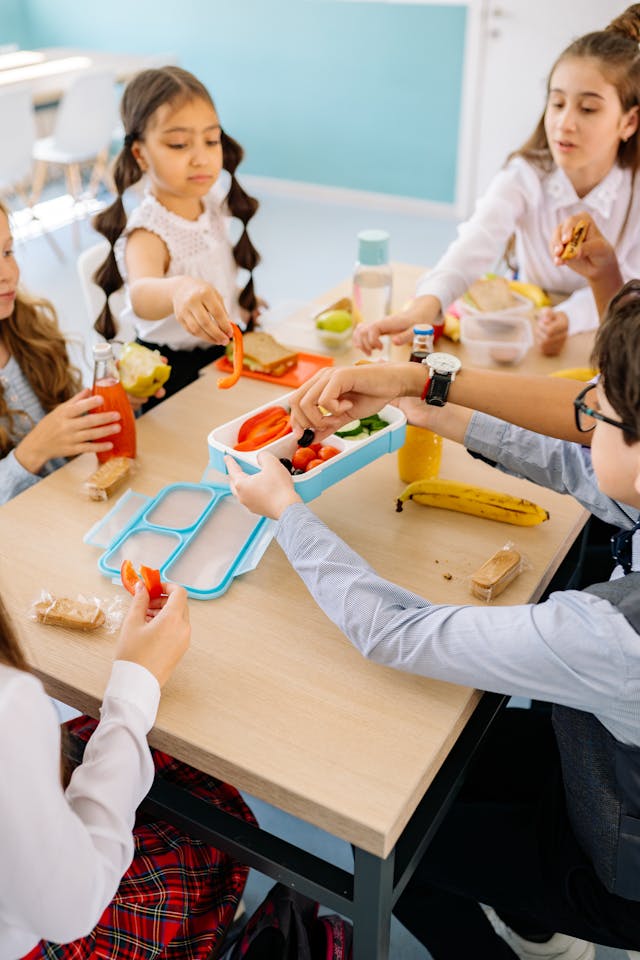
USDA Cuts School Food Programs Funding: What It Means for Kids and Schools
FAQs About USDA Cuts School Food Programs Funding
Q: Why did the USDA cut funding for school food programs?
A: The USDA cut funding because they said the programs, started during the pandemic, were no longer needed. They want to focus on saving money and other priorities.
Q: How much money was cut from these programs?
A: The USDA cut $660 million from the Local Food for Schools program and $420 million from the Local Food Purchase Assistance program, totaling over $1 billion.
Q: How do these cuts affect students?
A: Kids might get less healthy meals or no meals at all, which can make it harder for them to focus in school and stay healthy.
Q: What can communities do to help?
A: Communities can donate to food banks, volunteer, or start school gardens. They can also ask leaders to bring back the funding.
Q: Are any states fighting these cuts?
A: Yes, states like California and Maine are taking action. California filed an appeal, and Maine got a court order to block some cuts.
Conclusion
USDA cuts school food programs funding are creating challenges for kids, schools, farmers, and food banks across the country. These programs helped provide fresh, healthy food to students and supported local communities. Now, with over $1 billion cut, schools might struggle to feed kids, and farmers might lose income. However, communities are fighting back by raising money, starting gardens, and asking for the funding to be restored. By working together, we can make sure kids get the meals they need to grow, learn, and thrive.
For more information, check out these sources:
– [CBS News: Major USDA cuts cripple food banks, school food programs](https://www.cbsnews.com) [](https://www.cbsnews.com/news/usda-cuts-cripple-food-banks-school-programs-north-carolina/)
– [Yahoo News: The True Impact of School Meal Funding Cuts](https://www.yahoo.com) [](https://www.yahoo.com/news/opinion-true-impact-school-meal-163000549.html)
– [USA Today: Federal funding cuts hit food banks, farmers](https://www.usatoday.com) [](https://www.usatoday.com/story/news/nation/2025/03/31/funding-cuts-food-banks-farmers/82705776007/)


