Local Meat Market Hampton Roads: Fresh Local Meat Guide
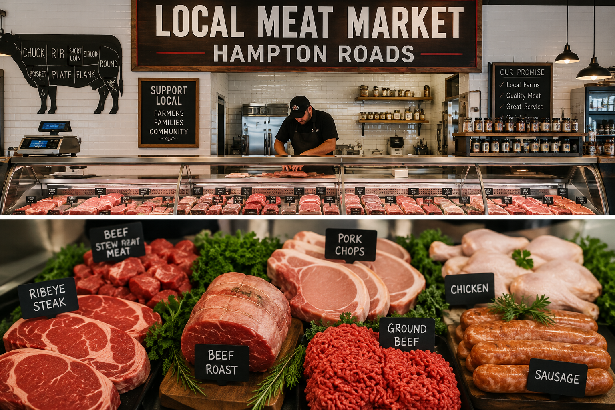
Local meat market Hampton Roads shoppers have more choices than they may realize. Across the Hampton Roads area, families can find locally sourced beef, pork, chicken, poultry, and other farm products through farmers markets, farm stands, meat shops, community markets, and direct farm sales.
Buying meat locally can also feel more personal. Instead of choosing a package from a large supermarket shelf, you may be able to learn where the meat came from, how it was raised, and how it reached the market.
However, finding the right place takes some planning. Some markets sell meat every week, while others offer meat only during certain seasons. In addition, some farms ask customers to order ahead. Therefore, shoppers should always check current hours, stock, and pickup rules before making a trip.
Hampton Roads also has a strong local-food network. The Buy Fresh Buy Local Hampton Roads guide lists area markets offering meat, poultry, eggs, seafood, produce, and other farm products. Its current guide includes markets in Norfolk, Virginia Beach, Portsmouth, Suffolk, Smithfield, and nearby communities.
This guide explains how to find quality local meat, what questions to ask, how to compare prices, how to store your purchase, and how to support local farmers while making smart food choices.
Table of Contents
Why Local Meat Shopping Is Growing in Hampton Roads
Many families want to know more about the food they buy.
For example, shoppers may want to know whether their beef came from Virginia, whether a farm raises its chickens on pasture, or whether a seller works with a nearby processor.
Local buying can answer some of those questions more easily.
Also, Hampton Roads has a mix of cities, suburbs, farms, coastal communities, and rural areas. That mix creates many ways to connect with local food producers.
As a result, you do not always need to visit a large grocery store to buy meat.
What Makes a Local Meat Market Hampton Roads Option Different?
A local meat seller usually focuses on food from nearby farms or regional producers.
However, the word local can mean different things to different sellers. Therefore, ask what “local” means before you buy.
A market may sell:
- Virginia-raised beef
- Virginia pork
- Local chicken
- Pastured poultry
- Farm eggs
- Sausage
- Bacon
- Ground beef
- Steaks
- Roasts
- Specialty cuts
- Frozen farm meat
- Seasonal meat products
Some sellers may also carry meat from outside Virginia. That does not automatically make the food poor quality. However, shoppers who want Virginia meat should ask about the farm and source.
Understanding the Hampton Roads Local Food Network
Hampton Roads includes communities such as Norfolk, Virginia Beach, Chesapeake, Suffolk, Portsmouth, Hampton, Newport News, and nearby areas.
Because the region is large, meat sellers can operate in very different ways.
For instance, one farm may sell directly from its property. Another may attend a Saturday farmers market. A third may offer online ordering with scheduled pickup.
The Buy Fresh Buy Local Hampton Roads guide is a useful starting point because it lists markets and farm-food locations around the region.
Where to Search for Local Meat
Start with farmers markets.
Many shoppers think farmers markets mainly sell vegetables. However, some Hampton Roads markets also feature meat, poultry, eggs, and other farm products.
The regional local-food guide lists markets that include meat or poultry among their offerings. For example, its listings include Old Beach Farmers Market, Portsmouth Olde Towne Farmers Market, Smithfield Farmers Market, and other locations.
Still, products can change from week to week.
Therefore, check the market’s latest information before visiting.
Local Meat Market Hampton Roads Search Tips
Searching online can save time.
Instead of searching only for “meat market,” try several phrases:
- local beef Hampton Roads
- Virginia beef near me
- farm-raised meat Hampton Roads
- local pork Virginia Beach
- local chicken Norfolk
- farm meat Chesapeake
- pasture-raised meat Suffolk
- farmers market meat Hampton Roads
- Virginia farm meat
- local butcher Hampton Roads
These searches can reveal farms and markets that do not appear when you search for a traditional butcher shop.
Visit Farmers Markets for More Than Produce
Farmers markets can be excellent places to learn about local food.
For example, the Smithfield Farmers Market listing includes pastured meats, poultry, eggs, cheese, honey, produce, and other foods. The Portsmouth Olde Towne Farmers Market listing also includes meat, poultry, seafood, eggs, and produce.
Therefore, one market trip can help you build a complete local-food shopping basket.
You could buy meat from one seller, vegetables from another, and bread from a third.
Ask the Farmer Where the Animal Was Raised
This simple question can tell you a lot.
Ask:
“Where was the animal raised?”
Then ask:
“Was it raised on your farm?”
Finally, ask:
“Where was it processed?”
These questions help you understand the supply chain.
Also, do not feel embarrassed about asking. Good sellers should expect customers to have questions about their food.
Learn the Difference Between Raised and Processed
These two terms describe different parts of the food journey.
A farmer can raise cattle on a Virginia farm. Then, the animal may go to a separate inspected processing facility.
That does not mean the meat is not local.
In fact, Virginia’s Department of Agriculture and Consumer Services oversees meat and poultry inspection services and works with the USDA to help ensure meat products made in Virginia are safe, wholesome, and correctly labeled.
So, ask both questions:
- Where was the animal raised?
- Where was the meat processed?
Local Meat Market Hampton Roads and Food Safety
Food safety should always come first.
Virginia regulates food businesses and farmers markets. VDACS explains that food establishments involved in making, processing, packing, holding, or selling food must follow Virginia food laws and regulations.
Inspectors also look for unsafe handling, poor sanitation, and incorrect labels.
Therefore, shoppers should feel comfortable asking sellers how they keep meat cold and protected.
Look for Properly Packaged Meat
Good packaging matters.
Fresh meat should come in clean, secure packaging that helps prevent leaks.
Frozen meat should remain frozen until you take it home.
Also, check labels for useful information such as:
- Product name
- Weight
- Price
- Farm or producer information
- Handling instructions
- Inspection information
- Use-by or sell-by information when provided
If something looks unusual, ask the seller before buying.
Choosing Beef at a Local Market
Beef is one of the most popular local-meat choices.
You may find:
- Ground beef
- Steaks
- Ribeye
- Sirloin
- Chuck roast
- Brisket
- Short ribs
- Stew meat
- Roasts
However, cuts can vary greatly.
If you want affordable beef for a family, ground beef and chuck roast may provide good value. On the other hand, steak works well for special meals.
Ask the seller which cuts are best for grilling, slow cooking, or everyday meals.
Choosing Local Pork
Pork can offer many useful cuts.
Look for:
- Pork chops
- Pork shoulder
- Boston butt
- Pork loin
- Bacon
- Sausage
- Ground pork
- Ribs
Pork shoulder works well for slow cooking.
Meanwhile, pork chops can make a quick family dinner.
If you see a cut you have never cooked, ask the seller how they prepare it. Farmers and market vendors often know simple ways to cook less familiar cuts.
Finding Local Chicken and Poultry
Chicken can be easier to use for everyday meals.
You may find:
- Whole chickens
- Chicken breasts
- Chicken thighs
- Drumsticks
- Wings
- Ground chicken
- Turkey
- Specialty poultry products
However, local poultry supplies can change with the season.
Therefore, call ahead if you need a specific cut for a planned meal.
Grass-Fed Does Not Mean the Same Thing as Local
This point confuses many shoppers.
“Grass-fed” describes how cattle eat.
“Local” describes where the food comes from.
Therefore, a product can be grass-fed but not local.
Likewise, local beef does not automatically mean grass-fed.
Ask the farmer what each label means.
That simple step can help you buy exactly what you want.
Pasture-Raised Meat Needs Clear Questions
The same rule applies to “pasture-raised.”
Ask what the farm means by the term.
For example, you might ask:
- How often are the animals on pasture?
- What else do they eat?
- Are they moved between fields?
- Where are the animals raised?
- Is the meat frozen?
- How long has the farm been raising animals?
You do not need a science degree to ask these questions.
Simple questions can lead to better buying decisions.
How Prices Compare With Grocery Stores
Local meat sometimes costs more than supermarket meat.
That can happen because small farms operate at a different scale.
Farmers may pay for:
- Feed
- Land
- Animal care
- Labor
- Transportation
- Processing
- Packaging
- Freezer storage
- Market fees
However, price is only one part of value.
You should also consider quality, source, convenience, freshness, and the support you provide to local producers.
Local Meat Market Hampton Roads Price Planning
Create a simple budget before shopping.
For example:
| Meat | Typical Shopping Goal | Best Use |
| Ground beef | Family meals | Burgers, tacos, chili |
| Chuck roast | Larger meal | Slow cooker |
| Chicken thighs | Budget meal | Oven or grill |
| Pork shoulder | Family gathering | Slow cooking |
| Pork chops | Quick dinner | Pan or grill |
| Steak | Special meal | Grill |
| Whole chicken | Several meals | Roast |
| Sausage | Easy meal | Breakfast or dinner |
Prices change often, so use the table as a planning guide rather than a current price list.
Buy in Bulk When It Makes Sense
Bulk buying can help some families.
For example, a farm may sell a large meat bundle.
A bundle could include several cuts and packages.
However, check your freezer space first.
You should also ask:
- How much does the package weigh?
- What cuts are included?
- Is the meat frozen?
- How long can I store it?
- Is the price based on hanging weight or packaged weight?
- When will pickup happen?
Never buy a large quantity simply because the price looks good.
Whole-Animal Buying Can Save Money
Some farms offer larger purchases such as a quarter, half, or whole animal.
This option can work well for families with enough freezer space.
However, it requires planning.
You may need to choose cuts, pay a deposit, arrange pickup, and wait for processing.
Ask for the full cost before ordering.
Also, make sure you understand whether the quoted price includes processing.
How to Use a Meat CSA
Some local farms use a CSA model.
CSA means Community Supported Agriculture.
A meat CSA may give customers a regular package of meat at scheduled times.
This model can make local buying easier because you do not have to choose every cut each time.
However, the selection may change.
Therefore, ask what a typical share includes before signing up.
Local Meat Market Hampton Roads Buying for Families
Families often need simple meat options.
Instead of buying expensive cuts for every meal, build a balanced freezer.
For example:
- Ground beef for tacos
- Chicken thighs for rice dishes
- Pork shoulder for weekend meals
- Beef roast for Sunday dinner
- Sausage for quick meals
This approach gives you variety without making every meal expensive.
Buying Meat for a Weekend Grill
Hampton Roads has plenty of opportunities for outdoor cooking.
Before a cookout, consider:
- Burgers
- Steaks
- Chicken
- Sausage
- Pork chops
- Ribs
Ask the seller which cuts work best on a grill.
Also, buy enough for your guests but avoid waste.
A local seller may help you estimate portions.
A Smart Freezer Plan
A freezer can turn local shopping into a simple routine.
For example, divide your meat into three groups:
Quick meals: chicken, ground beef, sausage.
Slow meals: roasts, pork shoulder, stew meat.
Special meals: steaks, ribs, premium cuts.
Label each package with the type and date.
That small habit can prevent forgotten food.
How to Store Fresh Meat Safely
Take meat home quickly.
If you are shopping at a farmers market, bring an insulated cooler with ice packs.
Keep raw meat separate from ready-to-eat food.
At home, refrigerate meat promptly or freeze it if you will not use it soon.
The USDA provides food-safety guidance for handling meat and poultry, so shoppers should use its recommendations when storing and cooking meat.
Use a Cooler for Farmers Market Meat
A cooler can make market shopping easier.
Place cold meat in sealed bags inside the cooler.
Then, keep the cooler closed as much as possible.
Also, plan your trip so meat does not sit in a hot vehicle for a long time.
This matters especially during warm Hampton Roads summers.
How to Find Meat at Seasonal Markets
Some markets operate only during part of the year.
For example, the Buy Fresh Buy Local Hampton Roads guide lists several markets with seasonal schedules.
Therefore, do not assume that a market operates every week all year.
Check current schedules before leaving home.
Also, seasonal markets may have different meat supplies at different times.
Local Meat Market Hampton Roads Shopping by Season
Seasonal shopping can change what you find.
Spring may bring more farmers markets back to life.
Summer can bring more outdoor markets and community events.
Fall often creates strong demand for roasts, sausage, poultry, and holiday foods.
Winter can reduce some market activity.
Therefore, build relationships with farms and sellers so you know where to shop throughout the year.
Questions to Ask a Meat Vendor
Here are ten useful questions:
- Where was the animal raised?
- Is this meat from Virginia?
- Where was it processed?
- Is it fresh or frozen?
- What feed did the animal receive?
- Is the farm inspected?
- How should I cook this cut?
- How should I store it?
- Do you sell bulk packages?
- Can I preorder?
These questions can turn a quick purchase into a useful learning experience.
Advantages of Buying Local Meat
Buying locally can provide several benefits.
Supporting Local Farmers
Your money can help small farms continue operating.
Learning About Your Food
You can ask questions directly.
Finding Special Cuts
Small sellers sometimes offer cuts you do not see often at supermarkets.
Building Community
Markets create opportunities to meet farmers and other shoppers.
Supporting Regional Food Systems
Local buying can help strengthen food connections within Virginia.
Virginia also supports local food infrastructure through programs such as the AFID Infrastructure Grant program, which can support food hubs, farmers markets, commercial kitchens, and facilities used for processing and packaging agricultural products.
Disadvantages of Local Meat Shopping
Local buying is not perfect.
You may face:
- Higher prices
- Limited selection
- Seasonal supply
- Fewer shopping hours
- Longer driving distances
- Preorder requirements
- Frozen products
- Smaller package sizes
Therefore, local meat does not have to replace every grocery-store purchase.
Instead, you can combine local and regular shopping.
Local Meat Market Hampton Roads: A Simple Cost Test
When comparing prices, do not look only at the package price.
Look at the price per pound.
For example:
A $15 package weighing 3 pounds costs $5 per pound.
A $12 package weighing 2 pounds costs $6 per pound.
The first package costs more at checkout but less per pound.
Also, compare similar cuts.
A steak and ground beef should not be compared as if they were the same product.
Case Study: A Family Weekend Shopping Plan
Consider a Hampton Roads family planning five dinners.
They could buy:
- 2 pounds of ground beef
- 3 pounds of chicken thighs
- 2 pounds of pork
- 2 pounds of beef roast
The family then plans meals around those purchases.
On Monday, they make tacos.
On Tuesday, they cook chicken.
On Wednesday, they use leftover chicken in sandwiches.
On Thursday, they cook pork.
On Sunday, they prepare the roast.
This plan reduces waste and makes local shopping easier.
Note: This is a practical example, not a claim about one named Hampton Roads family.
Case Study: A Weekend Cookout
Imagine a group of eight friends planning a Saturday cookout.
Instead of buying one large amount of one meat, they choose:
- Burgers
- Sausage
- Chicken
- A smaller number of steaks
They also buy local vegetables from the same market.
As a result, everyone gets choices while the host avoids buying too much of one expensive item.
Again, this example shows a useful shopping method rather than a documented individual case.
Case Study: A Small Farm Reaching Customers
A small Virginia farm may face a common problem: reaching enough customers.
Farmers markets can help.
The farmer can bring meat, talk with customers, explain farming methods, and collect future orders.
Meanwhile, customers can learn about the farm.
This creates a direct connection between producer and shopper.
Virginia’s local-food programs also recognize the value of infrastructure that helps small farms reach markets.
Expert Advice: Ask Simple Questions
Food safety and agriculture experts encourage consumers to pay attention to safe handling and proper food practices.
VDACS specifically explains that its inspectors monitor food establishments and farmers markets for unsafe handling, sanitation problems, and labeling issues.
Therefore, customers should not ignore safety.
Ask where meat came from.
Ask how it stayed cold.
Ask how to store it.
Then follow safe cooking instructions at home.
Expert Advice: Check Virginia Food Resources
Virginia provides several useful food and agriculture resources.
The Virginia Department of Agriculture and Consumer Services offers meat and poultry information, inspection resources, and links to USDA food-safety materials.
The agency also publishes information about Virginia retail farmers markets and market prices.
These resources can help shoppers make better decisions.
Local Meat Market Hampton Roads and Community Support
Local meat buying can do more than fill your freezer.
It can help create relationships.
For example, a customer may meet a farmer at a Saturday market and later order a holiday turkey directly.
Another shopper may discover a nearby farm that sells beef bundles.
Over time, these relationships can make local food easier to find.
How to Spot a Trustworthy Seller
Look for clear answers.
A good seller should be able to explain:
- Where the meat comes from
- What products they sell
- How the meat is packaged
- Whether it is fresh or frozen
- How customers should store it
- When orders are available
Also, pay attention to cleanliness.
If a seller avoids basic questions about food safety, consider shopping elsewhere.
Why Labels Matter
Labels help shoppers understand what they buy.
Words such as “local,” “grass-fed,” “pasture-raised,” and “organic” can have different meanings.
Therefore, read the label carefully.
If a claim seems unclear, ask the seller for an explanation.
Also, remember that a marketing phrase does not tell the entire story.
The farm, processing method, and food-safety practices matter too.
Local Meat Market Hampton Roads for Holiday Meals
Holiday meals create special demand.
Families may look for:
- Turkey
- Ham
- Beef roast
- Prime rib
- Pork roast
- Sausage
- Chicken
However, popular items can sell out.
Therefore, order early.
Ask the farm about deposit rules and pickup dates.
Also, make sure your refrigerator or freezer has enough room before placing a large order.
How to Make Local Meat More Affordable
You do not need to buy premium steaks every week.
Instead, try less expensive cuts.
Ground beef can become chili.
Chuck roast can become a slow-cooker dinner.
Chicken thighs can become soup, rice bowls, or grilled meals.
Pork shoulder can provide several meals.
This approach helps families enjoy local meat without spending too much.
Local Meat Market Hampton Roads for Meal Prep
Meal prep works well with local meat.
Cook a large amount of chicken, beef, or pork.
Then divide it into meal-sized containers.
You can use the meat for:
- Rice bowls
- Sandwiches
- Tacos
- Salads
- Pasta
- Soups
- Wraps
This method can save time during busy weekdays.
How Local Meat Can Reduce Food Waste
Planning helps reduce waste.
Before shopping, check your freezer.
Then write down what you already have.
Next, buy only what you can use.
Finally, freeze extra portions properly.
A simple inventory list can prevent you from buying three packages of chicken when you already have four at home.
Build Your Own Hampton Roads Meat Shopping List
Create a list based on your family.
For example:
Every week
- Ground meat
- Chicken
- One vegetable side
- Eggs
Every two weeks
- Pork
- Roast
- Sausage
Special occasions
- Steak
- Brisket
- Holiday poultry
Your list can change with your budget and season.
The Future of Local Meat Shopping in Hampton Roads
Local food is becoming easier to discover online.
Farmers can use websites, social media, online ordering, newsletters, and market directories to reach customers.
At the same time, consumers can learn more about farms before they visit.
Virginia’s investment in local food infrastructure also shows that farmers markets, food hubs, and agricultural processing facilities remain important parts of regional food systems.
The future may bring more online ordering, farm pickup, meat subscriptions, and local delivery.
Local Meat Market Hampton Roads: Fresh Local Meat Guide
Frequently Asked Questions
1: What is a local meat market Hampton Roads shopper can use?
A local meat market can be a butcher shop, farm store, farmers market vendor, or farm that sells meat directly. Always check where the meat comes from.
2: Where can I find local meat in Hampton Roads?
Start with farmers markets and local-food directories. The Buy Fresh Buy Local Hampton Roads guide lists regional markets that sell meat and poultry.
3: Is local meat always more expensive?
Not always. Prices vary by cut, farm, package size, and production method. Compare the price per pound before deciding.
4: Is local meat healthier?
“Local” mainly describes where food comes from. It does not automatically mean the meat has a specific nutritional profile. Ask the producer about how the animals were raised.
5: Is grass-fed meat local?
Not necessarily. Grass-fed describes feeding practices, while local describes geographic origin.
6: Should I ask where meat was processed?
Yes. Asking about both the farm and processing facility gives you a clearer picture of the product.
7: Can I buy local beef in bulk?
Some farms offer bulk packages or larger animal shares. Ask about total cost, processing fees, cuts, and pickup dates.
8: Can I buy local chicken?
Yes. Some local farms and markets offer poultry, although availability may change with the season.
9: Can farmers markets sell meat?
Yes. Some Hampton Roads markets list meat and poultry among their products. Virginia also regulates food establishments and farmers markets.
10: Should local meat be frozen?
Not always. Some sellers offer fresh meat, while others sell frozen products. Follow the seller’s storage instructions.
11: How should I transport meat from a farmers market?
Use an insulated cooler with ice packs, especially during hot weather. Get meat home quickly and refrigerate or freeze it.
12: What should I ask a farmer before buying?
Ask where the animal was raised, what it ate, where it was processed, how the meat was stored, and how you should cook it.
13: Is farm-raised the same as local?
No. “Farm-raised” describes production, while “local” describes where the food comes from.
14: Can I find local pork in Hampton Roads?
Yes. Some regional markets and farm sellers offer pork products. Availability depends on the seller and season.
15: What is the best local meat for a family?
Ground beef, chicken, pork, and roasts are flexible choices because you can use them in many meals.
16: Can I buy local meat for a barbecue?
Yes. Ask sellers about burgers, steaks, sausage, chicken, ribs, and other cuts that work well on a grill.
17: How do I know if a meat seller is trustworthy?
Look for clear product information, clean handling, proper packaging, and clear answers about the meat’s source and storage.
18: Can I order meat ahead of time?
Many farms and vendors offer preorder systems, but rules differ. Contact the seller before traveling.
19: How can I support local farmers without spending too much?
Start small. Buy one or two local products each week, choose affordable cuts, and use bulk purchases only when you have enough freezer space.
20: Where can I learn more about Virginia meat safety?
VDACS provides information about meat and poultry inspection and links to USDA food-safety resources.
Advantages and Disadvantages at a Glance
| Factor | Advantages | Disadvantages |
| Freshness | Can provide recently processed products | Some products may be frozen |
| Local support | Helps nearby farmers and businesses | Prices can sometimes be higher |
| Product knowledge | You can ask the seller questions | Not every seller has the same information |
| Selection | Unique cuts may be available | Selection can change |
| Convenience | Markets can combine many local foods | Some markets operate seasonally |
| Quality | You can learn about farming practices | Quality varies by seller |
| Community | Builds farmer-customer relationships | May require extra travel |
| Bulk buying | Can work well for families | Requires freezer space |
| Seasonal food | Encourages local eating | Favorite products may sell out |
Quick Local Meat Shopping Checklist
Before leaving home, ask yourself:
☐ Do I know what meat I need?
☐ Did I check the market’s current hours?
☐ Did I confirm the seller has meat available?
☐ Did I bring a cooler?
☐ Do I have enough refrigerator or freezer space?
☐ Did I compare prices per pound?
☐ Did I ask where the meat came from?
☐ Did I ask whether it is fresh or frozen?
☐ Did I check the package?
☐ Did I plan how I will cook it?
This checklist takes only a few minutes, but it can make shopping much easier.
External Resources for Hampton Roads Meat Shoppers
Recommended External Resources
- Buy Fresh Buy Local Hampton Roads – Local Food Guide
This is one of the most relevant resources for your article. It lists Hampton Roads-area markets, farms, and local food sellers, including places offering meat and poultry.
Buy Fresh Buy Local Hampton Roads Local Food Guide - Virginia Department of Agriculture and Consumer Services – Meat & Poultry Services
This official Virginia resource explains meat and poultry inspection, labeling, processing, and food-safety requirements.
Virginia Meat & Poultry Services - VDACS – Farmers’ Market Vendors
This page explains Virginia food-safety requirements for farmers markets and vendors. It is useful when discussing safe handling and buying meat at local markets.
Virginia Farmers’ Market Vendor Information - USDA Food Safety – Safe Internal Cooking Temperatures
This USDA resource explains recommended cooking temperatures for beef, pork, lamb, veal, ground meat, and poultry.
USDA Safe Meat and Poultry Cooking Temperatures - VDACS – Food Safety and Consumer Protection
This official resource covers Virginia food safety, consumer protection, meat and poultry regulations, and related food programs.
VDACS Food Safety & Consumer Protection - VDACS – Livestock Services
This resource explains Virginia’s livestock marketing services and provides information related to cattle, sheep, goats, and swine producers.
Virginia Livestock Services - VDACS – Guide to Selling Meat and Poultry Products in Virginia
This guide is especially useful for explaining inspection requirements and the rules that apply to meat and poultry products sold in Virginia.
Guide to Selling Meat and Poultry Products in Virginia - VDACS – Poultry and Egg Inspection and Grading
This resource explains poultry inspection, grading, labeling, sanitation, and quality standards.
Virginia Poultry & Egg Inspection and Grading
Best 4 to prioritize
For this article, I would definitely include these four:
- Buy Fresh Buy Local Hampton Roads — best local resource
- Virginia Meat & Poultry Services — best official meat resource
- VDACS Farmers’ Market Vendors — useful for market safety
- USDA Safe Cooking Temperatures — useful for meat preparation and safety
Final Thoughts
Finding good meat does not have to be difficult.
The best approach is to start small.
Visit a nearby farmers market. Talk with a seller. Ask where the meat came from. Learn whether the farm raises the animals itself. Then ask how the meat was processed, packaged, and stored.
Over time, you will discover which sellers fit your family’s needs.
A good local meat market Hampton Roads experience is not only about buying a package of beef, pork, or chicken. It is also about learning where your food comes from and building a stronger connection with the people who produce it.
Hampton Roads has a useful network of farmers markets and local-food resources. The regional Buy Fresh Buy Local guide shows that meat and poultry can be found alongside produce, seafood, eggs, baked goods, honey, and other local products.
Most importantly, shop with a plan.
Compare prices.
Ask questions.
Use a cooler.
Store meat safely.
Choose cuts that fit your budget.
And support local producers when you can.
That simple approach can turn an ordinary grocery trip into a better local-food experience for your family and your community.