Farm-to-Table Restaurants Hampton Roads Fresh Local Dining Guide
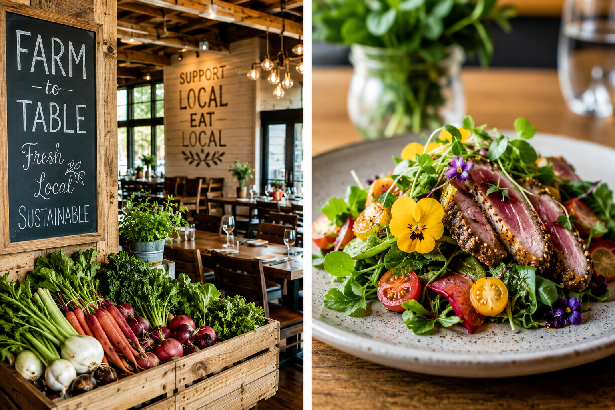
Farm-to-table restaurants Hampton Roads; if you love fresh food, local farms, and meals made with care, farm-to-table restaurants Hampton Roads should be at the top of your dining list. These restaurants work closely with nearby farmers, fishermen, bakers, and food makers. As a result, they serve meals full of flavor while supporting local families and businesses.
Moreover, eating at farm-to-table restaurants Hampton Roads means enjoying food that often travels only a short distance before reaching your plate. Therefore, ingredients stay fresher and taste better. Many restaurants also change their menus with the seasons, so every visit offers something new.
In this complete guide, you will learn what farm-to-table dining means, why it matters, where to find the best local experiences, how local farms support restaurants, and what makes Hampton Roads one of Virginia’s best places for fresh food lovers.
Table of Contents
What Are Farm-to-Table Restaurants Hampton Roads?
Farm-to-table restaurants Hampton Roads focus on serving meals made with ingredients from nearby farms and local food producers. Instead of buying food that travels across the country, these restaurants choose fresh vegetables, fruits, meats, eggs, dairy products, herbs, and seafood from nearby suppliers.
For example, a restaurant may buy tomatoes from a local Virginia farm in the morning and serve them in a fresh salad that afternoon.
Because ingredients stay fresh, meals taste brighter and healthier.
Many restaurants also tell customers where their food comes from. Consequently, diners feel more connected to local farms and food producers.
Why Local Dining Matters
Choosing farm-to-table restaurants Hampton Roads helps everyone.
For customers, meals taste fresher.
For farmers, more sales help their businesses grow.
For restaurants, better ingredients create happier guests.
Furthermore, local spending keeps money inside the Hampton Roads community.
Instead of sending money far away, restaurants buy from nearby businesses.
That creates jobs and supports families throughout the region.
The History of Farm-to-Table Dining
Although people have always eaten local food throughout history, the modern farm-to-table movement became popular during the late twentieth century.
People started asking important questions.
Where does my food come from?
How fresh is it?
Who grows it?
Because of these questions, many chefs decided to work directly with farmers.
Today, thousands of restaurants across America proudly support local agriculture.
Likewise, many restaurants across Hampton Roads have joined this movement.
Why Hampton Roads Is Perfect for Farm-to-Table Dining
Hampton Roads offers something special.
The region has:
- Rich farmland
- Fresh Atlantic seafood
- Chesapeake Bay seafood
- Local oyster farms
- Fruit orchards
- Vegetable farms
- Dairy farms
- Family-owned farms
- Local bakeries
- Farmers markets
Because these food sources sit close together, restaurants receive fresh ingredients every day.
As a result, chefs can create meals that celebrate local flavors.
Farm-to-Table Restaurants Hampton Roads and Local Farms
One reason farm-to-table restaurants Hampton Roads stand out is their close relationship with farmers.
Instead of buying everything from huge food companies, many chefs visit farms personally.
They learn:
- How vegetables grow
- Which fruits are ready
- What herbs taste best
- Which meats are available
- What seafood fishermen catch each morning
Therefore, restaurant menus stay fresh and exciting.
Customers also appreciate knowing exactly where their meals come from.
Fresh Seafood Makes Hampton Roads Unique
Hampton Roads sits beside the Chesapeake Bay and the Atlantic Ocean.
Therefore, local seafood plays an important role.
Many restaurants serve:
- Blue crab
- Oysters
- Shrimp
- Rockfish
- Flounder
- Clams
- Scallops
When chefs combine fresh seafood with vegetables from nearby farms, every meal feels special.
This combination makes farm-to-table restaurants Hampton Roads different from many inland cities.
Seasonal Menus Keep Every Visit Interesting
Unlike chain restaurants that often serve the same meals year-round, farm-to-table restaurants change their menus.
For example:
Spring
- Lettuce
- Strawberries
- Peas
- Herbs
- Asparagus
Summer
- Tomatoes
- Corn
- Watermelon
- Peaches
- Cucumbers
Fall
- Apples
- Pumpkin
- Sweet potatoes
- Squash
Winter
- Root vegetables
- Kale
- Spinach
- Brussels sprouts
Because each season offers different foods, customers always discover something new.
Better Flavor Starts on the Farm
Fresh food simply tastes better.
Vegetables harvested yesterday often taste sweeter than vegetables shipped across the country for several days.
Likewise, fresh herbs smell stronger.
Fresh seafood tastes cleaner.
Fresh fruit stays juicy.
Therefore, chefs can prepare simple recipes while still creating amazing meals.
Families Love Farm-to-Table Restaurants Hampton Roads
Many families choose farm-to-table restaurants Hampton Roads because they want healthier meals.
Children enjoy:
- Fresh fruit
- Homemade bread
- Local ice cream
- Fresh vegetables
- Natural juices
Parents appreciate knowing the ingredients are fresh and often locally grown.
As a result, family dinners become more enjoyable.
Supporting the Local Economy
Every dollar spent at farm-to-table restaurants Hampton Roads helps local businesses.
For example:
Restaurants buy vegetables from local farms.
Farmers hire workers.
Workers spend money at local stores.
Stores hire more employees.
Consequently, everyone benefits.
This cycle strengthens the Hampton Roads economy.
Helping the Environment
Local food also helps protect nature.
Food that travels shorter distances usually needs:
- Less fuel
- Less packaging
- Less storage
- Less refrigeration
Therefore, local food often creates a smaller environmental impact.
Many restaurants also recycle food waste and reduce plastic use.
Some even compost leftover vegetables.
Building Strong Community Connections
One wonderful part of farm-to-table restaurants Hampton Roads is the relationships they build.
Restaurant owners know farmers.
Farmers know chefs.
Customers meet food producers during local events.
Many restaurants even host:
- Farm dinners
- Harvest festivals
- Cooking classes
- Local tasting nights
Because of these events, people feel connected to their community.
How Chefs Create Fresh Menus Every Week
Instead of ordering frozen food months in advance, many chefs begin each week by checking what local farms have available.
For instance, if tomatoes are especially sweet, they may create several tomato dishes. Likewise, if local fishermen bring in fresh oysters, the chef may add new seafood specials.
This flexible approach helps restaurants offer meals that match the season instead of forcing the same menu every day.
As a result, customers often discover exciting new dishes whenever they visit.
Fresh Ingredients Mean Less Processing
Many grocery products contain added preservatives so they last longer during shipping. However, restaurants that buy local food often need fewer processed ingredients because fresh foods arrive quickly.
For example, fresh lettuce, herbs, berries, and vegetables can go directly from the farm to the kitchen within a day.
Consequently, meals feel lighter, fresher, and more natural.
Local Farmers Markets Inspire Restaurant Menus
Many chefs visit farmers markets before planning weekly menus.
There they find:
- Fresh herbs
- Local honey
- Homemade cheese
- Fresh eggs
- Seasonal vegetables
- Fresh flowers for decoration
These visits also help chefs meet new growers who produce high-quality ingredients.
Because of these partnerships, farm-to-table restaurants Hampton Roads continue to improve every season.
Real-Life Example: A Seasonal Summer Dinner
Imagine visiting a Hampton Roads farm-to-table restaurant on a warm summer evening.
Your meal might include:
| Course | Local Ingredients |
| Starter | Fresh tomato soup with basil |
| Salad | Mixed greens, cucumbers, and local goat cheese |
| Main Course | Grilled Chesapeake seafood with sweet corn |
| Side Dish | Roasted seasonal vegetables |
| Dessert | Fresh peach cobbler with local vanilla ice cream |
Every course highlights ingredients grown or harvested nearby, giving guests a true taste of the region.
How to Choose the Best Farm-to-Table Restaurants Hampton Roads
Not every restaurant that uses the words “farm fresh” truly follows the farm-to-table model. Therefore, you should know what signs to look for before choosing a place for dinner.
Look for Local Farm Partnerships
The best farm-to-table restaurants Hampton Roads usually list their farm partners on the menu, website, or dining room wall.
Look for phrases such as:
- “Sourced from Virginia farms”
- “Locally grown”
- “Chesapeake seafood”
- “Seasonal ingredients”
- “Harvested this week”
Because transparent restaurants proudly share their suppliers, this is often the strongest sign that the food is genuinely local.
Check the Menu for Seasonal Changes
A true farm-to-table restaurant changes dishes throughout the year.
For example, if you see strawberries in January and pumpkins in July, the restaurant may rely heavily on shipped ingredients. However, if the menu changes with spring, summer, fall, and winter harvests, that usually means the kitchen works closely with local farms.
Ask Your Server About Ingredient Sources
Good restaurants train their staff to answer questions about the food.
Ask:
- Which farm grows the lettuce?
- Are the oysters local?
- Where does the cheese come from?
- What vegetables arrived fresh this week?
Most servers at farm-to-table restaurants Hampton Roads enjoy sharing these details because local sourcing is part of the restaurant’s identity.
Read Local Reviews, Not Just Star Ratings
Online ratings help, but local reviews often tell a better story.
Look for comments that mention:
- Fresh ingredients
- Seasonal specials
- Local seafood
- Farmers market partnerships
- Homemade dishes
- Friendly staff
These details matter more than a simple five-star score.
What Makes Hampton Roads Different From Other Food Cities?
Many cities have farm-to-table restaurants, but Hampton Roads has a rare advantage: farms and seafood producers sit within a short drive of each other.
As a result, chefs can serve both freshly harvested vegetables and seafood caught the same day.
This combination creates a dining experience that few regions can match.
The Chesapeake Bay Advantage
The Chesapeake Bay supplies oysters, clams, crabs, and many fish species.
Because boats return daily, restaurants can buy seafood directly from local fishermen.
Fresh seafood often reaches the kitchen within hours of leaving the water.
Therefore, farm-to-table restaurants Hampton Roads can offer exceptional freshness that frozen seafood simply cannot match.
Why Oysters Are a Local Treasure
Virginia oysters have earned national attention for their flavor and quality.
Many Hampton Roads restaurants serve oysters harvested from nearby waters.
Chefs often pair them with:
- Local herbs
- House-made sauces
- Fresh citrus
- Seasonal vegetables
Consequently, oysters become a perfect example of the farm-to-table idea applied to the sea.
Farm-to-Table Restaurants Hampton Roads for Date Night
Fresh local food creates a wonderful atmosphere for couples.
Why It Works
- Menus feel unique.
- Dishes look beautiful.
- Ingredients spark conversation.
- Seasonal specials make the evening memorable.
Moreover, many Hampton Roads farm-to-table restaurants feature outdoor seating, waterfront views, or cozy dining rooms that make date night feel special.
Farm-to-Table Restaurants Hampton Roads for Families
Parents often worry about finding restaurants that serve both healthy food and kid-friendly meals.
Fortunately, many local restaurants offer:
- Fresh pasta
- Wood-fired pizza
- Grilled chicken
- Seasonal fruit
- Homemade desserts
Because the ingredients are fresh, even simple dishes taste better.
Farm-to-Table Restaurants Hampton Roads for Visitors
Tourists frequently ask, “What food should I try in Hampton Roads?”
The answer is simple: eat what is local right now.
Visitors should look for:
- Chesapeake oysters
- Blue crab dishes
- Virginia peaches (summer)
- Sweet corn (summer)
- Local apples (fall)
- Fresh greens (spring)
These foods give travelers a true taste of the region.
A Quick Comparison: Chain Restaurant vs. Farm-to-Table
Feature
Chain
Farm-to-table
Menu changes
Local ingredients
Supports local farms
Unique dishes
Seasonal specials
This table shows why many diners prefer farm-to-table restaurants Hampton Roads when they want something fresh and memorable.
The Best Seasons for Farm-to-Table Dining
Spring: Fresh and Green
Spring brings tender vegetables and bright flavors.
Look for:
- Asparagus
- Peas
- Radishes
- Strawberries
- Fresh herbs
These ingredients create light, colorful meals after winter.
Summer: The Peak Harvest
Summer is the easiest time to fall in love with farm-to-table restaurants Hampton Roads.
Local farms overflow with:
- Tomatoes
- Corn
- Peaches
- Watermelon
- Zucchini
- Cucumbers
Chefs often build entire menus around these ingredients.
Fall: Comfort Food Season
As temperatures cool, restaurants shift toward heartier dishes.
Popular fall ingredients include:
- Sweet potatoes
- Squash
- Apples
- Pears
- Mushrooms
- Kale
These foods work beautifully in soups, roasted dishes, and warm desserts.
Winter: Surprisingly Fresh
Many people think local food disappears in winter, but Virginia farms still produce excellent ingredients.
Winter favorites include:
- Spinach
- Kale
- Brussels sprouts
- Carrots
- Beets
- Turnips
Therefore, farm-to-table restaurants Hampton Roads can continue serving fresh dishes year-round.
Real-Life Example: A Family Celebration Dinner
A Norfolk family wanted a healthier restaurant for a birthday dinner. Instead of choosing a national chain, they visited a local farm-to-table restaurant.
The adults ordered fresh seafood with seasonal vegetables. Meanwhile, the children enjoyed wood-fired pizza topped with local tomatoes and basil.
Everyone found something they loved, and the family later returned for another celebration.
This example shows how farm-to-table dining can work for mixed-age groups, not just food enthusiasts.
Case Study: A Restaurant That Reduced Food Waste
One Hampton Roads restaurant noticed that certain vegetables spoiled before they could be used. The chef solved the problem by creating daily specials based on whatever arrived freshest from local farms.
Results
- Less food waste
- Lower ingredient costs
- More creative dishes
- Higher customer interest
Because guests enjoyed trying new specials, the restaurant turned a challenge into a strength.
Advantages of Farm-to-Table Restaurants Hampton Roads
Fresher Food
Ingredients often arrive within hours or days of harvest.
Better Flavor
Fresh produce tastes sweeter, brighter, and more natural.
Healthier Choices
Many dishes contain fewer processed ingredients.
Supports Local Families
Your meal helps nearby farmers, fishermen, and food makers.
Smaller Environmental Impact
Shorter transportation routes usually mean less fuel use.
More Interesting Menus
Seasonal cooking keeps meals exciting throughout the year.
Disadvantages You Should Know
A balanced guide should mention the downsides too.
Prices Can Be Higher
Local ingredients sometimes cost more than mass-produced food.
Favorite Dishes May Disappear
Because menus change, a dish you love might not be available every visit.
Reservations May Be Needed
Popular farm-to-table restaurants Hampton Roads can fill up quickly, especially on weekends.
Weather Affects Supply
Heavy rain, drought, or storms can reduce the availability of certain ingredients.
Even with these challenges, many diners feel the quality is worth the trade-off.
Expert Advice From Local Food Professionals
Chefs and food experts often share similar recommendations.
Order What Is in Season
Seasonal dishes usually showcase the restaurant’s freshest ingredients.
Arrive Early for Daily Specials
Popular seafood and produce specials can sell out.
Try Something Local
If you have never eaten Virginia oysters, blue crab, or local peaches, this is the place to start.
Ask About Farm Partnerships
Restaurants that openly discuss their suppliers often have stronger local connections.
How Much Should You Expect to Spend?
Farm-to-table dining comes in many price ranges.
Dining style
Typical range
Casual lunch
$10–18
Family dinner
$15–30
Seafood-focused dinner
$22–40
Special occasion tasting menu
$45–90+
These ranges vary by city, restaurant style, and seafood availability.
Common Myths About Farm-to-Table Dining
“It Is Only for Fancy Food Lovers”
False. Many Hampton Roads farm-to-table restaurants serve burgers, pizza, sandwiches, and comfort food made with local ingredients.
“It Is Always Expensive”
False. Casual farm-to-table lunches can cost about the same as many chain restaurants.
“The Portions Are Tiny”
False. Portion sizes vary by restaurant, and many local establishments serve generous meals.
“Kids Will Not Like It”
False. Fresh pasta, pizza, grilled meats, and seasonal fruit are usually very kid-friendly.
Why Repeat Customers Keep Coming Back
People rarely return just because a restaurant uses local ingredients. They return because the food tastes great.
Regular guests often mention:
- Consistent freshness
- Friendly staff
- New seasonal dishes
- Strong community feeling
- Memorable flavors
That combination creates loyalty that many large chains struggle to match.
Best Cities for Farm-to-Table Restaurants Hampton Roads
The Hampton Roads region includes several cities, and each one has its own food culture. Therefore, exploring different areas gives you a wider taste of local dining.
Norfolk
Norfolk is known for creative chefs, fresh seafood, and lively downtown restaurants. Many restaurants here work directly with nearby farms and oyster growers.
Virginia Beach
Virginia Beach combines coastal dining with fresh Virginia produce. As a result, many menus feature seafood caught the same day alongside seasonal vegetables.
Hampton
Hampton offers family-friendly restaurants that focus on fresh ingredients and welcoming service. Moreover, many businesses proudly support nearby farms.
Newport News
Newport News has a growing food scene with restaurants that celebrate Virginia-grown ingredients. Therefore, visitors can enjoy both classic comfort food and modern seasonal dishes.
Chesapeake
Because Chesapeake has access to farmland and waterways, restaurants can easily source fresh produce and seafood.
Suffolk
Suffolk is famous for its farming history. Consequently, many restaurants have strong relationships with local growers.
Portsmouth
Portsmouth blends history with modern dining. Visitors often discover charming local restaurants serving fresh seasonal meals.
Farm-to-Table Restaurants Hampton Roads for Weekend Trips
A weekend food adventure is a great way to explore Hampton Roads.
For example, you could:
Saturday Morning
- Visit a local farmers market.
- Meet local growers.
- Buy fresh fruit.
Saturday Afternoon
- Enjoy lunch at one of the farm-to-table restaurants Hampton Roads is known for.
Saturday Evening
- Watch the sunset while enjoying fresh Chesapeake seafood.
Sunday Morning
- Eat breakfast made with local eggs, fresh bread, and seasonal fruit.
This simple trip lets you experience the region’s food culture in just two days.
How Local Farmers Build Long-Term Partnerships
Successful farm-to-table dining depends on trust.
Many restaurant owners have worked with the same farmers for years.
Because they know each other well, they can:
- Plan seasonal harvests.
- Reserve specialty crops.
- Test new vegetables.
- Grow herbs specifically for restaurant menus.
- Share ideas for future dishes.
These partnerships create better food for everyone.
Why Fresh Ingredients Inspire Creative Cooking
Fresh ingredients encourage chefs to try new recipes.
For example, if a farm grows colorful heirloom tomatoes, a chef might create:
- Fresh tomato salad
- Tomato soup
- Tomato pasta
- Tomato bruschetta
- Tomato salsa
Instead of buying processed ingredients, chefs let fresh produce become the star of each meal.
Farm-to-Table Restaurants Hampton Roads and Local Seafood
Fresh seafood remains one of the biggest reasons people visit Hampton Roads.
Restaurants often feature:
- Chesapeake oysters
- Blue crab
- Rockfish
- Soft-shell crab (seasonal)
- Shrimp
- Scallops
- Clams
- Mussels
Because local fishermen deliver fresh catches regularly, chefs can prepare meals with outstanding flavor.
Why Local Produce Changes Every Season
Virginia farms grow many different crops throughout the year.
Spring Favorites
- Spinach
- Lettuce
- Strawberries
- Radishes
- Green onions
Summer Favorites
- Tomatoes
- Sweet corn
- Peaches
- Watermelon
- Zucchini
Fall Favorites
- Apples
- Pumpkins
- Sweet potatoes
- Squash
- Pears
Winter Favorites
- Kale
- Cabbage
- Carrots
- Beets
- Turnips
Because each season brings something new, farm-to-table restaurants Hampton Roads rarely feel repetitive.
Real-Life Example: A Family Dinner
Imagine a family visiting a local farm-to-table restaurant on a Friday evening.
The parents order grilled Chesapeake rockfish with roasted vegetables.
Their children enjoy homemade macaroni and cheese prepared with local dairy products and fresh fruit.
For dessert, everyone shares warm peach cobbler made from Virginia peaches.
The family leaves happy because the meal tastes fresh, the service feels personal, and they know their dinner supported local businesses.
Case Study: A Restaurant That Switched to Local Suppliers
The Challenge
A neighborhood restaurant relied mainly on national food distributors. Although the food was consistent, customers wanted fresher meals.
The Solution
The restaurant partnered with nearby vegetable farms, local seafood suppliers, and regional bakeries.
The Results
- Fresher ingredients
- More repeat customers
- Better online reviews
- Stronger community relationships
- Seasonal menu excitement
This example shows why many businesses continue moving toward the farm-to-table model.
Why Customers Return Again and Again
People rarely visit these restaurants only once.
Instead, they come back because:
- Menus change often.
- Seasonal ingredients stay exciting.
- Staff know regular customers.
- Fresh food creates memorable meals.
- Local ingredients tell a story.
As a result, customer loyalty often grows naturally.
Farm-to-Table Restaurants Hampton Roads for Special Celebrations
These restaurants are excellent choices for:
- Birthdays
- Wedding anniversaries
- Graduation dinners
- Mother’s Day
- Father’s Day
- Holiday gatherings
- Family reunions
- Retirement celebrations
Fresh seasonal food helps make every celebration feel unique.
Supporting Small Businesses
Every visit supports more than one business.
Your meal may help:
- Farmers
- Fishermen
- Cheese makers
- Bakers
- Honey producers
- Coffee roasters
- Flower growers
Therefore, eating locally creates benefits that spread throughout the community.
Sustainability in Everyday Dining
Many farm-to-table restaurants Hampton Roads work hard to protect the environment.
Common practices include:
- Composting food scraps
- Recycling bottles
- Reducing plastic waste
- Using reusable containers
- Buying seasonal ingredients
- Working with nearby suppliers
These simple choices help reduce waste while supporting responsible farming.
Hidden Local Gems
Not every excellent farm-to-table restaurant is large or famous.
Some of the best dining experiences happen in small, family-owned restaurants that:
- Change menus weekly
- Bake bread daily
- Make desserts from scratch
- Buy from neighborhood farms
- Welcome guests like family
Because these businesses focus on quality instead of size, they often earn loyal customers.
Pairing Fresh Meals with Local Drinks
Many restaurants also highlight locally produced beverages.
Popular choices include:
- Fresh lemonade
- House-made iced tea
- Local coffee
- Fresh fruit juices
- Virginia wines
- Virginia craft beer
These drinks complement fresh seasonal meals and complete the dining experience.
Saving Money While Enjoying Local Dining
Farm-to-table dining can fit many budgets.
Consider these tips:
- Visit during lunch.
- Share appetizers.
- Choose seasonal specials.
- Look for weekday discounts.
- Join restaurant loyalty programs.
- Follow restaurants on social media for promotions.
With a little planning, you can enjoy fresh local meals without overspending.
Expert Advice for First-Time Visitors
Food experts often recommend the following:
Be open to seasonal dishes
Your favorite ingredient may not be available year-round. Therefore, trying something new often leads to a pleasant surprise.
Trust the chef
Seasonal specials usually highlight the freshest ingredients available that day.
Talk with your server
Servers often know which farms supplied today’s vegetables or seafood.
Visit during different seasons
A restaurant’s spring menu may look completely different from its fall menu. Consequently, returning throughout the year gives you a richer experience.
Comparing Farm-to-Table Dining with Traditional Dining
| Feature | Farm-to-Table Dining | Traditional Dining |
| Ingredient freshness | Excellent | Good to average |
| Seasonal variety | High | Moderate |
| Local farm support | Strong | Limited |
| Menu changes | Frequent | Infrequent |
| Community impact | High | Lower |
| Sustainability | Often emphasized | Varies |
Why Hampton Roads Continues to Lead
Several factors make this region ideal for farm-to-table dining:
- Rich agricultural land
- Fresh Chesapeake Bay seafood
- Skilled local chefs
- Strong community support
- Growing interest in healthy eating
- Year-round tourism
- Active farmers markets
- Diverse local food producers
Together, these strengths help farm-to-table restaurants Hampton Roads continue to thrive.
Looking Ahead
The future of farm-to-table dining in Hampton Roads looks bright. More restaurants are building direct relationships with farmers, more consumers are asking where their food comes from, and more local producers are expanding their offerings. As these partnerships grow, diners can expect even more fresh, seasonal, and creative meals.
Common Mistakes to Avoid When Choosing Farm-to-Table Restaurants Hampton Roads
Although many restaurants advertise fresh food, not all of them truly follow the farm-to-table model. Therefore, keep these common mistakes in mind before choosing where to eat.
- Assuming every “local” menu is farm-to-table
Some restaurants use local ingredients only occasionally. Instead, look for menus that clearly mention nearby farms, seasonal produce, or local seafood.
- Visiting with the same expectations every season
Because farm-to-table restaurants Hampton Roads change their menus throughout the year, your favorite dish may not always be available. However, that is part of the experience.
- Ignoring the daily specials
Daily specials often feature the freshest ingredients that arrived that morning. Therefore, they are usually among the best choices.
- Forgetting to make reservations
Popular farm-to-table restaurants can become busy, especially on weekends and holidays. Booking ahead helps you avoid long waits.
- Skipping local desserts
Many restaurants prepare desserts with seasonal fruit from nearby farms. As a result, these desserts often become the highlight of the meal.
Future Trends for Farm-to-Table Restaurants Hampton Roads
The future looks promising for farm-to-table restaurants Hampton Roads. Several exciting trends are shaping local dining.
More direct partnerships with farms
Restaurants continue building stronger relationships with nearby growers. Consequently, diners enjoy even fresher ingredients.
More sustainable packaging
Many businesses are reducing plastic and choosing recyclable or compostable packaging.
Expanded vegetarian and vegan options
Chefs are creating more plant-based dishes using fresh seasonal vegetables, beans, grains, and herbs.
Greater menu transparency
Customers increasingly want to know where their food comes from. Therefore, many restaurants now list farms and producers directly on their menus.
Technology supporting local food
Online reservations, digital menus, and social media updates help customers discover seasonal specials quickly.
Expert Tips for the Best Dining Experience
Food professionals often recommend these simple strategies:
- Visit during different seasons to experience changing menus.
- Ask your server about the freshest dishes of the day.
- Try one new seasonal item every visit.
- Support independent local restaurants whenever possible.
- Pair your meal with a locally produced beverage if available.
- Visit nearby farmers markets to learn more about the ingredients used by local restaurants.
These habits help you enjoy the full value of farm-to-table restaurants Hampton Roads.
Chart: Seasonal Foods in Hampton Roads
| Season | Fresh Produce | Popular Seafood | Typical Menu Highlights |
| Spring | Lettuce, peas, asparagus, strawberries | Oysters, clams | Fresh salads, light seafood dishes |
| Summer | Tomatoes, corn, peaches, cucumbers | Blue crab, shrimp | Grilled seafood, seasonal vegetables |
| Fall | Apples, squash, pumpkins, sweet potatoes | Rockfish | Roasted vegetables, hearty entrees |
| Winter | Kale, carrots, cabbage, beets | Oysters, scallops | Comfort foods with local ingredients |
Farm-to-Table Restaurants Hampton Roads Fresh Local Dining Guide
Frequently Asked Questions
- What does farm-to-table mean?
It means restaurants use fresh ingredients from nearby farms, fisheries, and local food producers whenever possible.
- Why are farm-to-table restaurants popular?
People enjoy fresher food, seasonal menus, and the chance to support local businesses.
- Are farm-to-table meals healthier?
Many dishes include fresh vegetables, fruits, and minimally processed ingredients, although nutritional value depends on the recipe.
- Do menus change often?
Yes. Most farm-to-table restaurants update their menus based on seasonal availability.
- Is farm-to-table dining expensive?
Not always. Many restaurants offer affordable lunch menus and seasonal specials.
- Do these restaurants serve seafood?
Yes. Hampton Roads is especially known for fresh Chesapeake Bay seafood.
- Can families enjoy farm-to-table restaurants?
Absolutely. Many restaurants offer child-friendly meals alongside seasonal specialties.
- Do restaurants work directly with farmers?
Many do. Strong relationships with local growers are a key part of the farm-to-table approach.
- Why does seasonal food taste better?
Freshly harvested ingredients usually keep more flavor and texture than food shipped long distances.
- Can vegetarians enjoy farm-to-table dining?
Yes. Seasonal vegetables, grains, beans, cheeses, and fruits provide many delicious options.
- Are reservations recommended?
Yes, especially for popular restaurants on weekends and holidays.
- Why is local seafood important?
It reaches restaurants quickly, helping preserve freshness and flavor.
- How do these restaurants help the community?
They support farmers, fishermen, bakers, and many other local businesses.
- Do farm-to-table restaurants reduce food waste?
Many do by planning menus around seasonal ingredients and available harvests.
- Can tourists enjoy these restaurants?
Yes. They offer visitors an authentic taste of Hampton Roads.
- What should I order first?
Seasonal specials are usually an excellent place to start.
- Do restaurants mention local farms?
Many proudly list their partner farms and suppliers on menus or websites.
- Are desserts made with local ingredients?
Many restaurants use seasonal fruits, local dairy products, and regional honey in desserts.
- Why should I visit during different seasons?
Each season offers different produce, seafood, and menu selections.
- What makes farm-to-table restaurants Hampton Roads special?
Their combination of fresh local farms, Chesapeake seafood, talented chefs, and strong community partnerships creates a unique dining experience.
Final Thoughts
Choosing farm-to-table restaurants Hampton Roads is about more than enjoying a delicious meal. It is also about supporting local farmers, celebrating seasonal ingredients, and strengthening the community. Every visit helps keep local agriculture thriving while giving diners fresher flavors and memorable experiences.
Whether you are planning a family dinner, a romantic evening, a weekend trip, or simply looking for healthier dining options, farm-to-table restaurants Hampton Roads offer something for everyone. Because menus change with the seasons, every visit brings a new opportunity to discover local ingredients and creative recipes.
If you value fresh food, friendly service, and meaningful connections to the people who grow and harvest your meals, these restaurants deserve a place on your dining list.
Conclusion
The popularity of farm-to-table restaurants Hampton Roads continues to grow for good reason. Fresh ingredients, sustainable practices, talented chefs, and close partnerships with local farms create meals that stand out from ordinary dining experiences. Moreover, choosing these restaurants supports the local economy, encourages responsible farming, and helps preserve the region’s rich food traditions.
As Hampton Roads continues to develop its food culture, farm-to-table dining will remain an important part of the region’s identity. Therefore, whether you are a local resident or a first-time visitor, exploring these restaurants is one of the best ways to experience the authentic flavors of coastal Virginia.
External Resources
- Virginia Department of Agriculture and Consumer Services — https://www.vdacs.virginia.gov/
- Virginia Grown — https://www.virginiagrown.com/
- Chesapeake Bay Foundation — https://www.cbf.org/
- Virginia Farmers Market Association — https://www.vafma.org/
- USDA Local Food Directories — https://www.usdalocalfoodportal.com/
- Virginia Tourism Corporation — https://www.virginia.org/