Community Supported Agriculture Hampton Roads Fresh Local Food Guide
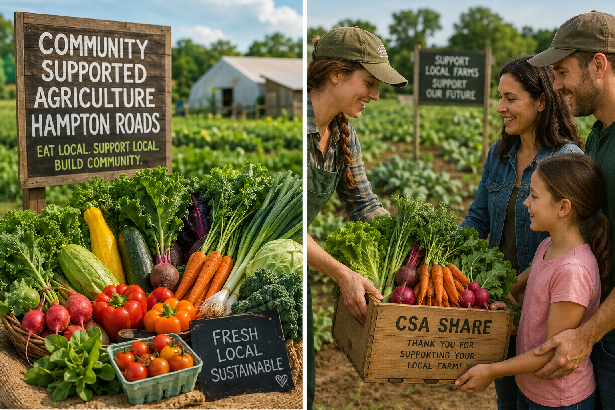
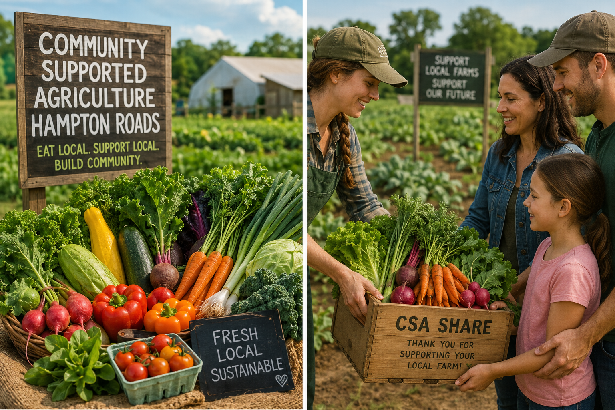
Community supported agriculture Hampton Roads is one of the best ways to enjoy fresh food while helping local farmers. Instead of buying vegetables that travel hundreds of miles, you receive fresh fruits, vegetables, herbs, eggs, flowers, or other farm products directly from nearby farms. As a result, you enjoy better taste, support local families, and strengthen your community.
Moreover, Community Supported Agriculture, often called CSA, creates a direct connection between farmers and customers. Members buy a share before or during the growing season. Then, throughout the season, they receive a box of fresh farm products every week or every other week.
In addition, many Hampton Roads families now choose CSA programs because they want healthier meals, fresher ingredients, and a stronger local economy. Children also learn where food comes from, while adults discover new vegetables and cooking ideas.
Whether you live in Virginia Beach, Norfolk, Chesapeake, Hampton, Newport News, Portsmouth, Suffolk, Williamsburg, or nearby areas, you can find excellent CSA farms that fit your family’s needs.
This complete guide explains everything you need to know. You will learn how CSA works, why it matters, how to choose the right farm, and how it benefits both your family and the Hampton Roads community.
Table of Contents
What Is Community Supported Agriculture Hampton Roads?
Community supported agriculture Hampton Roads is a partnership between local farms and local families. Instead of shopping only at grocery stores, members buy a seasonal share directly from a farm.
Then, each week, the farm provides a box filled with freshly harvested products.
These boxes often include:
- Tomatoes
- Cucumbers
- Lettuce
- Sweet corn
- Carrots
- Potatoes
- Spinach
- Peppers
- Onions
- Fresh herbs
- Strawberries
- Blueberries
- Apples
- Eggs
- Honey
- Flowers
Because farmers harvest these foods shortly before delivery, they taste fresher than many supermarket products.
Even better, your money stays in the Hampton Roads community.
Why CSA Is Growing in Hampton Roads
Many people now care more about healthy eating than ever before. Therefore, they want food that is fresh, safe, and grown nearby.
Several reasons explain why CSA memberships continue to grow.
People Want Fresher Food
Fresh vegetables usually taste sweeter and last longer.
Families Want to Support Local Farmers
Instead of sending money to large food companies, members help nearby farmers stay in business.
Communities Care About Sustainability
Local food travels shorter distances. As a result, transportation pollution becomes lower.
People Enjoy Seasonal Eating
Each season brings exciting fruits and vegetables that encourage healthy meals.
How Community Supported Agriculture Hampton Roads Works
The idea is simple.
First, members purchase a seasonal share.
Next, the farmer plants crops based on the number of members.
Then, every week during the growing season, members receive fresh produce.
Some farms allow pickup.
Others deliver directly to neighborhoods.
Many Hampton Roads farms even provide flexible options.
Typical membership choices include:
| Share Type | Best For |
| Small Share | 1–2 people |
| Medium Share | Small family |
| Large Share | Big family |
| Biweekly Share | Occasional cooks |
| Custom Share | Members choose items |
This system helps farmers plan their harvest more accurately.
A Brief History of CSA
Community Supported Agriculture began many years ago.
The modern CSA movement started in Europe and Japan during the 1960s. Farmers wanted a better way to sell fresh food without relying only on wholesalers.
Soon afterward, the idea spread across North America.
Today, thousands of farms across the United States offer CSA memberships.
Hampton Roads has also welcomed this movement because residents appreciate fresh local food.
Over time, CSA programs have expanded beyond vegetables.
Many farms now offer:
- Meat shares
- Flower shares
- Fruit shares
- Mushroom shares
- Honey shares
- Egg shares
- Cheese shares
As a result, families can build nearly an entire weekly menu from local farms.
Why Local Farms Matter
Local farms play an important role in every community.
First, they provide fresh food.
Second, they create local jobs.
Third, they protect farmland from development.
Finally, they keep money circulating inside the local economy.
Without local farms, communities become more dependent on food shipped from distant places.
Because of this, supporting farms today helps protect food supplies tomorrow.
How CSA Helps Families
Joining community supported agriculture Hampton Roads offers many advantages.
Healthier Meals
Fresh vegetables encourage families to cook at home.
Better Nutrition
Recently harvested produce usually contains excellent flavor and valuable nutrients.
Less Food Waste
Many families plan meals around their weekly box.
Fun Cooking Experiences
Each delivery introduces exciting ingredients that inspire new recipes.
Family Learning
Children discover how food grows while developing healthy eating habits.
How Farmers Benefit
CSA programs help farmers in many ways.
Better Financial Stability
Members pay before the growing season begins.
Therefore, farmers can buy seeds, equipment, and supplies more confidently.
Lower Marketing Costs
Instead of finding new customers every week, farmers serve existing members.
Stronger Community Relationships
Farmers often know members personally.
Many even host farm tours and seasonal events.
Reduced Food Waste
Farmers harvest only what members need.
This approach helps reduce leftover produce.
Fresh Food Makes a Big Difference
Many grocery store vegetables travel hundreds or even thousands of miles.
Because of that, farmers often harvest them before they fully ripen.
In contrast, CSA vegetables usually arrive shortly after harvest.
That difference creates:
- Better flavor
- Better texture
- Longer freshness
- More colorful meals
- More enjoyable cooking
Fresh tomatoes taste sweeter.
Fresh lettuce stays crisp longer.
Fresh herbs smell stronger.
Small differences add up to better meals every week.
What Comes Inside a CSA Box?
Every farm creates different boxes.
However, most Hampton Roads CSA programs include seasonal products.
A spring box might include:
- Spinach
- Kale
- Lettuce
- Radishes
- Green onions
- Herbs
A summer box could contain:
- Tomatoes
- Sweet corn
- Cucumbers
- Squash
- Zucchini
- Watermelon
- Peppers
A fall box often includes:
- Pumpkins
- Apples
- Sweet potatoes
- Carrots
- Broccoli
- Cabbage
Winter shares may include:
- Storage potatoes
- Garlic
- Onions
- Winter squash
- Honey
- Eggs
- Preserved vegetables
Every week feels like a surprise.
Seasonal Produce Throughout the Year
Eating with the seasons keeps meals exciting.
Spring
Fresh greens begin growing quickly.
Popular choices include:
- Lettuce
- Spinach
- Kale
- Radishes
- Peas
Summer
Summer brings colorful vegetables.
You may receive:
- Tomatoes
- Cucumbers
- Corn
- Green beans
- Peppers
- Melons
Fall
Autumn offers hearty vegetables.
These include:
- Pumpkins
- Sweet potatoes
- Apples
- Beets
- Cabbage
Winter
Winter shares often include stored crops and specialty products.
Examples include:
- Garlic
- Potatoes
- Honey
- Eggs
- Mushrooms
Seasonal eating also encourages variety throughout the year.
Who Should Join Community Supported Agriculture Hampton Roads?
Almost anyone can enjoy a CSA membership.
It works especially well for:
- Families with children
- Couples who cook often
- Healthy eaters
- Vegetarians
- People who enjoy trying new recipes
- Anyone who wants to support local farmers
Even beginners quickly learn how to prepare fresh seasonal foods.
First-Time CSA Tips
Joining your first CSA is exciting.
These simple tips help you enjoy the experience even more.
Start Small
Choose a smaller share if you cook only a few times each week.
Learn Seasonal Recipes
Simple recipes help you enjoy unfamiliar vegetables.
Store Produce Properly
Fresh vegetables stay crisp longer when stored correctly.
Pick Up Your Box Quickly
Fresh produce tastes best soon after harvest.
Talk With Your Farmer
Most farmers happily answer questions about cooking, storage, and growing methods.
Building that relationship makes every season more rewarding.
Real-Life Example
Sarah, a teacher from Virginia Beach, joined a local CSA because she wanted healthier meals for her family. At first, she worried about receiving vegetables she had never cooked before. However, each weekly box included recipe ideas from the farm. Within a few months, her family was eating more fresh vegetables, trying new recipes together, and spending less on produce from the grocery store. She also enjoyed meeting local farmers at pickup events, which helped her better understand where her food came from.
Different Types of Community Supported Agriculture Hampton Roads Memberships
One of the best things about community supported agriculture Hampton Roads is that every family can find a membership that fits their needs. Therefore, you do not have to choose the same type of share as everyone else.
Many farms now offer flexible plans.
Full Share
A full share gives you the largest amount of fresh food each week. It works well for large families or people who cook almost every day.
Half Share
A half share includes fewer vegetables and fruits. As a result, it is perfect for couples or smaller households.
Biweekly Share
Instead of receiving a box every week, members collect one every two weeks. This option helps reduce food waste if you do not cook often.
Vegetable Share
Most CSA farms begin with vegetable shares. These usually include fresh seasonal vegetables and herbs.
Fruit Share
Some farms also grow berries, peaches, melons, apples, and other fruits.
Flower Share
Fresh flowers brighten your home while supporting local flower growers.
Egg Share
Many farms raise chickens. Therefore, members can receive fresh eggs with their weekly produce.
Meat Share
Some CSA farms offer locally raised chicken, beef, pork, or lamb.
Honey Share
Local honey supports nearby beekeepers while giving members a natural sweetener.
The variety of choices makes community supported agriculture Hampton Roads a great option for many lifestyles.
How to Choose the Best Community Supported Agriculture Hampton Roads Program
Choosing the right CSA does not have to feel difficult.
Instead, ask yourself a few simple questions.
What Foods Does Your Family Enjoy?
Some farms grow many vegetables.
Others also include fruit, flowers, eggs, or meat.
Choose a farm that matches your eating habits.
Where Is the Pickup Location?
A nearby pickup location saves both time and fuel.
Many farms now partner with schools, churches, and community centers.
Does the Farm Offer Delivery?
Several Hampton Roads farms deliver directly to neighborhoods.
This option works well for busy families.
Can You Skip a Week?
Life becomes busy sometimes.
Many CSA farms allow vacation holds or flexible schedules.
Does the Farm Communicate Well?
Good farms send weekly emails with recipes, storage tips, and harvest updates.
Strong communication makes the experience much easier.
Organic vs. Conventional Community Supported Agriculture Hampton Roads Farms
Many people ask whether they should join an organic CSA.
The answer depends on your family’s goals.
Organic Farms
Organic farms avoid many synthetic pesticides and fertilizers.
They often focus on healthy soil and natural growing methods.
Advantages include:
- Natural farming practices
- Healthy soil
- Rich biodiversity
- Environmentally friendly methods
Possible disadvantages include:
- Higher prices
- Smaller harvests during difficult seasons
Conventional Farms
Conventional farms may use approved modern farming tools to protect crops.
Advantages include:
- Lower prices
- Larger harvests
- More consistent supply
Possible disadvantages include:
- Different growing methods
- Less focus on organic certification
Fortunately, many Hampton Roads farms use sustainable practices even if they are not officially certified organic.
Understanding Seasonal Harvests
Nature decides what grows each season.
Because of this, CSA members learn to enjoy fresh produce throughout the year.
Spring brings tender greens.
Summer fills boxes with colorful vegetables.
Autumn provides hearty root crops.
Winter offers storage vegetables and specialty products.
Eating seasonally helps families discover new recipes while reducing dependence on imported food.
Why Seasonal Eating Is Healthier
Seasonal produce often reaches your kitchen soon after harvest.
Therefore, it usually tastes fresher.
Many people notice that freshly picked vegetables have:
- Better flavor
- Better texture
- Bright colors
- Pleasant aromas
Seasonal eating also encourages families to eat a wider variety of foods.
Instead of buying the same vegetables every week, you naturally enjoy many different crops.
Community Supported Agriculture Hampton Roads Saves Money Over Time
Some people believe CSA memberships cost too much.
However, many families discover the opposite.
Buying directly from farms often provides excellent value.
Consider this simple comparison.
| Shopping Method | Average Value |
| Grocery Store Produce | Higher weekly prices |
| Farmers Market | Moderate prices |
| CSA Membership | Excellent seasonal value |
In addition, families waste less food when they plan meals around their weekly box.
As a result, grocery bills often become more predictable.
Pickup Locations Make CSA Convenient
Today’s CSA programs are more flexible than ever.
Many farms offer several pickup choices.
Popular pickup locations include:
- The farm itself
- Farmers markets
- Churches
- Schools
- Community centers
- Local businesses
Some farms even offer home delivery.
Because of these options, joining community supported agriculture Hampton Roads has become easier than ever.
Meeting Local Farmers Builds Trust
One of the biggest benefits of joining a CSA is meeting the people who grow your food.
Unlike grocery shopping, CSA members often speak directly with farmers.
These conversations help members learn:
- How vegetables grow
- When crops are harvested
- Which recipes work best
- How weather affects farming
As trust grows, families feel more connected to their food.
Community Supported Agriculture Hampton Roads Strengthens Neighborhoods
CSA programs do more than sell vegetables.
They build stronger communities.
Many farms organize:
- Farm tours
- Harvest festivals
- Children’s activities
- Volunteer days
- Cooking demonstrations
- Educational workshops
These events help neighbors meet while learning about local agriculture.
Children especially enjoy seeing animals, tractors, and growing crops.
Environmental Benefits of Local Farming
Fresh local food also helps the environment.
Because food travels shorter distances, transportation requires less fuel.
That means fewer emissions.
Additionally, many local farms protect wildlife habitats.
Healthy farms often support:
- Bees
- Butterflies
- Birds
- Pollinators
- Healthy soil
These natural systems help farms remain productive for future generations.
Community Supported Agriculture Hampton Roads Supports the Local Economy
Every dollar spent locally helps nearby businesses.
When families join a CSA:
- Farmers buy local supplies.
- Workers earn local wages.
- Equipment companies gain customers.
- Local markets grow stronger.
This cycle benefits everyone.
Instead of sending money far away, communities invest in themselves.
Common Myths About CSA
Many people hesitate because they hear incorrect information.
Let’s clear up some common myths.
Myth 1: CSA Is Only for Farmers
False.
Anyone can join.
Myth 2: You Must Be an Expert Cook
Not true.
Most farms provide simple recipes.
Myth 3: CSA Costs Too Much
Many families actually save money during the growing season.
Myth 4: Boxes Always Contain Strange Vegetables
Most boxes include familiar favorites like tomatoes, lettuce, cucumbers, carrots, and peppers.
Sometimes you receive new vegetables, but that makes cooking more fun.
Myth 5: Membership Is Complicated
Joining usually takes only a few minutes online.
Real-Life Example: A Norfolk Family’s Experience
The Johnson family from Norfolk joined a local CSA after trying to eat healthier. At first, they worried that their children would not enjoy fresh vegetables. However, the weekly produce boxes encouraged everyone to cook together.
Each Friday became “family cooking night.” The children washed vegetables while their parents prepared simple recipes. Within one season, the family noticed they were eating more greens, spending less on packaged foods, and wasting fewer groceries. They also visited the farm during an open house, giving the children a chance to see where their food was grown. The experience strengthened both their eating habits and their connection to the local community.
Expert Advice for New CSA Members
Experts recommend starting with realistic expectations.
Here are a few practical tips:
- Begin with a small share if you are new to CSA.
- Plan your weekly meals after you receive your box.
- Store leafy greens in the refrigerator as soon as possible.
- Freeze extra vegetables if you cannot use them right away.
- Try one new recipe each week to make the experience enjoyable.
- Ask your farmer questions about unfamiliar produce.
- Involve children in meal preparation to encourage healthy eating habits.
Following these simple habits can help you get the most value from your CSA membership.
Popular Crops Grown Through Community Supported Agriculture Hampton Roads
One reason families enjoy community supported agriculture Hampton Roads is the wide variety of crops grown by local farms. Because the Hampton Roads area has a long growing season, farmers can produce many fresh foods throughout the year.
During spring, farms harvest tender greens and early vegetables. Then, summer brings colorful produce that fills CSA boxes with fresh flavors. Finally, fall offers hearty vegetables and sweet fruits that are perfect for family meals.
Some of the most common crops include:
- Tomatoes
- Cucumbers
- Sweet corn
- Green beans
- Potatoes
- Carrots
- Lettuce
- Spinach
- Kale
- Peppers
- Zucchini
- Yellow squash
- Onions
- Garlic
- Pumpkins
- Watermelons
- Strawberries
- Blueberries
- Apples
- Herbs
Many farms also grow specialty vegetables that introduce members to exciting new recipes.
Monthly Harvest Calendar for Hampton Roads
Knowing what grows each month helps families plan meals and understand seasonal farming.
| Month | Common Harvests |
| March | Spinach, lettuce, radishes |
| April | Kale, peas, herbs |
| May | Strawberries, onions, greens |
| June | Cucumbers, squash, blueberries |
| July | Tomatoes, corn, peppers |
| August | Watermelon, beans, melons |
| September | Apples, pumpkins, potatoes |
| October | Sweet potatoes, broccoli, cabbage |
| November | Carrots, garlic, winter squash |
| December | Stored onions, potatoes, honey |
Because every season brings different produce, CSA members naturally enjoy a more varied diet.
Community Supported Agriculture Hampton Roads vs. Grocery Stores
Many people wonder whether joining a CSA is better than shopping at the supermarket.
Both choices have benefits, but they are very different.
Grocery Stores
Advantages:
- Open every day
- Large product selection
- One-stop shopping
Disadvantages:
- Produce may travel long distances.
- Freshness varies.
- Farmers receive only a small share of the retail price.
Community Supported Agriculture Hampton Roads
Advantages:
- Freshly harvested produce
- Direct support for local farmers
- Seasonal eating
- Better connection with food
Disadvantages:
- Weekly boxes contain seasonal items only.
- Members have less choice week to week.
Many families use both options together. They buy fresh produce from their CSA while purchasing pantry staples from grocery stores.
Community Supported Agriculture Hampton Roads vs. Farmers Markets
CSA programs and farmers markets both support local agriculture. However, they work differently.
| Feature | CSA | Farmers Market |
| Weekly Share | Yes | No |
| Seasonal Commitment | Yes | Optional |
| Meet Farmers | Yes | Yes |
| Guaranteed Produce | Yes | Depends on availability |
| Budget Planning | Easy | Varies weekly |
A CSA provides consistency, while farmers markets offer flexibility. Therefore, many people enjoy using both throughout the growing season.
Why Fresh Produce Tastes Better
Fresh vegetables often reach your kitchen within a day or two of harvest. As a result, they keep more of their natural flavor and crisp texture.
Think about biting into a tomato picked that morning. It is usually juicy, sweet, and full of flavor. By comparison, a tomato shipped across the country may have been harvested before it fully ripened.
Fresh food also encourages healthier eating because it looks and tastes more appealing.
Community Supported Agriculture Hampton Roads Helps Reduce Food Waste
Food waste is a growing concern across the country. Fortunately, CSA programs help reduce waste in several ways.
Farmers grow crops based on membership numbers. Therefore, they harvest what members need instead of producing excessive amounts.
Families also plan meals around their weekly boxes, which helps them use more of the food they receive.
Here are simple ways to reduce waste:
- Store vegetables correctly.
- Freeze extra produce.
- Make soup with leftover vegetables.
- Blend ripe fruit into smoothies.
- Share extra food with neighbors.
- Compost vegetable scraps.
Small habits can make a big difference.
Local Schools Support Fresh Farming
Many schools in Hampton Roads now encourage children to learn about local food.
Some schools:
- Invite farmers to speak with students.
- Build school gardens.
- Organize farm field trips.
- Serve fresh local produce in cafeterias.
- Teach healthy cooking skills.
When children understand where food comes from, they often become more willing to eat fresh vegetables.
Businesses Also Benefit from CSA Partnerships
Some employers partner with local farms to offer CSA memberships as an employee wellness benefit.
This approach can:
- Encourage healthier eating.
- Improve employee satisfaction.
- Support local agriculture.
- Build stronger workplace communities.
Employees often pick up their CSA boxes directly at work, making healthy eating more convenient.
Community Supported Agriculture Hampton Roads Creates Stronger Communities
CSA programs bring people together in meaningful ways.
Members often meet one another during pickup days, farm tours, or harvest celebrations. These events create friendships that extend beyond farming.
Many farms host:
- Family picnics
- Pumpkin festivals
- Strawberry picking days
- Volunteer events
- Children’s activities
- Farm dinners
These experiences remind people that food is more than something we buy. It is something that connects communities.
Case Study: A Hampton Roads Farm Builds Community
A small family farm in Hampton Roads started with fewer than 40 CSA members. During the first season, the farmers focused on growing high-quality vegetables and communicating with members through weekly newsletters.
They also invited families to visit the farm each month.
As members shared their positive experiences with friends and neighbors, the program grew steadily. Within a few years, membership more than doubled.
The farm expanded its offerings to include eggs, flowers, and local honey. At the same time, nearby businesses began supporting the farm by hosting pickup locations.
This growth showed how strong relationships can help both farms and communities thrive.
Advantages of Community Supported Agriculture Hampton Roads
Joining a CSA offers many long-term benefits.
Fresh Food
Produce arrives soon after harvest.
Better Nutrition
Fresh vegetables encourage healthier meals.
Supports Local Farmers
Your membership helps family farms remain successful.
Seasonal Variety
Every season introduces new fruits and vegetables.
Community Connections
Members meet farmers and neighbors.
Environmental Benefits
Shorter transportation routes reduce fuel use.
Educational Opportunities
Families learn how food grows.
Predictable Food Budget
Many households appreciate paying once for an entire season.
Disadvantages of Community Supported Agriculture Hampton Roads
Although CSA programs offer many advantages, they may not suit every household.
Seasonal Availability
You only receive what grows naturally during that season.
Less Choice
Members cannot always choose every item.
Weekly Commitment
Boxes should be picked up on time.
Learning New Recipes
Some vegetables may be unfamiliar at first.
Fortunately, most members quickly discover that these small challenges become enjoyable learning experiences.
Expert Advice for Making the Most of Your CSA
Experienced farmers recommend a few simple habits that can improve your experience.
- Wash produce only before using it.
- Store leafy greens in breathable bags.
- Plan meals for the week as soon as your box arrives.
- Freeze vegetables you cannot eat immediately.
- Keep herbs in water like fresh flowers.
- Try one new recipe each week.
- Ask your farmer for cooking ideas.
These habits help families enjoy every item in their weekly share.
Real-Life Example: Saving Money with a CSA
Emily and David, a couple from Chesapeake, wanted to reduce their grocery expenses while eating healthier. They joined a community supported agriculture Hampton Roads program with a half-share membership.
At first, they worried about receiving too many vegetables. However, they began planning meals around each weekly box and freezing extra produce for later use. Over the growing season, they found themselves buying fewer packaged foods and making more home-cooked meals. By the end of the season, they estimated they had reduced their produce spending while enjoying fresher ingredients and less food waste. They also discovered several new vegetables that became family favorites.
How to Get the Most Value from Community Supported Agriculture Hampton Roads
Joining community supported agriculture Hampton Roads is only the first step. To enjoy the greatest value, it helps to create a simple weekly routine.
When you bring your CSA box home, unpack it right away. Next, sort the vegetables and fruit into groups. Then, store each item in the best place. Finally, plan your meals before the week gets busy.
This simple habit helps you use everything before it spoils.
Many experienced members also keep a notebook or phone list of favorite recipes. As a result, meal planning becomes easier every week.
Plan Weekly Meals Around Your CSA Box
Meal planning saves time, money, and food.
After receiving your weekly share, decide what to cook first.
For example:
| Day | Meal Idea |
| Monday | Fresh garden salad |
| Tuesday | Vegetable stir-fry |
| Wednesday | Pasta with roasted vegetables |
| Thursday | Homemade vegetable soup |
| Friday | Grilled corn and fresh tomatoes |
| Saturday | Stuffed peppers |
| Sunday | Roasted seasonal vegetables |
Because your menu matches your produce, you waste less food.
Store Fresh Produce the Right Way
Fresh produce lasts longer when stored correctly.
Here are a few simple tips.
Leafy Greens
Place lettuce and spinach in the refrigerator inside a container with a dry paper towel.
Tomatoes
Keep tomatoes on the kitchen counter until they ripen.
Potatoes
Store potatoes in a cool, dark place.
Herbs
Place herbs in a glass of water just like flowers.
Carrots
Keep carrots in the refrigerator to maintain their crisp texture.
Proper storage helps every CSA box last longer.
Try One New Recipe Every Week
One exciting part of community supported agriculture Hampton Roads is discovering vegetables you may not usually buy.
Instead of feeling unsure, treat each new vegetable as an adventure.
For example, if your box includes kale, you could make:
- Kale salad
- Kale soup
- Fruit smoothie
- Pasta with kale
- Vegetable chips
Trying one new recipe every week keeps meals interesting.
Preserve Extra Produce for Later
Sometimes your CSA box contains more vegetables than your family can eat.
Fortunately, you have several easy options.
You can:
- Freeze vegetables.
- Make tomato sauce.
- Prepare homemade salsa.
- Pickle cucumbers.
- Dry fresh herbs.
- Create vegetable soup for the freezer.
These methods allow you to enjoy local food long after the growing season ends.
Community Supported Agriculture Hampton Roads Encourages Healthy Habits
Healthy eating becomes easier when fresh vegetables are already in your kitchen.
Families often notice several positive changes.
They cook at home more often.
Children see colorful vegetables every day.
Adults snack on fresh fruit instead of processed foods.
Because healthy ingredients are easy to reach, healthier choices become natural.
How CSA Helps During Economic Uncertainty
Food prices sometimes rise because of weather, transportation costs, or other challenges.
CSA memberships can provide greater stability.
Members know they will receive seasonal produce each week during their membership.
At the same time, farmers receive dependable income that helps them prepare for the growing season.
This partnership supports both families and local farms.
Supporting Pollinators Through Local Farming
Many local farms work hard to protect pollinators.
Pollinators include:
- Honeybees
- Bumblebees
- Butterflies
- Native bees
- Hummingbirds
These animals help crops produce fruits and vegetables.
Many CSA farms plant wildflowers around fields to attract helpful insects.
Healthy pollinator populations support successful harvests year after year.
Soil Health Matters
Healthy soil produces healthy food.
Many farms improve soil by using practices such as:
- Composting
- Crop rotation
- Cover crops
- Natural mulch
- Reduced soil disturbance
These methods help the soil hold water, reduce erosion, and support healthy plant growth.
As a result, future harvests remain productive.
Water Conservation on Local Farms
Water is one of a farm’s most valuable resources.
Many Hampton Roads farms use efficient watering systems.
Some farms collect rainwater.
Others use drip irrigation that delivers water directly to plant roots.
These methods reduce waste while helping crops grow well.
Community Supported Agriculture Hampton Roads Supports Future Farmers
Young people interested in farming often learn by working with experienced growers.
Many CSA farms welcome:
- Student interns
- Volunteers
- Seasonal workers
- Agriculture students
These opportunities help develop the next generation of local farmers.
Volunteer Opportunities at CSA Farms
Many farms invite members to help during busy seasons.
Volunteers may:
- Harvest vegetables
- Pull weeds
- Plant seedlings
- Pack CSA boxes
- Prepare community events
Although volunteering is optional, many members enjoy spending time outdoors while learning about farming.
Community Supported Agriculture Hampton Roads and Local Restaurants
Several restaurants in Hampton Roads purchase ingredients from nearby farms.
Chefs appreciate fresh vegetables because they offer better flavor and quality.
As a result, local restaurants can create seasonal menus that highlight regional produce.
Customers also enjoy knowing where their meals come from.
This partnership benefits both farms and local businesses.
Community Supported Agriculture Hampton Roads Builds Food Security
Communities become stronger when they have reliable local food sources.
CSA farms increase food security by producing fresh food close to home.
When transportation problems occur, local farms continue supplying nearby families.
This local food network adds resilience to the community.
Tips for Families with Children
Children often enjoy fresh food more when they help prepare it.
Parents can involve children by asking them to:
- Wash vegetables
- Mix salads
- Count tomatoes
- Arrange fruit
- Plant small herbs at home
These simple activities make healthy eating fun.
Simple Budget Tips for CSA Members
Joining a CSA works best when families plan ahead.
Helpful ideas include:
- Set aside a seasonal food budget.
- Freeze extra produce instead of wasting it.
- Cook larger meals for leftovers.
- Compare grocery spending before and after joining.
- Share a membership with another family if needed.
Good planning helps maximize the value of your membership.
Community Supported Agriculture Hampton Roads Success Story
Mark and Lisa from Newport News wanted to teach their children about healthy eating. They joined a local CSA after hearing positive reviews from friends.
Every Saturday morning became pickup day. The children looked forward to opening the box and guessing what vegetables were inside. Soon, they began helping prepare meals and even started a small backyard garden inspired by the farm.
By the end of the season, the family had learned new recipes, reduced food waste, and built stronger connections with local farmers. They renewed their membership for the following year because the experience benefited the entire family.
Expert Advice from Local Farmers
Farmers who operate successful CSA programs often share similar advice.
They recommend that new members:
- Stay open to trying unfamiliar vegetables.
- Read the weekly farm newsletter.
- Pick up boxes on time.
- Store produce properly.
- Ask questions whenever needed.
- Visit the farm during community events.
Building a relationship with your farmer makes the CSA experience even more rewarding.
Why Community Supported Agriculture Hampton Roads Has a Bright Future
Interest in local food continues to grow.
More families now care about:
- Healthy eating
- Sustainable farming
- Supporting local businesses
- Reducing food waste
- Strengthening their communities
Because of these trends, community supported agriculture Hampton Roads is likely to remain an important part of the local food system for many years.
New farms continue to introduce flexible memberships, convenient pickup locations, and additional products such as flowers, eggs, honey, and meat. These improvements make CSA programs even more attractive to modern families.
Community Supported Agriculture Hampton Roads at a Glance
Before joining a CSA, it helps to compare the main benefits in one place.
| Feature | Community Supported Agriculture (CSA) | Grocery Store | Farmers Market |
| Freshness | Harvested shortly before pickup | Often shipped long distances | Usually fresh |
| Supports Local Farmers | Yes | Limited | Yes |
| Seasonal Variety | Excellent | Moderate | Excellent |
| Weekly Planning | Easy | Varies | Varies |
| Community Connection | Strong | Low | Moderate |
| Environmental Impact | Lower transportation needs | Higher transportation needs | Lower transportation needs |
This comparison shows why many families choose a CSA as their primary source of fresh produce while still using grocery stores for pantry staples.
Community Supported Agriculture Hampton Roads and the Future of Local Food
Local food continues to grow in popularity.
More families now want to know:
- Who grows their food
- How crops are grown
- Where their money goes
- How their purchases help local communities
Because of this growing interest, many Hampton Roads farms continue expanding their CSA programs.
Some farms now include:
- Online ordering
- Flexible pickup schedules
- Home delivery
- Custom produce boxes
- Meat and egg add-ons
- Flower subscriptions
These improvements make joining a CSA easier than ever.
Final Expert Tips
If you are thinking about joining community supported agriculture Hampton Roads, remember these simple tips:
- Choose a share size that matches your household.
- Read the farm’s membership details before signing up.
- Plan meals around your weekly box.
- Freeze extra vegetables.
- Try one new recipe each week.
- Visit the farm if possible.
- Support your farmer by sharing your positive experience with friends.
A little planning goes a long way toward making your CSA membership successful.
Community Supported Agriculture Hampton Roads Fresh Local Food Guide
Frequently Asked Questions ( FAQs)
- What is Community Supported Agriculture Hampton Roads?
It is a program where members purchase a seasonal share from a local farm and receive fresh produce throughout the growing season.
- How often do I receive a CSA box?
Most farms offer weekly or biweekly pickup or delivery.
- Is a CSA membership worth the money?
Many members feel it offers excellent value because they receive fresh, seasonal food while supporting local farmers.
- Can I choose what goes into my box?
Some farms offer customizable boxes, while others provide a selection based on the weekly harvest.
- Are CSA vegetables organic?
Some farms are certified organic, while others use sustainable growing practices without certification.
- What happens if I go on vacation?
Many farms allow vacation holds, alternate pickup arrangements, or donation options.
- Can beginners join a CSA?
Yes. Most farms welcome new members and often share recipes and storage tips.
- Are fruit shares available?
Many farms offer fruit shares or seasonal fruit add-ons.
- Can I add eggs or meat?
Yes. Many Hampton Roads CSA programs offer optional egg, meat, flower, or honey shares.
- How long does a CSA season last?
The length varies, but many programs run from spring through fall, with some offering winter shares.
- Is pickup difficult?
No. Most farms provide convenient pickup locations, and some also offer home delivery.
- How should I store fresh vegetables?
Store each vegetable according to the farm’s recommendations to keep it fresh longer.
- What if I receive vegetables I have never cooked?
Many farms include recipe ideas, cooking tips, and newsletters to help members enjoy unfamiliar produce.
- Can children enjoy a CSA?
Yes. Many children enjoy helping unpack the weekly box, wash vegetables, and prepare meals.
- Does joining a CSA help the environment?
Yes. Buying local often reduces transportation distances and supports sustainable farming practices.
- Can I share a membership with someone else?
Many families split a larger share with friends or relatives.
- Are CSA memberships available year-round?
Some farms offer spring, summer, fall, and winter memberships, depending on what they grow.
- Do CSA farms host community events?
Many farms organize tours, harvest festivals, volunteer days, and educational activities.
- How do I choose the best CSA?
Compare share sizes, pickup locations, products offered, communication, and flexibility before joining.
- Why is Community Supported Agriculture Hampton Roads becoming more popular?
Families appreciate fresh local food, stronger community connections, and the opportunity to support local farmers.
Conclusion
Community supported agriculture Hampton Roads is more than a way to buy vegetables. It is a partnership between local farms and local families that supports healthy eating, strengthens the local economy, and builds a more connected community.
When you join a CSA, you receive fresh seasonal food while helping farmers plan their harvests with greater confidence. You also enjoy learning about local agriculture, trying new recipes, and reducing food waste. Over time, many families discover that a CSA changes the way they think about food, cooking, and supporting their community.
Whether you are new to local food or already enjoy shopping at farmers markets, a CSA can be a rewarding next step. By choosing a membership that fits your household, planning meals around seasonal produce, and building a relationship with your local farm, you can enjoy fresh, flavorful food throughout the growing season while helping Hampton Roads agriculture thrive for years to come.
External Resources
For additional information about Community Supported Agriculture, sustainable farming, and local food systems, explore these trusted resources:
Education
- Sustainable Agriculture Research and Education (SARE) – https://www.sare.org
Government & Educational Resources
- USDA Local Food Directories
https://www.usdalocalfoodportal.com - USDA National Institute of Food and Agriculture (NIFA)
https://www.nifa.usda.gov - USDA Agricultural Marketing Service – Local Food Systems
https://www.ams.usda.gov/local-food-directories - Virginia Cooperative Extension
https://www.pubs.ext.vt.edu - Virginia Department of Agriculture and Consumer Services (VDACS)
https://www.vdacs.virginia.gov
CSA & Local Food Resources
- LocalHarvest – Find CSA Farms
https://www.localharvest.org - Community Alliance with Family Farmers (CAFF)
https://www.caff.org - National Sustainable Agriculture Coalition (NSAC)
https://sustainableagriculture.net - Sustainable Agriculture Research and Education (SARE)
https://www.sare.org
Hampton Roads & Virginia Local Resources
- Buy Fresh Buy Local Virginia
https://www.vafma.org/buy-fresh-buy-local - Virginia Farmers Market Association
https://www.vafma.org - Edible Blue Ridge – Virginia Local Food Stories
https://edibleblueridge.ediblecommunities.com - Virginia Farm Bureau Federation
https://www.vafb.com
Environmental & Conservation Resources
- American Farmland Trust
https://farmland.org - Soil Health Institute
https://soilhealthinstitute.org - American Community Gardening Association
https://www.communitygarden.org - National Center for Appropriate Technology (ATTRA Sustainable Agriculture)
https://attra.ncat.org
Healthy Eating Resources
- MyPlate (USDA Nutrition)
https://www.myplate.gov - Centers for Disease Control and Prevention – Nutrition
https://www.cdc.gov/nutrition - Academy of Nutrition and Dietetics
https://www.eatright.org