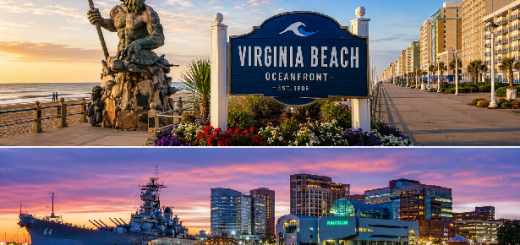
Veteran-Owned Businesses Hampton Roads: Your Complete Local Guide
Veteran-owned businesses Hampton Roads are an important part of the local economy. From restaurants and shops to construction companies, consultants, technology firms, and professional services, veteran entrepreneurs serve customers across the region.
Hampton Roads has a strong military connection. The region includes communities such as Norfolk, Virginia Beach, Chesapeake, Portsmouth, Hampton, Newport News, Suffolk, and surrounding areas. Because of that military presence, many former service members choose to build their next careers right here.
Today, veteran-owned businesses Hampton Roads offer much more than a military connection. They provide jobs, solve local problems, serve families, and create new products and services.
Moreover, many veteran entrepreneurs bring skills learned during military service into the business world. Leadership, teamwork, planning, discipline, and problem-solving can all help when running a company.
If you are a local customer, this guide can help you find and support veteran-owned companies. If you are a veteran thinking about starting a company, it can also help you understand local resources, certifications, contracts, and growth opportunities.
Table of Contents
Why Veteran-Owned Businesses Hampton Roads Matter
Veteran-owned businesses Hampton Roads matter because local spending can help strengthen the communities where people live and work.
When you buy from a local veteran-owned company, your money can help support local workers, suppliers, landlords, service providers, and other businesses.
Furthermore, veteran entrepreneurs often understand the needs of military families. They may serve customers who work at military installations, defense companies, shipyards, hospitals, schools, and other local organizations.
The benefit also works in the other direction.
Veteran business owners need customers, employees, suppliers, mentors, and partners. A strong local network can help a small company grow.
Therefore, supporting these businesses is not only about recognizing military service. It is also about building a stronger local business community.
Understanding the Hampton Roads Business Community
Hampton Roads is a large and diverse economic area.
The region has a mix of military, maritime, tourism, healthcare, construction, logistics, education, retail, technology, government, and professional services.
As a result, veteran entrepreneurs can find opportunities in many different fields.
A veteran might open a restaurant in Norfolk. Another might start a construction company in Chesapeake. Someone else might launch a technology consulting firm in Virginia Beach.
The opportunities are not limited to one industry.
That variety is one reason veteran-owned businesses Hampton Roads deserve attention from both consumers and other companies.
Veteran-Owned Businesses Hampton Roads Come in Many Forms
Not every veteran-owned company looks the same.
Some companies have one owner and one employee. Others employ dozens or hundreds of people.
Some sell directly to consumers. Others work mainly with government agencies or larger companies.
For example, local veteran-owned businesses may include:
- Restaurants
- Coffee shops
- Retail stores
- Construction companies
- Landscaping companies
- Cleaning companies
- Transportation firms
- Consulting firms
- Technology companies
- Cybersecurity firms
- Accounting businesses
- Marketing agencies
- Fitness businesses
- Marine companies
- Logistics companies
- Professional training firms
Therefore, customers should not assume that veteran-owned means a certain type of business.
The best approach is to look at the product or service first and then consider the company’s ownership and local connection.
A Simple Way to Find Veteran-Owned Businesses Hampton Roads
Finding local veteran-owned companies does not have to be difficult.
Start with local tourism and business organizations. For example, Visit Norfolk has published a guide featuring veteran-owned businesses in Norfolk, including Bloom OV, Pendulum Fine Meats, PJay’s Kitchen, Blyss Ice Cream, and All Hands Pottery.
Visit Virginia Beach has also published a roundup of veteran-owned businesses in the city.
Another option is a veteran business directory. VeteranOwnedBusiness.com maintains listings for cities throughout Hampton Roads, including Norfolk, Virginia Beach, Hampton, and Chesapeake.
However, directories can change.
So, always check a company’s current website, location, hours, and ownership information before visiting or placing an order.
Norfolk’s Growing Veteran Business Scene
Norfolk has a strong military identity, so it is not surprising that veteran entrepreneurs operate businesses there.
The local tourism office highlights several veteran-owned companies and tells the stories behind their founders.
One interesting example is All Hands Pottery. Its owner, Angela Tilley, served 26 years in the Navy and developed an interest in pottery during a deployment. She later opened a pottery studio in Norfolk.
Another example is Pendulum Fine Meats. Its owner, Dylan Wakefield, served in the Navy as a submarine chef before opening a neighborhood butcher shop.
These stories show something important.
Veterans do not have to start businesses connected to defense or military services.
They can turn personal interests and professional skills into completely different careers.
Virginia Beach and Veteran Entrepreneurship
Virginia Beach has a large military community and a wide range of small businesses.
Visit Virginia Beach has highlighted veteran-owned businesses across the city, including food and hospitality businesses.
The city also supports service-disabled and veteran-owned businesses through its SWaM Business Office. The office provides resources and training designed to help eligible businesses compete for city contracts.
That support can be useful for companies that want to grow beyond individual customers.
For example, a veteran-owned landscaping company might begin with homeowners. Later, it could seek commercial contracts with offices, schools, property managers, or public agencies.
That type of growth can create more jobs and more stable revenue.
Chesapeake Has Opportunities for Veteran Entrepreneurs
Chesapeake is another important part of the Hampton Roads business area.
Veteran business directories list companies in fields such as construction, medical supplies, bookkeeping, recreation, transportation, and aviation-related services.
This diversity matters because it shows that veteran entrepreneurship can fit almost any skill set.
A former mechanic could start an equipment repair company.
A former logistics specialist could create a transportation business.
A former administrative specialist could open a bookkeeping or office support company.
In addition, a veteran with military leadership experience could build a consulting firm.
The key is to match military experience with a real customer need.
Hampton Offers Another Strong Business Base
Hampton has its own mix of veteran entrepreneurs and small businesses.
Online veteran business listings include companies in Hampton that provide services ranging from logistics to professional services.
Hampton also benefits from its location near major military and transportation activity.
That creates possible opportunities for businesses serving both residents and organizations.
However, competition remains real.
A veteran-owned company still needs good pricing, reliable service, strong reviews, clear marketing, and excellent customer care.
Military service alone does not guarantee business success.
Newport News Connects Business and Industry
Newport News is known for shipbuilding, engineering, transportation, healthcare, education, and related industries.
That mix can create opportunities for veteran entrepreneurs with technical, management, safety, logistics, or skilled-trade backgrounds.
For example, a veteran with maintenance experience might start an industrial service company.
Another veteran might use project management experience to help contractors manage large jobs.
A third entrepreneur might create a training business for companies that need safety or leadership instruction.
Therefore, the region’s industrial base can create valuable opportunities for veteran-owned companies.
Suffolk Brings a Different Business Mix
Suffolk offers a different setting from the busy urban centers of Norfolk and Virginia Beach.
The city includes residential communities, agriculture, logistics, manufacturing, and commercial development.
That creates room for veteran-owned companies that serve families and businesses.
Possible opportunities include:
- Home services
- Landscaping
- Transportation
- Construction
- Security
- Professional consulting
- Agriculture services
- Property maintenance
- Outdoor recreation
Furthermore, a veteran entrepreneur can serve customers across Hampton Roads rather than staying inside one city.
A business based in Suffolk can still market to Norfolk, Chesapeake, Portsmouth, Virginia Beach, and other communities.
Portsmouth Can Be a Good Place to Build Connections
Portsmouth has a strong maritime and military history.
That makes it a natural place for businesses connected to transportation, marine services, construction, logistics, and professional support.
However, veteran business owners should think beyond their city limits.
A company does not need to have its office in Norfolk to serve Norfolk customers.
Likewise, a veteran-owned company in Portsmouth can work with customers throughout Hampton Roads.
This wider view can make the local market much larger.
Veteran-Owned Businesses Hampton Roads and Government Contracts
One major opportunity for veteran-owned businesses Hampton Roads is government contracting.
The U.S. Department of Veterans Affairs provides resources for veteran-owned businesses interested in doing business with the VA and other government organizations.
The federal government also has programs for qualifying Veteran-Owned Small Businesses and Service-Disabled Veteran-Owned Small Businesses.
However, government contracting is not a quick way to get rich.
It requires preparation.
A business may need the right registrations, certifications, codes, financial records, insurance, capability statements, and contract knowledge.
Therefore, new business owners should learn the process before chasing large contracts.
Understanding VOSB and SDVOSB
Two important terms are VOSB and SDVOSB.
VOSB generally means Veteran-Owned Small Business.
SDVOSB means Service-Disabled Veteran-Owned Small Business.
These designations can matter when a company competes for certain government opportunities.
The VA explains that its veteran business resources include contracting help, small business liaisons, and other support.
Because rules can change, business owners should always check current federal guidance before applying.
The SBA’s current veteran certification system should also be reviewed rather than relying on old blog posts or outdated instructions. The VA’s VetBiz portal notes that SBA assumed responsibility for federal VOSB and SDVOSB certification beginning January 1, 2023.
Virginia’s Service-Disabled Veteran Business Designation
Virginia also has a state-level process.
The Virginia Department of Veterans Services explains that qualifying service-disabled veterans may receive an SDVOSB designation through Virginia’s SWaM vendor database.
The process involves veteran status certification and the Virginia SWaM system.
Importantly, the state says there is no charge for these services.
This can be valuable for a local business that wants to compete for state opportunities.
Still, business owners should review the latest rules before applying because requirements can change.
Local Contracting Can Help Veteran Businesses Grow
Federal contracts are not the only option.
Local government can also create opportunities.
The City of Virginia Beach explains that its SWaM Business Office supports small, women-owned, minority-owned, and service-disabled/veteran-owned businesses with resources and training for city contracting.
The city also explains how businesses can register as suppliers through its Supplier Portal.
This creates a simple lesson for entrepreneurs:
Do not look only for customers. Look for buyers.
A buyer might be a homeowner.
But it could also be a city, school, hospital, prime contractor, property manager, nonprofit, or large company.
Veteran-Owned Businesses Hampton Roads Can Use the SBDC
Veteran-owned businesses Hampton Roads can also use the Hampton Roads Small Business Development Center.
The Hampton Roads Small Business Development Center provides business advising, training, and resources for entrepreneurs across the region.
The organization says its services cover areas such as business planning, marketing, financial analysis, funding, and startup support.
It also specifically states that its services are available to veterans and military spouses.
That makes it a useful starting point for someone who has a business idea but does not know what to do next.
Starting a Veteran-Owned Business Hampton Roads
Starting a veteran-owned business Hampton Roads company begins with a simple question:
What problem can you solve?
Do not start with a logo.
Do not start with business cards.
Do not start with an expensive office.
First, identify the customer.
Then identify the problem.
Next, create a simple service or product that solves it.
After that, test whether people will pay for it.
The Hampton Roads SBDC provides startup resources that include business plan tools, startup cost worksheets, marketing templates, and licensing information.
That can help a new entrepreneur avoid common mistakes.
Turning Military Skills Into Business Skills
Veterans often leave military service with useful skills.
These can include:
- Leadership
- Planning
- Communication
- Time management
- Logistics
- Equipment operation
- Team building
- Safety
- Emergency response
- Training
- Problem-solving
- Decision-making
However, military experience does not automatically teach every business skill.
A great leader still needs to understand cash flow.
A skilled technician still needs marketing.
A strong planner still needs to understand taxes and insurance.
Therefore, veteran entrepreneurs should combine military experience with business education.
A Real Example: Born Primitive
A strong local example comes from Virginia Beach.
In 2024, the Virginia Beach Development Authority awarded $420,000 through its Economic Development Investment Program to Born Primitive, a veteran-owned apparel company, to support expansion of its headquarters and operations.
This is a useful example because it shows how a veteran-owned company can grow into a larger operation.
It also shows that local economic development programs can play a role in business expansion.
However, one company does not represent every veteran business.
Most small companies will grow more slowly.
The lesson is to build a strong product, understand your market, and look for appropriate growth programs.
Real Example: Veteran-Owned Retail and Food Businesses
The local tourism offices provide several examples of veteran entrepreneurs in consumer businesses.
Visit Norfolk highlights veteran-owned companies such as Bloom OV, Pendulum Fine Meats, PJay’s Kitchen, Blyss Ice Cream, and All Hands Pottery.
Visit Virginia Beach also highlights veteran-owned businesses in its local guide.
These examples show that customers can support veterans while buying everyday products.
You do not need to purchase a specialized military service.
You might simply buy dinner, ice cream, flowers, pottery, clothing, or another product.
That makes supporting veteran entrepreneurship easy.
A Case Study: The Veteran Contractor
Consider a simple local example.
Imagine a former Army engineer named Mike who starts a small construction company.
At first, Mike works on small home repair projects.
His first customers come from friends and neighbors.
Then he creates a Google Business Profile.
Next, he asks satisfied customers for honest reviews.
After that, he registers his business properly and learns about local contracting opportunities.
Eventually, Mike connects with larger contractors.
Instead of trying to win a huge government contract immediately, he becomes a reliable subcontractor.
This path may be more realistic for a new company.
The lesson is simple: grow one strong step at a time.
A Case Study: The Veteran Consultant
Now imagine a former Navy logistics specialist named Sarah.
Sarah has years of experience managing schedules, supplies, teams, and complex projects.
After leaving the Navy, she creates a logistics consulting business.
At first, she has no large clients.
So she starts with small businesses that need help organizing inventory and deliveries.
Then she creates simple case studies showing how she saves clients time.
Later, she networks with larger contractors.
Eventually, she explores government contracting.
This example shows how military experience can become a commercial service.
A Case Study: The Veteran Restaurant Owner
Imagine another veteran who opens a small restaurant in Hampton Roads.
Instead of trying to compete with every restaurant in the region, the owner chooses a clear identity.
The restaurant offers simple food, friendly service, and a strong neighborhood feel.
The owner also supports local events.
Then the business builds relationships with nearby military families and community groups.
Over time, repeat customers become more important than one-time visitors.
This is a useful lesson for any small company.
Community connection can become a competitive advantage.
Advantages of Veteran-Owned Businesses Hampton Roads
There are several possible advantages for veteran-owned businesses Hampton Roads.
Strong leadership background
Many veterans have experience leading teams.
Military connections
Veterans may already understand the local military community.
Useful professional skills
Technical, logistics, security, maintenance, and management skills can transfer into business.
Government opportunities
Eligible businesses may qualify for certain government programs or contracting opportunities.
Local support
Hampton Roads has organizations that support entrepreneurs.
Strong community identity
Customers may enjoy supporting people who served.
However, these advantages work best when combined with good business practices.
Disadvantages and Challenges Veterans Should Expect
Starting a veteran-owned company also has challenges.
First, competition can be intense.
Second, business ownership can require skills that were not part of military service.
Third, cash flow can become a serious problem.
Fourth, government contracting can involve complicated paperwork.
Fifth, some customers may assume veteran ownership means the company automatically deserves their business.
That is not enough.
A company must still deliver quality.
Therefore, veteran entrepreneurs should treat military service as part of their story, not as a replacement for business value.
Veteran-Owned Businesses Hampton Roads and Local Jobs
Veteran-owned businesses Hampton Roads can create jobs for both veterans and civilians.
A small construction company may hire apprentices.
A restaurant may hire students.
A technology company may hire programmers.
A logistics company may hire drivers and office workers.
As businesses grow, they can create even more opportunities.
Furthermore, veteran entrepreneurs may understand the value of hiring people with military experience.
That can help create a strong local workforce.
Why Military Families Can Become Loyal Customers
Military families often move from one area to another.
That can make local trust especially valuable.
A military family may look for a contractor, mechanic, restaurant, dentist, cleaner, tutor, or moving company.
If they find a reliable local business, they may recommend it to friends.
Veteran-owned companies can benefit from that network.
However, they should still focus on service quality.
A military connection may open the door.
Good service keeps the door open.
How Consumers Can Support Veteran Entrepreneurs
Supporting a veteran-owned business does not always require spending more money.
You can:
- Buy from local companies.
- Leave honest reviews.
- Share their social media posts.
- Recommend them to friends.
- Use local service providers.
- Ask about veteran-owned options.
- Attend local events.
- Refer business customers.
- Partner with them.
- Give useful feedback.
Moreover, reviews can be especially valuable for small companies.
A thoughtful review can help a business appear more trustworthy to future customers.
A Smart Shopping Checklist
Before buying from a local company, ask:
- Does the business solve my problem?
- Is the company located nearby?
- Are prices clear?
- Are reviews recent?
- Does the company communicate well?
- Does it have a professional website?
- Does it explain its services clearly?
- Is the business properly licensed where required?
- Does the owner clearly identify the company as veteran-owned?
This process helps you make a good decision.
Supporting veterans is valuable, but customers should still expect professional service.
A Smart Business Checklist for Veteran Entrepreneurs
If you want to start a company, create this checklist.
Step 1: Choose a problem
Find something people need.
Step 2: Identify your customer
Know exactly who will buy.
Step 3: Research competitors
Find out what other companies offer.
Step 4: Set your price
Make sure the price covers your costs.
Step 5: Register the business
Follow Virginia and local requirements.
Step 6: Build a basic website
Make it easy to understand.
Step 7: Create a marketing plan
Decide how customers will find you.
Step 8: Track money
Watch income and expenses.
Step 9: Build relationships
Meet other business owners.
Step 10: Ask for help
Use resources such as the HRSBDC.
Veteran-Owned Businesses Hampton Roads and Marketing
Marketing can make or break veteran-owned businesses Hampton Roads.
A common mistake is creating a website that only says, “Veteran owned.”
That is not enough.
Your website should explain:
- What you sell
- Who you serve
- Where you work
- Why customers should choose you
- How much services cost, when possible
- How customers can contact you
For local SEO, include your service area naturally.
For example:
“Veteran-owned home repair company serving Virginia Beach, Chesapeake, Norfolk, and Hampton.”
That sentence tells search engines and customers what you do.
Local SEO Tips for Veteran Entrepreneurs
Local SEO can help a small business appear when nearby customers search.
Start with your Google Business Profile.
Then make sure your business name, address, and phone number remain consistent.
Next, create useful pages for important services.
For example:
- Veteran-owned roofing company in Chesapeake
- Veteran-owned landscaping in Virginia Beach
- Veteran-owned consulting in Norfolk
- Veteran-owned cleaning service in Hampton
Do not create low-quality pages simply to repeat keywords.
Instead, provide useful information.
Google rewards helpful content, while customers reward clear service.
Social Media Can Build Local Trust
Social media can help veteran entrepreneurs show the human side of their company.
Share:
- New products
- Customer stories
- Local events
- Behind-the-scenes work
- Community projects
- Helpful tips
- Team introductions
- Business milestones
However, do not make every post a sales pitch.
Instead, teach and help people.
For example, a veteran-owned landscaping company could post seasonal lawn tips.
A veteran-owned contractor could explain simple home maintenance.
A veteran-owned restaurant could share recipes or food stories.
Helpful content builds trust.
Networking Matters More Than Many Owners Think
Business growth often comes from relationships.
Therefore, attend local business events.
Meet other owners.
Join professional groups.
Talk with contractors.
Visit chambers of commerce.
Connect with nonprofit organizations.
The Hampton Roads SBDC provides seminars, training, advising, and networking-related support for local entrepreneurs.
Networking does not mean handing everyone a business card.
Instead, ask questions.
Learn what other people do.
Look for ways to help.
Strong relationships can lead to referrals later.
Virginia Values Veterans Can Help Employers
The Virginia Department of Veterans Services operates the Virginia Values Veterans, or V3, program.
The program provides free training and certification for employers that want to improve how they recruit, hire, and retain veterans.
This is useful for growing companies.
For example, a veteran-owned business might want to hire more former service members.
V3 training can help the employer understand better ways to reach and retain veteran workers.
Therefore, veteran business owners should consider both sides of the workforce question:
How can I grow my company, and how can I create good jobs for veterans?
Government Surplus Can Offer Another Opportunity
Virginia also has a surplus property program for qualifying veteran-owned businesses.
The Virginia Department of General Services explains that eligible veteran-owned businesses can potentially purchase federal and state surplus property such as equipment, supplies, and computers.
There are eligibility rules.
For example, the business must meet the required veteran ownership and verification conditions.
The property also must be used for business purposes and follow program rules.
Therefore, entrepreneurs should read the full program requirements before making plans around surplus purchases.
Expert Advice: Start Smaller Than You Think
A useful rule for new entrepreneurs is to control costs.
Do not rent a huge office before you have customers.
Do not purchase expensive equipment before you know demand exists.
Do not hire five employees when one person can handle the early workload.
Instead, test the idea.
Build a small customer base.
Then reinvest some profits into growth.
The HRSBDC specifically offers help with startup costs, business plans, financial statements, marketing, and related business foundations.
That makes professional advice especially valuable before major spending.
Expert Advice: Build Trust Before You Scale
A business can grow too quickly.
If you gain many customers but cannot provide good service, your reputation can suffer.
Therefore, create systems before rapid growth.
Write down:
- How you answer calls
- How you schedule jobs
- How you send invoices
- How you handle complaints
- How you follow up
- How you collect reviews
- How you track expenses
These simple systems make a business easier to manage.
A Comparison Chart for Local Veteran Businesses
| Business type | Typical customers | Possible advantage | Common challenge | Good growth path |
| Construction | Homeowners, contractors | Strong practical skills | Competition | Subcontracting |
| Landscaping | Homeowners, property managers | Repeat work | Seasonal demand | Commercial accounts |
| Restaurant | Families, workers, visitors | Local community | High operating costs | Catering |
| Consulting | Businesses, agencies | Specialized knowledge | Finding clients | Contracts |
| Technology | Businesses, government | High-value services | Fast-changing field | Larger contracts |
| Logistics | Businesses, contractors | Military experience transfers well | Fuel and labor costs | Fleet growth |
| Retail | Consumers | Direct local sales | Online competition | E-commerce |
| Fitness | Individuals, teams | Leadership and coaching | Customer retention | Memberships |
| Marine services | Boat owners | Strong regional market | Equipment costs | Service contracts |
| Cleaning | Homes and businesses | Repeat customers | Labor management | Commercial accounts |
The best choice depends on the owner’s skills, budget, market, and goals.
Common Mistakes Veteran Entrepreneurs Should Avoid
Veteran-owned businesses Hampton Roads can face the same problems as any other small business.
One common mistake is underpricing.
Another is failing to track expenses.
A third is trying to serve everyone.
A fourth is ignoring online reviews.
A fifth is waiting too long to ask for help.
A sixth is chasing government contracts before the company is ready.
A seventh is relying too heavily on military identity.
Remember this:
Customers buy solutions, not labels.
Your veteran background can build trust, but your product and service must deliver real value.
How Large Companies Can Support Veteran Businesses
Large companies can also play an important role.
They can:
- Add veteran-owned suppliers to procurement lists.
- Invite veteran businesses to networking events.
- Offer subcontracting opportunities.
- Pay invoices on time.
- Provide clear bidding instructions.
- Mentor smaller companies.
- Include qualified veteran firms in supplier searches.
This can help smaller companies gain experience.
Over time, a small veteran-owned supplier may become a reliable long-term partner.
How Veterans Can Find Mentors
A new entrepreneur does not need to know everything.
Instead, find people who already understand the business world.
Good mentors may include:
- Experienced business owners
- Accountants
- Attorneys
- Marketing professionals
- Bankers
- Industry experts
- Procurement specialists
- Other veteran entrepreneurs
The HRSBDC offers one-on-one advising and business education in Hampton Roads.
A good mentor can help you see problems before they become expensive.
Building a Strong Veteran Business Brand
Your brand should be simple.
People should understand it in seconds.
For example:
Who are you?
A veteran-owned home service company.
What do you do?
Repair and maintain homes.
Where do you work?
Hampton Roads.
Why choose you?
Reliable service, clear pricing, and quality work.
That message is stronger than a complicated slogan.
Furthermore, use the same business name and contact information across your website, directories, social profiles, and listings.
Consistency makes your company easier to find.
The Future of Veteran Entrepreneurship in Hampton Roads
The future looks promising because Hampton Roads continues to have a strong military and business connection.
Veterans can bring skills into fields such as technology, cybersecurity, logistics, construction, healthcare, education, professional services, and retail.
At the same time, local governments and business organizations continue to offer programs for small companies.
The key will be adaptability.
Customers change.
Technology changes.
Costs change.
Government rules change.
Successful entrepreneurs keep learning.
That lesson applies to every company, veteran-owned or not.
Why Veteran-Owned Businesses Hampton Roads Deserve Local Support
Veteran-owned businesses Hampton Roads deserve support because they are part of the region’s broader economic story.
They create products.
They provide services.
They employ people.
They pay local costs.
They build relationships.
They often support other community organizations.
Most importantly, they show what can happen when people turn experience into action.
Supporting a veteran-owned business does not mean ignoring quality or price.
Instead, it means giving qualified local entrepreneurs a fair chance to earn your business.
That is good for customers and good for the local economy.
Veteran-Owned Businesses Hampton Roads: Your Complete Local Guide
Frequently Asked Questions About Veteran-Owned Businesses Hampton Roads
- What are veteran-owned businesses Hampton Roads?
Veteran-owned businesses Hampton Roads are companies located in or serving the Hampton Roads region that are owned or controlled by veterans, depending on the applicable definition or certification program.
- Where can I find veteran-owned businesses in Hampton Roads?
You can search local tourism guides, veteran business directories, local chambers, and business organizations. Visit Norfolk and Visit Virginia Beach both publish local veteran-business guides.
- Are there veteran-owned businesses in Virginia Beach?
Yes. Virginia Beach has many veteran-owned companies across different industries, and the city’s business resources include support for service-disabled and veteran-owned businesses.
- Are there veteran-owned businesses in Norfolk?
Yes. Norfolk’s tourism office highlights several veteran-owned businesses, including restaurants, retail businesses, food companies, and creative businesses.
- Can veterans start a business in Hampton Roads?
Yes. Veterans can start businesses in Hampton Roads like other entrepreneurs, subject to applicable Virginia and local requirements.
The HRSBDC offers startup advising and resources for entrepreneurs in the region.
- Does the Hampton Roads SBDC help veterans?
Yes. The HRSBDC says its services are available to veterans and military spouses.
- What does VOSB mean?
VOSB generally means Veteran-Owned Small Business.
The exact requirements depend on the certification or program being used.
- What does SDVOSB mean?
SDVOSB means Service-Disabled Veteran-Owned Small Business.
Federal and state programs may have specific eligibility rules, so owners should check the current requirements before applying.
- Can veteran-owned companies get government contracts?
Some qualifying veteran-owned businesses can compete for government contracting opportunities.
The VA provides business resources and support for veteran-owned companies interested in government work.
- Do veteran businesses receive special government opportunities?
Certain qualifying VOSBs and SDVOSBs can receive access to specific contracting opportunities under applicable federal programs.
However, certification does not guarantee a contract.
- Can a service-disabled veteran get a Virginia business designation?
Qualifying service-disabled veterans may obtain an SDVOSB designation through Virginia’s SWaM vendor system.
- Does Virginia charge for the SDVOSB designation process?
The Virginia Department of Veterans Services states that the related services have no charges.
Always review current state requirements before applying.
- What industries do veteran entrepreneurs operate in?
Veterans operate businesses in nearly every industry.
Common examples include construction, consulting, technology, food, retail, logistics, transportation, fitness, marine services, professional services, and government contracting.
- How can I support a veteran-owned company?
You can buy from the business, leave an honest review, recommend it to friends, share its content, or hire it when its products or services fit your needs.
- Should I choose a business only because it is veteran-owned?
Not necessarily.
Veteran ownership is one factor.
You should also consider quality, price, experience, reviews, communication, licensing, and whether the business meets your needs.
- What is the biggest challenge for a veteran entrepreneur?
There is no single answer.
Many new owners struggle with marketing, cash flow, pricing, hiring, taxes, competition, and learning how to run a company.
Business advising can reduce some of these problems.
- Can military skills help someone run a business?
Yes.
Leadership, planning, teamwork, logistics, communication, and problem-solving can transfer well into business.
However, entrepreneurs still need to learn financial and business skills.
- Can veteran-owned companies hire other veterans?
Yes.
Many veteran business owners choose to recruit former service members because they understand the value of military experience.
Virginia’s V3 program also provides employers with training related to recruiting, hiring, and retaining veterans.
- Where can a new veteran business owner get help?
The Hampton Roads SBDC is one strong starting point. It provides advising, training, and resources for local entrepreneurs.
Veterans should also review resources from the VA, SBA, and Virginia Department of Veterans Services.
- What is the best way to grow a veteran-owned business in Hampton Roads?
Start with a real customer problem.
Then provide excellent service.
Build strong reviews.
Control costs.
Create repeat customers.
Network locally.
Use business advising.
Finally, explore government, commercial, and partnership opportunities when the company is ready.
Final Thoughts on Veteran-Owned Businesses Hampton Roads
Veteran-owned businesses Hampton Roads are an important part of the region’s business community.
From Norfolk and Virginia Beach to Chesapeake, Hampton, Portsmouth, Newport News, and Suffolk, veteran entrepreneurs are building companies in many different fields.
Some sell food.
Some provide professional services.
Some work in construction.
Others work in technology, logistics, consulting, retail, marine services, or government contracting.
The biggest lesson is simple: support should lead to opportunity, and opportunity should lead to value.
Customers can support local veteran entrepreneurs by buying from qualified businesses, leaving honest reviews, and recommending good companies.
Meanwhile, veteran entrepreneurs can build stronger companies by learning business skills, managing money carefully, understanding their customers, and using local resources.
The Hampton Roads SBDC is a practical starting point for business planning, marketing, financial management, and startup support.
Veterans interested in government work should also review current VA and SBA resources instead of relying on outdated information.
For Virginia opportunities, the state’s veteran and SWaM resources can also be useful.
Ultimately, Hampton Roads has something special: a large military community combined with a broad local economy.
That creates room for veterans to turn their skills, experience, ideas, and hard work into successful businesses.
And when local customers choose strong local companies, the whole community can benefit.
Recommended External Resources
- U.S. Department of Veterans Affairs — Business Resources
- VA VetBiz Portal
- Hampton Roads Small Business Development Center
- HRSBDC Startup Resources
- Virginia Department of Veterans Services — SDVOSB Designation
- Virginia Values Veterans Program
- Virginia Veteran-Owned Business Surplus Program
- Visit Norfolk — Veteran-Owned Businesses
- Visit Virginia Beach — Veteran-Owned Businesses
- City of Virginia Beach — SWaM Business Office