Organic Grocery Stores Hampton Roads: Complete Local Guide
Organic grocery stores Hampton Roads give shoppers many ways to find fresh produce, organic pantry foods, natural snacks, cleaner-label products, and locally made foods. However, finding the right store can take some work because Hampton Roads covers a large area that includes Virginia Beach, Norfolk, Chesapeake, Portsmouth, Suffolk, Hampton, Newport News, and nearby communities.
Fortunately, you do not need to shop at one store for everything.
Instead, you can build a simple grocery plan that combines a larger natural-food store, a regular supermarket, a farmers market, and local farms. This approach can help you find better choices without spending too much.
The USDA says an organic label has a specific meaning. Farmers and food producers must follow USDA organic rules, and certified products must meet those rules before they can use approved organic claims.
So, this guide explains how to shop wisely, where to look, what labels mean, how to save money, and how local Hampton Roads shoppers can create a practical organic grocery routine.
Table of Contents
Why Organic Grocery Stores Hampton Roads Matter to Local Shoppers
Organic grocery stores Hampton Roads can make healthy food shopping easier because many stores place organic produce, dairy, eggs, meat, frozen foods, and packaged products in easy-to-find sections.
At the same time, not every store works the same way.
For example, one store may have a large organic produce section. Another may offer more organic packaged foods. A farmers market may give you local produce but not necessarily certified organic food.
Therefore, shoppers should look beyond the word “organic.”
Check the label, ask questions, compare prices, and learn where each product comes from.
What “Organic” Really Means on a Food Label
Organic does not simply mean “healthy.”
Instead, USDA organic rules cover how farmers grow crops, how livestock are raised, and how food companies handle organic ingredients.
For example, USDA organic crop standards include rules about prohibited substances and soil management. Organic livestock rules also include requirements related to outdoor access and feed.
Therefore, look for the USDA Organic seal when you want certified organic food.
The USDA also has different labeling levels. A product labeled “100 Percent Organic” contains 100 percent organic ingredients, apart from allowed exceptions such as salt and water. A product labeled simply “Organic” generally needs at least 95 percent certified organic ingredients.
How to Read Organic Labels Without Getting Confused
Shopping becomes easier when you understand a few basic terms.
100 Percent Organic: The strongest organic claim for qualifying products.
Organic: At least 95 percent certified organic ingredients, with limited allowed exceptions.
Made With Organic: At least 70 percent certified organic ingredients, but the USDA organic seal cannot appear on that product.
Specific Organic Ingredients: Products with less than 70 percent organic content can identify certain ingredients as organic in the ingredient list.
As a result, do not assume every product with the word “organic” on the package has the same organic content.
The Hampton Roads Grocery Map Starts With Your Neighborhood
One of the biggest mistakes shoppers make is driving across Hampton Roads for every grocery trip.
Hampton Roads covers a wide area, and bridges and tunnels can make short-looking trips take much longer.
Therefore, start with stores close to your home.
If you live in Virginia Beach, look at Virginia Beach options first. If you live around Newport News, start on the Peninsula. Likewise, shoppers in Hampton, Norfolk, Chesapeake, Suffolk, and Portsmouth should build a local list before traveling farther.
This simple change can save gas, time, and stress.
Organic Grocery Stores Hampton Roads for Virginia Beach Shoppers
Organic grocery stores Hampton Roads include several choices for Virginia Beach residents.
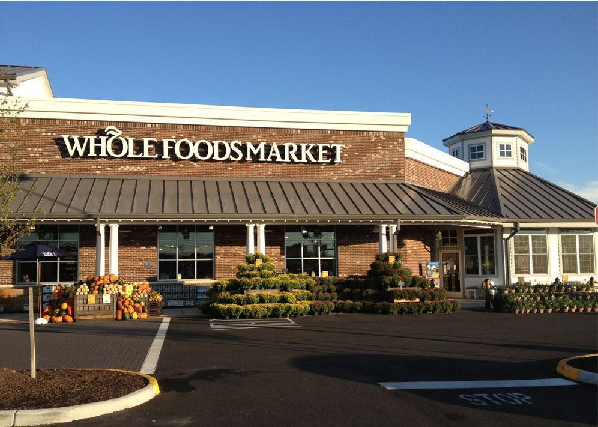
Whole Foods Market Virginia Beach store information is one of the area’s major natural and organic food options. Its Virginia Beach store is at 1800 Laskin Road and lists produce, dairy and eggs, meat, pantry items, frozen food, snacks, and other grocery categories.
Wegmans is another useful option for shoppers who want a large grocery selection with health and wellness, produce, bulk foods, and other departments. Its Virginia Beach location is at 4721 Virginia Beach Blvd.
Furthermore, the Virginia Beach Farmers Market at 3640 Dam Neck Road provides another way to buy local food and farm products.
A Closer Look at Whole Foods in Virginia Beach
Organic grocery stores Hampton Roads shoppers often consider Whole Foods because of its broad organic selection.
The Virginia Beach store lists organic products across several departments. It also provides grocery delivery and pickup options.
However, Whole Foods should not automatically become your only grocery store.
Instead, compare prices.
Buy products that offer good value there, then purchase less expensive staples somewhere else.
For example, you might buy organic berries, specialty produce, or certain natural foods at Whole Foods while purchasing rice, beans, oats, or other basic items at a lower-cost store.
This “mix and match” method often makes more sense than trying to buy everything from one place.
Newport News Gives Peninsula Shoppers Another Strong Choice
For Peninsula residents, Whole Foods Market Newport News offers another major option.
The Newport News store is located at 12080 Jefferson Ave. It offers grocery pickup and delivery and lists organic fruits and vegetables, sustainable seafood, and other grocery choices.
This makes the store useful for shoppers who want several food categories in one trip.
Still, prices can vary by item.
Therefore, compare your usual shopping list instead of judging a store by one expensive product.
Organic Grocery Stores Hampton Roads and the Peninsula
Organic grocery stores Hampton Roads shoppers in Hampton and Newport News should also consider farmers markets and local farms.
The City of Hampton lists the Buckroe Beach Farmers Market as a seasonal market that runs Saturdays from 9 a.m. to 1 p.m. during the 2026 season. Vendors sell local produce, baked goods, sausage, seafood, jarred foods, and other items.
However, remember one important point: local does not automatically mean organic.
A farmer can grow food locally without having USDA organic certification.
So, if organic certification matters to you, ask the vendor directly.
Virginia Beach Farmers Market Adds a Local Food Option
The Virginia Beach Farmers Market operates at 3640 Dam Neck Road.
The city says its agriculture department operates the market and supports the local agricultural community.
In addition, the market hosts special events during the year.
This creates an enjoyable way to shop for local food while supporting regional farmers and food sellers.
Still, shoppers should ask vendors about growing methods if they specifically want certified organic produce.
Organic Grocery Stores Hampton Roads vs. Farmers Markets
Organic grocery stores Hampton Roads and farmers markets serve different purposes.
A grocery store can provide year-round access to packaged foods, dairy, eggs, frozen foods, meat, and pantry items.
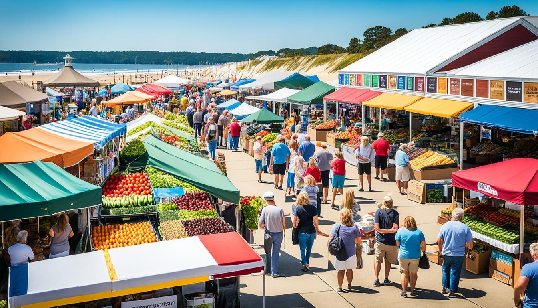
Meanwhile, a farmers market can offer seasonal produce, local products, and direct conversations with sellers.
Therefore, the best choice may be both.
You can buy organic oats and canned beans at a grocery store, then purchase seasonal vegetables from a local farmer.
This creates a flexible shopping routine.
Local Does Not Always Mean Organic
This point deserves special attention.
A local farm may use careful growing methods without using the USDA organic label.
However, that does not mean the farm uses the same exact rules as a certified organic farm.
Therefore, ask questions such as:
- Do you use synthetic pesticides?
- Do you use herbicides?
- Are your crops certified organic?
- Where is the farm?
- How long ago were the products harvested?
- Do you sell directly from the farm?
A friendly conversation can tell you much more than a small sign.
Organic Produce: What Should You Buy First?
You do not have to make every item organic.
Instead, begin with foods your family eats often.
For example, if your household eats berries every week, compare organic and conventional berry prices.
Do the same with apples, leafy greens, carrots, milk, eggs, and other common foods.
Then decide which items fit your budget.
This approach is easier than trying to change your entire kitchen at once.
Fresh Produce Deserves a Simple Shopping Plan
Fresh produce can spoil quickly.
Therefore, plan your produce purchases around your meals.
Buy leafy greens for meals you will cook soon. Choose firmer fruits for later in the week. Use frozen vegetables when fresh produce may spoil before you can eat it.
The FDA recommends washing fresh produce under running water before preparing or eating it. It also advises against using soap or household detergent on fruits and vegetables.
As a result, safe handling matters just as much as where you shop.
Organic Meat and Eggs Need Careful Label Reading
Organic meat and eggs can cost more, so shoppers should understand what they are paying for.
USDA organic livestock standards include specific rules for organic production.
However, “natural,” “free-range,” “grass-fed,” “pasture-raised,” and “organic” do not all mean the same thing.
Therefore, read each label.
If you want certified organic meat, look for the appropriate organic claim instead of assuming that another marketing phrase means organic.
Organic Dairy Can Fit Into a Family Budget
Milk, yogurt, cheese, and butter can quickly increase a grocery bill.
Therefore, compare unit prices.
A larger container may cost less per ounce, but only buy it if your household can finish it before it spoils.
You can also compare store brands with national brands.
For families, buying a few organic dairy products that matter most to them can be easier than buying every dairy item organically.
Organic Grocery Stores Hampton Roads and Pantry Basics
Organic grocery stores Hampton Roads can be useful for stocking pantry staples.
Think about:
- oats
- brown rice
- pasta
- beans
- lentils
- canned tomatoes
- peanut butter
- spices
- flour
- cereal
- nuts
- seeds
Packaged organic foods often last longer than fresh produce.
Therefore, pantry items can be a good place to compare prices and slowly build an organic kitchen.
How to Find Affordable Organic Food
Organic food does not always have to break your budget.
First, make a list.
Second, compare unit prices.
Third, check weekly sales.
Fourth, choose seasonal produce.
Finally, avoid buying food simply because the package looks healthy.
The EPA recommends making grocery lists, checking what you already have, and buying only what you need to reduce food waste and save resources.
Therefore, smart planning can lower your total grocery cost.
Organic Grocery Stores Hampton Roads on a Small Budget
Organic grocery stores Hampton Roads shoppers on a tight budget should use a priority system.
Try this simple plan:
Priority 1: Foods your family eats every day.
Priority 2: Foods where organic matters most to your personal goals.
Priority 3: Seasonal products on sale.
Priority 4: Specialty products that you enjoy but do not need every week.
This system prevents one expensive shopping trip from damaging your monthly budget.
The Store-Brand Organic Strategy
Store brands can sometimes provide better value than famous brands.
Therefore, compare the ingredients and package sizes.
Do not assume the larger brand name means better quality.
Instead, check:
- USDA organic status
- ingredient list
- serving size
- unit price
- package size
- added sugar
- sodium
- expiration date
This simple checklist can make grocery shopping much easier.
Bulk Buying Works Best for the Right Foods
Bulk shopping can save money, but only when you use the food.
For example, rice, oats, beans, nuts, and some frozen foods may work well for families.
However, buying a huge box of fresh berries does not help if half of it goes bad.
The EPA notes that buying only what you need helps prevent food waste.
Therefore, bulk buying should follow your family’s real eating habits.
Organic Grocery Stores Hampton Roads for Busy Families
Organic grocery stores Hampton Roads can help busy parents build quick meal plans.
Instead of planning complicated recipes, create five simple dinner ideas.
For example:
- Organic chicken, rice, and vegetables.
- Bean tacos with fresh vegetables.
- Pasta with tomato sauce and salad.
- Eggs, potatoes, and fruit.
- Salmon, frozen vegetables, and brown rice.
Then build your shopping list from those meals.
This reduces random purchases.
A Simple Organic Breakfast Plan
Breakfast does not need to be difficult.
Try oatmeal with bananas and nuts.
Another option is eggs with whole-grain toast and fruit.
Greek yogurt with berries can also make a quick breakfast.
Meanwhile, smoothies can help use fruit before it becomes too ripe.
Therefore, buy foods that work in more than one meal.
A Simple Organic Lunch Plan
Lunch can also stay simple.
Make a large salad and add beans, eggs, chicken, or another protein.
You can also prepare rice bowls.
Another easy choice is a whole-grain sandwich with vegetables and fruit.
Because these meals use basic ingredients, you can adjust them based on weekly sales.
A Simple Organic Dinner Plan
A good dinner formula is:
Protein + vegetable + whole grain or potato.
For example:
- chicken + broccoli + brown rice
- beans + peppers + corn tortillas
- salmon + green beans + potatoes
- tofu + mixed vegetables + rice
This formula makes meal planning easy.
Furthermore, it works with both organic and conventional ingredients depending on your budget.
Organic Grocery Stores Hampton Roads and Seasonal Food
Organic grocery stores Hampton Roads are not your only source of fresh food.
Seasonal local produce can sometimes offer great flavor and value.
Virginia Beach highlights local strawberry production and provides a guide for finding local strawberry sources.
Therefore, watch for seasonal foods.
Seasonal shopping can make meals more interesting while helping you avoid buying expensive produce that traveled a long distance.
A Real-Life Example: The $100 Weekly Plan
Imagine a family with two adults and two children.
They want more organic food but have only $100 for groceries.
Instead of buying everything organic, they could divide the budget.
| Category | Example Budget |
| Organic produce | $25 |
| Organic dairy and eggs | $20 |
| Pantry staples | $20 |
| Protein | $20 |
| Frozen foods | $10 |
| Snacks and extras | $5 |
| Total | $100 |
This is only an example, not a promise of current store prices.
However, it shows how priorities can make organic shopping more realistic.
Case Study: A Virginia Beach Shopping Routine
Consider a Virginia Beach family that wants to improve food quality without driving all over the region.
They choose one main grocery store close to home.
Then, once a week, they visit the Virginia Beach Farmers Market when they want local seasonal food.
They use Whole Foods for selected organic and specialty products.
Finally, they compare prices before each trip.
This routine reduces unnecessary driving and gives the family more control over spending.
The city confirms that Virginia Beach operates its farmers market and supports local agriculture.
Case Study: A Peninsula Family Shops Smarter
Now imagine a family living near Newport News.
They use the Newport News Whole Foods location for specialty organic products and certain fresh foods.
They buy basic pantry items from another nearby supermarket when prices are lower.
They also check local markets during the growing season.
This approach gives them more choices without forcing them to buy everything at a specialty store.
Whole Foods Newport News currently lists grocery delivery and pickup along with organic produce and other food categories.
Expert Advice: Focus on the Whole Diet
A smart food plan should not focus only on labels.
Instead, focus on the overall meal.
A plate with vegetables, fruit, whole grains, and a reasonable protein source can be a strong everyday choice.
Organic certification can matter to shoppers for many reasons, but the label does not automatically turn a sugary snack into a healthy meal.
Therefore, read both the organic label and the nutrition facts.
This balanced approach keeps food shopping simple.
Expert Advice: Do Not Chase Every “Healthy” Package
Food packages can make strong claims.
Words such as “natural,” “clean,” “farm fresh,” and “made with real ingredients” can sound impressive.
However, these phrases do not replace reading the ingredient list.
Therefore, turn the package around.
Look at the ingredients.
Then check the serving size.
Finally, compare the price.
This small habit can protect your grocery budget.
Advantages of Organic Grocery Shopping
Organic grocery shopping can offer several advantages.
Potential advantages include:
- More certified organic choices.
- Easier access to specialty foods.
- More options for certain dietary preferences.
- More choices for shoppers who want organic farming standards.
- Opportunities to support local food businesses.
- Greater awareness of food labels.
- More chances to compare farms and producers.
The USDA explains that organic production follows defined standards that cover approved farming and handling methods.
However, organic shopping still requires smart choices.
Disadvantages of Organic Grocery Shopping
There are also downsides.
Common challenges include:
- Higher prices on some products.
- Smaller selection in some stores.
- Longer drives for certain specialty foods.
- Confusion about labels.
- Seasonal availability.
- Food waste if shoppers buy too much.
- The temptation to spend more than planned.
Therefore, organic shopping works best when you have a clear plan.
Organic Grocery Stores Hampton Roads and Food Waste
Organic grocery stores Hampton Roads shoppers should think about food waste.
Buying organic food and throwing it away does not help your budget.
Therefore, use older foods first.
Keep a small “eat first” section in your refrigerator.
Freeze foods when appropriate.
Cook extra vegetables into soups, rice dishes, or omelets.
The EPA says preventing food waste at the source is the most effective level of its food-waste hierarchy.
How to Store Fresh Produce Longer
Good storage can save money.
Keep some produce refrigerated and other items at room temperature according to their needs.
Do not wash every item immediately if washing can shorten its storage life.
Instead, wash produce before eating or preparing it.
The FDA recommends washing produce thoroughly under running water and cutting away damaged areas.
Therefore, safe storage and safe washing should work together.
Organic Grocery Stores Hampton Roads for Meal Prep
Organic grocery stores Hampton Roads can support simple weekly meal prep.
Pick one day for cooking.
Prepare a large batch of rice.
Wash and cut vegetables.
Cook a protein.
Prepare a simple sauce.
Then store the ingredients in separate containers.
During the week, you can combine them in different ways.
This method saves time and reduces the chance of ordering expensive takeout.
Shopping With Children Without Stress
Children can make grocery shopping harder.
However, you can turn the trip into a small learning activity.
Ask your child to find:
- one green vegetable
- one red fruit
- one whole grain
- one organic product
- one local product
Then explain why you chose each item.
This can help children understand food without making the trip feel like a lesson.
How to Compare Two Organic Stores
Use the same ten-item shopping list at two stores.
For example:
- Organic bananas
- Organic apples
- Organic milk
- Organic eggs
- Organic oats
- Organic rice
- Organic beans
- Organic chicken
- Organic spinach
- Organic yogurt
Write down the unit prices.
Then compare the total.
This gives you a much better answer than asking which store is “cheapest.”
Organic Grocery Stores Hampton Roads: Quick Comparison Chart
Organic grocery stores Hampton Roads options differ in purpose, so use this chart as a starting point rather than a strict ranking.
| Shopping Option | Best For | Main Strength | Possible Weakness |
| Whole Foods | Organic and specialty foods | Broad natural-food selection | Some items cost more |
| Wegmans | One-stop shopping | Large selection | Large store can take time |
| Farmers markets | Local seasonal foods | Direct local buying | Hours and products vary |
| Local farms | Farm-direct food | Local connection | Availability changes |
| Regular supermarkets | Everyday staples | Convenience | Organic selection varies |
| Discount grocers | Budget shopping | Lower prices on many basics | Smaller specialty selection |
Whole Foods lists organic produce and other grocery categories at both its Virginia Beach and Newport News stores. Wegmans’ Virginia Beach location also includes produce, bulk foods, health and wellness, grocery, and other departments.
Organic Grocery Stores Hampton Roads for Special Diets
Organic grocery stores Hampton Roads can also help shoppers looking for gluten-free, vegetarian, vegan, or other specialty foods.
Still, organic and gluten-free are not the same thing.
A food can be organic but contain gluten.
A food can be gluten-free but not organic.
Therefore, check both labels if you need to avoid a specific ingredient.
Also, read the full ingredient list instead of relying only on the front of the package.
Online Grocery Ordering Can Save Time
Some Hampton Roads shoppers may prefer online grocery ordering.
For example, Whole Foods lists delivery and pickup services at its Virginia Beach and Newport News stores.
Online shopping can help you stay focused because you can search directly for products.
However, it can also make it easier to add unnecessary items.
Therefore, build your cart from a shopping list.
Organic Grocery Stores Hampton Roads and Local Agriculture
Organic grocery stores Hampton Roads are part of a larger local food system.
Hampton Roads has an active agricultural community, especially around Virginia Beach and nearby rural areas.
The Virginia Beach Department of Agriculture says local agribusiness had an economic impact of more than $177 million in 2025.
That matters because grocery shopping can connect consumers with farms, food makers, market vendors, and other local businesses.
How Farmers Markets Can Improve Your Grocery Routine
Farmers markets can be useful even if you do most shopping at a grocery store.
For example, visit once or twice a month.
Buy seasonal vegetables.
Ask farmers how they grow their crops.
Try one new local food.
Then use those foods in your normal meals.
Hampton’s Buckroe Beach Farmers Market currently lists Saturday hours and local products including produce, baked goods, seafood, sausage, and jarred foods.
A 30-Minute Weekly Grocery Strategy
You can make grocery planning very simple.
Step 1: Check your refrigerator.
Step 2: Check your freezer.
Step 3: Check your pantry.
Step 4: Pick five dinners.
Step 5: Write your shopping list.
Step 6: Choose the best store for each group of products.
Step 7: Set your spending limit.
Step 8: Shop only from the list.
This routine can reduce waste and save money.
Organic Grocery Stores Hampton Roads: The Best Way to Choose
Organic grocery stores Hampton Roads are not all equal, and the “best” store depends on your needs.
Choose a store based on:
- distance
- product selection
- prices
- organic availability
- local products
- pickup options
- store hours
- family needs
For example, a single person may prefer a small store with specialty foods.
A large family may prefer a full supermarket with bulk options.
Therefore, choose the store that fits your life.
A Practical Hampton Roads Organic Shopping Checklist
Before you leave home, ask yourself these questions:
- What food do I already have?
- What will I cook this week?
- Which products must be organic?
- Which products can be conventional?
- Which foods are seasonal?
- Which store has the best price?
- Can I buy local?
- How much food will my family actually eat?
- Do I need a farmers market visit?
- Can I avoid food waste?
If you answer these questions, grocery shopping becomes much easier.
Frequently Asked Questions About Organic Grocery Shopping in Hampton Roads
1: What are the best organic grocery stores Hampton Roads?
Organic Grocery Stores Hampton Roads: Complete Local Guide
include major natural-food retailers such as Whole Foods, along with large supermarkets that carry organic products. Local farmers markets and farms also provide fresh food options. The best choice depends on your location, budget, and shopping list.
2: Is Whole Foods the only organic grocery store in Hampton Roads?
No. Whole Foods is one major option, but it is not the only place to find organic products. Wegmans and other supermarkets carry organic items, while farmers markets and farms offer local food.
3: Where can I buy organic food in Virginia Beach?
Virginia Beach shoppers can consider Whole Foods, Wegmans, regular supermarkets with organic sections, and the Virginia Beach Farmers Market. The city operates the farmers market at 3640 Dam Neck Road.
4: Where can I buy organic food in Newport News?
Newport News shoppers can visit the Whole Foods location at 12080 Jefferson Ave and compare it with nearby supermarkets and local markets.
5: Are farmers market foods always organic?
No. Local food and organic food are different things. A local farmer may use growing methods that are not USDA certified. Ask the farmer if certification is important to you.
6: Does organic food cost more?
Sometimes. Prices vary by product and store. Therefore, compare unit prices instead of assuming every organic product costs much more.
7: Is organic food healthier?
Organic certification mainly describes production and handling standards. It does not mean every organic product is automatically healthier. For example, an organic candy bar is still a candy bar.
8: How can I save money on organic groceries?
Start with foods you eat often. Compare unit prices, use sales, buy seasonal produce, cook at home, and avoid wasting food.
9: Should I buy all organic food?
You do not have to. Many families choose certain organic products while buying other foods based on price, availability, taste, and personal preference.
10: What does the USDA Organic seal mean?
The USDA Organic seal indicates that a qualifying product meets USDA organic requirements. USDA rules cover organic production, handling, and labeling.
11: What does “Made With Organic” mean?
A product labeled “Made With Organic” must contain at least 70 percent certified organic ingredients under USDA rules. It cannot use the USDA organic seal.
12: Can local food be better than grocery-store food?
Local food can offer freshness and a direct connection with producers. However, “local” does not automatically mean organic or healthier. Compare the product and ask questions.
13: What organic foods should beginners buy first?
Start with foods you already eat regularly. Organic milk, eggs, fruits, vegetables, oats, beans, and other common staples can be easy starting points.
14: How often should I visit a farmers market?
There is no single answer. Some families visit weekly, while others go once or twice a month. Start slowly and buy only what you can use.
15: Are organic eggs worth the extra cost?
That depends on your priorities and budget. Compare labels, prices, and your household’s preferences before deciding.
16: How should I wash organic vegetables?
Wash fresh produce under running water before preparing or eating it. The FDA does not recommend washing fruits and vegetables with soap or household detergent.
17: Can I buy organic food online?
Yes. Some grocery stores provide online ordering, pickup, and delivery. Whole Foods lists delivery and pickup services at its Hampton Roads locations.
18: How can I reduce food waste when buying organic produce?
Plan meals before shopping, check your refrigerator first, buy realistic amounts, and use older food before newer food. The EPA recommends planning, checking supplies, and buying only what you need.
19: What is the biggest mistake new organic shoppers make?
The biggest mistake is trying to buy everything organic immediately without a budget. Start small, compare prices, and focus on foods your family actually eats.
20: What is the best way to shop for organic food in Hampton Roads?
Use a mixed strategy. Choose one convenient main grocery store, visit a farmers market for seasonal local foods, compare prices for important organic products, and plan meals before shopping.
External Resources for Hampton Roads Organic Food Shoppers
These sources can help you verify labels, find local markets, and learn more about food safety:
- USDA Organic Labeling Guide — Official information about organic labels and USDA requirements.
- USDA Organic Standards — Details about crop, livestock, handling, and labeling standards.
- FDA Produce Safety Guide — Practical advice for buying, washing, and preparing fresh produce.
- EPA Food Waste Prevention Guide — Tips for reducing food waste and saving resources.
- Virginia Beach Department of Agriculture — Local agriculture information and community programs.
- Virginia Beach Farmers Market — Market location, events, and local vendor information.
- City of Hampton Buckroe Beach Farmers Market — Current seasonal market information for Hampton.
- Whole Foods Market Virginia Beach — Store information, departments, services, and current offerings.
- Whole Foods Market Newport News — Peninsula store information and grocery services.
- Wegmans Virginia Beach — Store departments, location, and grocery services.
Final Thoughts
Finding good food does not have to be complicated.
The smartest approach is to understand what “organic” really means, compare prices, plan meals, support local producers when possible, and buy only the food your household will actually eat.
Organic grocery stores Hampton Roads give shoppers many choices, but no single store needs to meet every need.
Instead, think of grocery shopping as a simple team.
One store can handle your organic staples.
Another can provide lower-priced basics.
A farmers market can provide seasonal local food.
A local farm can give you a direct connection to the people who grow your food.
Most importantly, choose a system that fits your family, location, time, and budget.
The USDA provides clear rules for organic labeling, while local Hampton Roads governments provide information about farmers markets and agriculture.
So, start small.
Choose five foods you buy every week.
Compare organic options.
Check prices.
Try one local market.
Reduce food waste.
Then improve your shopping routine one step at a time.
That is the easiest way to make organic and local food shopping a normal part of life in Hampton Roads.