
Farming Sustainable Agriculture in Hampton Roads VA Guide
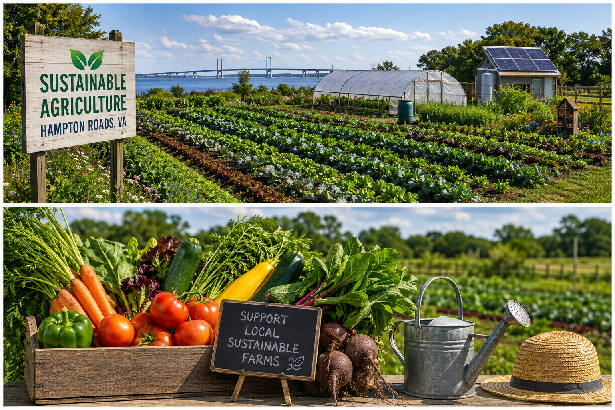
Farming sustainable agriculture in Hampton Roads VA is becoming one of the most important ways to grow healthy food while protecting land, water, wildlife, and local communities. Farmers across Hampton Roads are finding better ways to care for the environment without giving up good harvests. They are improving soil, saving water, reducing waste, and creating stronger farms that can continue producing food for many years.
Today, people want fresh vegetables, fruits, eggs, dairy products, herbs, and meat that come from farms using responsible methods. Because of this growing demand, sustainable farming is no longer just an idea. Instead, it has become an important part of modern agriculture in Hampton Roads.
Whether you own a large farm, manage a family garden, or simply want to understand local agriculture, this guide will help you learn everything you need to know. You will discover practical farming methods, local success stories, expert advice, and real examples that show how sustainable agriculture creates a better future.
Table of Contents
What Is Farming Sustainable Agriculture?
Farming sustainable agriculture means growing food in ways that protect nature while supporting farmers and local communities.
Instead of using farming methods that damage the environment, sustainable agriculture focuses on balance. Farmers grow crops while keeping soil healthy, saving water, protecting wildlife, and reducing pollution.
Three important goals guide sustainable agriculture:
- Protect natural resources
- Produce healthy food
- Keep farms profitable
Because these goals work together, farms become stronger over time.
Why Farming Sustainable Agriculture in Hampton Roads VA Matters
Hampton Roads includes cities and communities near rivers, bays, wetlands, and farmland. These natural resources make farming possible, but they also need protection.
The region faces challenges like:
- Flooding
- Heavy rain
- Saltwater intrusion
- Coastal erosion
- Changing weather
Therefore, farmers need methods that help crops survive while protecting nearby waterways.
Sustainable agriculture helps solve these problems.
For example:
- Better soil absorbs rainwater.
- Healthy crops resist disease.
- Less fertilizer reaches rivers.
- Pollinators return to farms.
- Wildlife habitats improve.
As a result, both farms and the environment benefit.
The History of Farming in Hampton Roads
Agriculture has shaped Hampton Roads for hundreds of years.
Early settlers grew:
- Corn
- Wheat
- Tobacco
- Beans
- Vegetables
Later, farmers expanded into livestock, orchards, and commercial vegetable farming.
Today, agriculture continues to grow. However, modern farmers also face new environmental concerns.
Fortunately, sustainable agriculture gives farmers practical tools to continue producing food while protecting future generations.
Benefits of Farming Sustainable Agriculture
Choosing sustainable farming brings many long-term rewards.
Environmental Benefits
Healthy farming protects:
- Soil
- Water
- Wildlife
- Forests
- Pollinators
Because natural systems stay healthier, farms remain productive longer.
Economic Benefits
Although some improvements require investment, sustainable farms often save money over time.
Farmers reduce costs by using:
- Less chemical fertilizer
- Less pesticide
- Better irrigation
- Natural compost
- Crop diversity
Consequently, profits often improve.
Community Benefits
Local food strengthens communities.
Families enjoy:
- Fresh produce
- Local jobs
- Cleaner environments
- Better nutrition
Moreover, money spent locally supports nearby farms.
Healthy Soil Builds Healthy Farms
Healthy soil is the foundation of farming sustainable agriculture.
Without healthy soil, crops struggle to grow.
Farmers improve soil by adding:
- Compost
- Organic matter
- Cover crops
- Mulch
These materials feed helpful organisms living underground.
Healthy soil can:
- Hold more water
- Reduce erosion
- Feed crops naturally
- Improve plant growth
As a result, farms become more resilient.
Water Conservation in Farming Sustainable Agriculture
Water is one of every farmer’s most valuable resources.
Therefore, using it wisely is essential.
Popular conservation methods include:
Drip Irrigation
Water reaches plant roots directly.
This reduces waste and saves money.
Rainwater Collection
Many farms collect rain from rooftops for irrigation.
Mulching
Mulch slows evaporation.
Consequently, soil stays moist longer.
Soil Improvement
Healthy soil naturally stores more water.
Therefore, farmers irrigate less often.
Crop Rotation Keeps Soil Healthy
Growing the same crop every year weakens soil.
Instead, farmers rotate crops.
Example:
Year 1 — Corn
Year 2 — Beans
Year 3 — Vegetables
Year 4 — Cover crops
Because different plants use different nutrients, soil stays healthier.
Crop rotation also:
- Reduces pests
- Prevents disease
- Improves fertility
- Increases yields
Cover Crops Protect the Land
Cover crops grow between harvest seasons.
Unlike cash crops, farmers usually do not sell them.
Instead, they improve the farm.
Popular cover crops include:
- Clover
- Rye
- Oats
- Hairy vetch
These plants:
- Prevent erosion
- Add nutrients
- Improve soil
- Feed beneficial insects
Therefore, many Hampton Roads farmers plant them every year.
Compost Turns Waste Into Valuable Soil
Instead of throwing away organic waste, farmers compost it.
Common compost materials include:
- Leaves
- Vegetable scraps
- Grass clippings
- Straw
- Animal manure
After several months, these materials become rich compost.
Compost helps:
- Improve soil
- Feed crops
- Hold moisture
- Reduce fertilizer use
Consequently, farms become more sustainable.
Natural Pest Management
Not every insect harms crops.
Many insects actually protect farms.
Therefore, sustainable farmers avoid unnecessary pesticides.
Instead, they encourage helpful insects like:
- Ladybugs
- Lacewings
- Praying mantises
- Ground beetles
These insects naturally control harmful pests.
Farmers also:
- Rotate crops
- Plant flowers
- Remove infected plants
- Monitor insect populations
As a result, crops stay healthier.
Pollinator-Friendly Farming
Pollinators help many crops produce fruits and vegetables.
Without bees and butterflies, food production decreases.
Sustainable farmers plant:
- Wildflowers
- Native grasses
- Flowering herbs
- Pollinator gardens
These plants provide food throughout the growing season.
Consequently, pollinator populations improve.
Climate Challenges in Hampton Roads
Farmers face changing weather every year.
Common challenges include:
- Hurricanes
- Flooding
- Drought
- Heat waves
- Coastal storms
Because weather is becoming less predictable, sustainable farming methods help reduce risk.
For example:
Healthy soil stores more water during drought.
Cover crops reduce flooding damage.
Tree windbreaks protect crops from storms.
Local Food Systems Support Communities
Buying local food benefits everyone.
Farmers receive better prices.
Consumers receive fresher food.
Communities reduce transportation pollution.
Additionally, local farms strengthen regional food security.
Many Hampton Roads residents now prefer buying directly from nearby farms.
Farmers Markets Encourage Sustainable Agriculture
Farmers markets connect growers directly with customers.
Popular products include:
- Fresh vegetables
- Fruits
- Eggs
- Honey
- Flowers
- Herbs
- Homemade jams
Benefits include:
- Fresh food
- Lower transportation
- Local jobs
- Community connections
Therefore, farmers markets continue growing across Hampton Roads.
Organic Farming vs Farming Sustainable Agriculture
People often confuse these terms.
| Organic Farming | Farming Sustainable Agriculture |
| Avoids many synthetic chemicals | Focuses on environmental balance |
| Must follow certification rules | May or may not be certified |
| Emphasizes organic production | Includes economic and social sustainability |
| Strict government standards | Flexible farming practices |
Both systems protect the environment.
However, sustainable agriculture looks at the entire farming system.
Technology Improves Sustainable Farming
Modern technology helps farmers produce more food while protecting nature.
Useful tools include:
- GPS tractors
- Soil sensors
- Weather stations
- Drones
- Smart irrigation
- Satellite imagery
These technologies help farmers use fewer resources.
As a result, farms become more efficient.
Community Supported Agriculture (CSA)
CSA programs connect farms directly with families.
Customers pay before the growing season begins.
Then, they receive weekly boxes filled with fresh produce.
Benefits include:
For farmers:
- Reliable income
- Better planning
- Strong customer relationships
For families:
- Fresh food
- Seasonal vegetables
- Local support
- Better nutrition
Therefore, many Hampton Roads farms now offer CSA memberships.
Planning a Sustainable Farm
Every successful sustainable farm begins with careful planning.
Farmers usually start by asking:
- What crops grow well here?
- How much water is available?
- What soil improvements are needed?
- Which markets will buy the harvest?
- What wildlife should be protected?
After answering these questions, farmers create long-term plans.
These plans include:
- Crop rotation
- Water management
- Soil improvement
- Equipment needs
- Financial goals
Because planning reduces risk, farms often become more successful over time.
Real-Life Example: A Small Vegetable Farm in Hampton Roads
A family-owned vegetable farm near Hampton Roads noticed that heavy rainfall was washing away valuable soil each spring. Instead of relying only on chemical fertilizers, the owners introduced cover crops, compost, and drip irrigation.
Within three years, they observed healthier soil, lower water use, and stronger vegetable harvests. They also began selling directly through a local farmers market and a CSA program, increasing customer loyalty and reducing transportation costs. This example shows how small changes can lead to long-term environmental and financial benefits.
Expert Advice
Agricultural experts recommend starting with one or two sustainable practices rather than changing everything at once. Improving soil health, monitoring water use, and rotating crops are often the first steps. Keeping detailed farm records also helps farmers measure progress and make better decisions each season.
Farming Sustainable Agriculture Protects Biodiversity
Farming sustainable agriculture helps protect many kinds of plants and animals. Biodiversity means having many living things working together in nature. Healthy farms depend on this balance.
For example, bees pollinate flowers. Birds eat harmful insects. Earthworms improve the soil. When these animals stay healthy, crops usually grow better.
Farmers can protect biodiversity by:
- Planting native flowers
- Keeping hedgerows
- Protecting wetlands
- Reducing chemical sprays
- Leaving small wildlife habitats
As a result, farms become healthier year after year.
Choosing the Best Crops for Hampton Roads VA
Every region grows different crops successfully. Fortunately, Hampton Roads has a long growing season and mild winters.
Many local farmers grow:
- Tomatoes
- Sweet corn
- Green beans
- Potatoes
- Peppers
- Cucumbers
- Squash
- Strawberries
- Blueberries
- Watermelons
Additionally, herbs like basil, parsley, dill, and cilantro grow well.
Choosing crops that match local weather reduces risk and improves harvests.
Understanding Hampton Roads Soil Types
Not every field has the same soil.
Some farms have sandy soil.
Others have clay.
Many fields contain loam, which farmers consider excellent for growing crops.
Farmers test soil every year because soil changes over time.
Soil testing helps farmers know:
- pH level
- Organic matter
- Nitrogen
- Phosphorus
- Potassium
Therefore, they only add nutrients when needed.
Why Soil Testing Saves Money
Many beginning farmers use fertilizer without testing the soil first.
However, this often wastes money.
Instead, sustainable farmers test before planting.
Benefits include:
- Lower fertilizer costs
- Better crop growth
- Less pollution
- Healthier plants
Consequently, farms become more profitable.
Seasonal Planting Calendar
Timing matters.
Planting too early or too late reduces production.
Spring
- Lettuce
- Spinach
- Carrots
- Potatoes
- Peas
Summer
- Tomatoes
- Corn
- Peppers
- Cucumbers
- Beans
Fall
- Broccoli
- Kale
- Cabbage
- Radishes
Winter
Many farmers grow cover crops instead of vegetables.
Because every season has different needs, careful planning improves harvests.
Sustainable Livestock Farming
Sustainable agriculture includes animals too.
Healthy livestock improve farms naturally.
Common livestock include:
- Chickens
- Cattle
- Sheep
- Goats
- Pigs
Farmers improve animal welfare by:
- Providing clean water
- Rotating pastures
- Offering shade
- Keeping barns clean
- Reducing stress
Healthy animals usually require fewer treatments and produce better products.
Rotational Grazing Improves Pastures
Instead of leaving animals in one field all year, farmers move them between pastures.
This system allows grass to recover.
Benefits include:
- Better grass growth
- Less erosion
- Cleaner water
- Healthier animals
Moreover, rotational grazing reduces feed costs.
Agroforestry Combines Trees and Farming
Agroforestry mixes trees with crops or livestock.
Trees provide many benefits.
They:
- Block wind
- Reduce erosion
- Provide shade
- Improve wildlife habitat
- Capture carbon
Some Hampton Roads farmers plant fruit trees beside vegetable fields.
Others use tree lines around livestock pastures.
Rainwater Harvesting Helps During Dry Weather
Rainwater is free.
Therefore, many sustainable farms collect it.
Rain barrels and storage tanks capture water from rooftops.
Farmers use collected water for:
- Gardens
- Orchards
- Greenhouses
- Flowers
Consequently, farms reduce dependence on municipal water.
Renewable Energy Supports Sustainable Farms
Many farms now produce their own energy.
Popular systems include:
- Solar panels
- Wind turbines
- Solar water pumps
Although installation costs can be high, lower electricity bills often repay the investment over time.
Renewable energy also lowers greenhouse gas emissions.
Reducing Farm Waste
Nothing should go to waste if possible.
Farmers reduce waste by:
- Composting crop leftovers
- Recycling plastic containers
- Reusing irrigation materials
- Repairing equipment
Additionally, leftover vegetables often become animal feed or compost.
This approach saves money while protecting the environment.
Precision Agriculture Improves Efficiency
Technology has become an important part of farming sustainable agriculture.
Precision agriculture uses information to make smarter decisions.
Examples include:
- GPS mapping
- Soil moisture sensors
- Weather monitoring
- Drone imaging
Because farmers know exactly where crops need attention, they waste fewer resources.
Greenhouse Farming Extends the Growing Season
Greenhouses help farmers grow crops almost year-round.
Popular greenhouse crops include:
- Lettuce
- Herbs
- Tomatoes
- Cucumbers
Greenhouses protect plants from:
- Heavy rain
- Strong winds
- Frost
As a result, farmers enjoy longer harvest seasons.
Urban Farming Creates New Opportunities
Not every farm needs hundreds of acres.
Urban farms grow food in cities.
Examples include:
- Rooftop gardens
- Community gardens
- Raised beds
- Vertical farms
Urban farming supplies fresh produce while reducing transportation distances.
Community Gardens Bring Neighbors Together
Community gardens offer many benefits.
Families learn gardening skills.
Children understand where food comes from.
Neighbors work together.
Fresh vegetables become easier to access.
Furthermore, community gardens improve neighborhood appearance.
Local Schools Support Sustainable Agriculture
Many schools in Virginia now teach agriculture.
Students learn about:
- Composting
- Gardening
- Pollinators
- Recycling
- Healthy eating
These programs inspire future farmers and environmental leaders.
Government Support for Sustainable Farmers
Several programs help farmers improve sustainability.
Support may include:
- Conservation grants
- Technical advice
- Cost-sharing programs
- Educational workshops
These opportunities help farms adopt better practices while reducing financial risk.
Real-Life Case Study: Vegetable Farm Near Hampton Roads
A vegetable farm outside Hampton Roads struggled with soil erosion after heavy storms.
The owners decided to:
- Plant cover crops
- Add compost
- Install drip irrigation
- Build grass waterways
Within four years:
- Soil quality improved.
- Water use decreased.
- Vegetable production increased.
- Customers noticed better produce quality.
Because the farm reduced input costs, profits also improved.
Case Study: Family Poultry Farm
A small poultry farm changed its management system.
Instead of keeping chickens in one location, the owners rotated portable chicken shelters across grassy fields.
Benefits included:
- Healthier birds
- Better pasture quality
- Less odor
- Lower feed costs
Customers appreciated eggs from pasture-raised hens.
Advantages of Farming Sustainable Agriculture
| Advantage | Benefit |
| Healthy soil | Better crop growth |
| Water conservation | Lower water bills |
| Crop diversity | Less financial risk |
| Natural pest control | Fewer chemicals |
| Composting | Richer soil |
| Pollinator habitat | Better harvests |
| Local food | Stronger economy |
| Renewable energy | Lower utility costs |
| Wildlife protection | Balanced ecosystems |
| Better resilience | Farms recover faster after storms |
Disadvantages of Farming Sustainable Agriculture
Although sustainable farming has many strengths, farmers also face challenges.
| Challenge | Description |
| Initial investment | Some improvements cost money. |
| Learning curve | Farmers must learn new skills. |
| Weather risks | Storms still affect crops. |
| Labor needs | Some practices require more work. |
| Equipment costs | New technology can be expensive. |
| Market competition | Local farms compete with large suppliers. |
Fortunately, many farmers find that long-term savings outweigh these early challenges.
Expert Advice from Agricultural Specialists
Agricultural experts recommend taking small, steady steps toward sustainability.
They suggest:
- Test soil every year.
- Rotate crops regularly.
- Keep detailed farm records.
- Protect pollinators.
- Save rainwater whenever possible.
- Plant cover crops during the off-season.
- Continue learning through workshops and local extension programs.
Experts also encourage farmers to connect with neighboring growers. Sharing ideas often leads to better solutions and stronger local farming communities.
Economic Benefits for Hampton Roads
Sustainable agriculture supports more than individual farms.
It also helps the regional economy by:
- Creating local jobs
- Supporting farm supply businesses
- Increasing farmers market sales
- Attracting agritourism
- Keeping food dollars within the community
As more consumers choose locally grown products, sustainable farms gain new opportunities to grow their businesses.
Farming Sustainable Agriculture and Climate Resilience
One major goal of farming sustainable agriculture is helping farms survive changing weather conditions.
Hampton Roads faces many climate challenges, including:
- Coastal flooding
- Sea-level rise
- Strong storms
- Heavy rainfall
- Heat waves
Therefore, farmers must prepare for unexpected conditions.
Sustainable agriculture helps by creating stronger farms that recover faster after weather events.
Because healthy soil absorbs more water, flooding causes less damage. Likewise, diverse crops reduce the chance of losing an entire harvest.
How Cover Crops Reduce Flood Damage
Heavy rain often washes away valuable soil.
However, cover crops help hold soil in place.
Their roots:
- Reduce erosion
- Improve drainage
- Increase soil stability
- Add organic matter
As a result, fields remain productive after storms.
Many Hampton Roads farmers now plant winter cover crops specifically for flood protection.
Windbreaks Protect Crops and Livestock
Strong winds can damage crops, greenhouses, and farm buildings.
Therefore, many sustainable farms plant windbreaks.
A windbreak may include:
- Trees
- Shrubs
- Native vegetation
These barriers slow wind speed.
Consequently, crops suffer less damage and livestock experience less stress.
Farming Sustainable Agriculture Improves Water Quality
Clean water benefits everyone.
Unfortunately, excess fertilizer and chemicals can enter streams, rivers, and the Chesapeake Bay.
Sustainable farming helps reduce pollution by:
- Using compost
- Applying fertilizer carefully
- Planting buffer zones
- Protecting wetlands
As a result, water stays cleaner for people and wildlife.
Buffer Strips Protect Nearby Waterways
Buffer strips are areas of grass, trees, or plants located near rivers and streams.
These strips capture:
- Soil
- Fertilizer
- Rainwater runoff
Because pollutants stay on land instead of entering waterways, local ecosystems remain healthier.
Many conservation programs encourage farmers to install buffer zones.
The Role of Wetlands in Sustainable Agriculture
Wetlands provide natural protection.
They:
- Store floodwater
- Filter pollutants
- Support wildlife
- Reduce erosion
Therefore, protecting wetlands often improves farm sustainability.
Many Hampton Roads farms operate near wetlands and benefit from these natural systems.
Farming Sustainable Agriculture Supports Pollinator Populations
Pollinators remain essential for food production.
Without them, many fruits and vegetables would produce smaller harvests.
Farmers can help pollinators by:
- Planting flowering plants
- Reducing pesticide use
- Preserving natural habitats
- Providing nesting areas
Consequently, pollinator populations become stronger.
Native Plants Improve Sustainable Farms
Native plants naturally thrive in Virginia.
Because they adapt to local conditions, they often require less maintenance.
Benefits include:
- Reduced water use
- Better wildlife support
- Improved biodiversity
- Lower maintenance costs
Many farmers add native flowers around field edges.
Farm Diversification Reduces Risk
Growing only one crop creates risk.
If that crop fails, income may disappear.
Therefore, sustainable farmers often diversify.
Examples include:
- Vegetables
- Fruits
- Livestock
- Herbs
- Honey
- Agritourism
As a result, farms gain multiple income sources.
Agritourism Creates New Revenue
Agritourism combines agriculture and tourism.
Visitors enjoy farm experiences while supporting local businesses.
Popular activities include:
- Pumpkin patches
- Corn mazes
- Farm tours
- U-pick fruit farms
- Educational workshops
Because Hampton Roads attracts many visitors, agritourism offers excellent opportunities.
Farming Sustainable Agriculture and Local Food Security
Food security means people can access reliable, healthy food.
Local farms help strengthen food security.
When communities depend less on distant suppliers, they face fewer disruptions.
Therefore, sustainable agriculture plays an important role in regional resilience.
Farm-to-Table Programs Continue Growing
Restaurants increasingly purchase local ingredients.
Farm-to-table partnerships benefit both farmers and businesses.
Advantages include:
- Fresher food
- Lower transportation costs
- Stronger local economies
- Better customer satisfaction
Many Hampton Roads restaurants proudly feature locally sourced products.
Direct-to-Consumer Sales Increase Farm Income
Farmers no longer rely only on wholesalers.
Today, many sell directly through:
- Farmers markets
- CSA programs
- Farm stands
- Online ordering
Direct sales often increase profits because farmers keep a larger share of each sale.
Sustainable Greenhouses Improve Year-Round Production
Modern greenhouses use efficient systems to reduce resource consumption.
Features may include:
- Rainwater collection
- Solar power
- Energy-efficient heating
- Automated irrigation
Consequently, farmers grow crops longer while reducing environmental impact.
Compost Tea Improves Plant Health
Many sustainable growers use compost tea.
This liquid solution contains beneficial microorganisms.
Farmers apply it to:
- Soil
- Leaves
- Seedlings
Benefits may include:
- Stronger plants
- Improved nutrient uptake
- Better soil biology
As a result, crops often grow more vigorously.
Farming Sustainable Agriculture Encourages Soil Life
Healthy soil contains millions of living organisms.
Examples include:
- Earthworms
- Bacteria
- Fungi
- Insects
These organisms help break down organic matter and release nutrients.
Therefore, sustainable farming focuses on feeding soil life rather than simply feeding crops.
Carbon Sequestration and Sustainable Agriculture
Carbon sequestration means storing carbon in soil and plants.
This process helps reduce greenhouse gases.
Farmers support carbon storage by:
- Planting cover crops
- Reducing tillage
- Adding compost
- Growing perennial plants
Consequently, farms contribute to climate solutions.
Reduced Tillage Protects Soil Structure
Traditional tillage disturbs soil.
Excessive tillage may cause:
- Erosion
- Moisture loss
- Soil compaction
Therefore, many sustainable farmers reduce tillage whenever possible.
Reduced tillage helps preserve soil health and beneficial organisms.
Local Success Story: Diversified Hampton Roads Farm
A family farm near Hampton Roads once relied heavily on one vegetable crop.
After several difficult seasons, the owners diversified.
They added:
- Herbs
- Honey production
- Seasonal flowers
- CSA memberships
Within a few years, income became more stable.
Because the farm had several revenue streams, weather-related losses affected them less.
Future Trends in Farming Sustainable Agriculture
The future looks promising.
Experts expect several trends to continue growing:
Precision Agriculture
Technology will help farmers use fewer resources.
Renewable Energy
More farms will install solar panels.
Water Conservation
Efficient irrigation systems will become more common.
Regenerative Agriculture
Many farms will focus on rebuilding soil health.
Local Food Production
Consumers will continue supporting nearby farms.
Emerging Technology and Sustainable Farming
New tools help farmers make better decisions.
Examples include:
- Artificial intelligence
- Satellite monitoring
- Drone mapping
- Smart irrigation systems
These technologies provide valuable information quickly.
As a result, farmers improve efficiency and reduce waste.
Training the Next Generation of Farmers
Young farmers will shape the future of agriculture.
Therefore, education remains important.
Many programs now teach:
- Sustainable practices
- Business management
- Environmental stewardship
- Modern technology
These skills help future farmers succeed.
Why Hampton Roads Has Strong Potential
Hampton Roads offers many advantages for sustainable agriculture.
These include:
- Long growing seasons
- Access to local markets
- Strong community support
- Diverse crop opportunities
- Growing demand for local food
Because these factors work together, the region remains an excellent place for sustainable farming growth.
Expert Advice for New Sustainable Farmers
Experts often recommend the following steps:
- Start small.
- Improve soil first.
- Keep detailed records.
- Learn continuously.
- Build local partnerships.
- Diversify income streams.
- Focus on long-term goals.
These strategies help farmers build resilient and profitable operations.
Farming Sustainable Agriculture Comparison Chart
| Practice | Environmental Benefit | Economic Benefit |
| Cover Crops | Reduce erosion | Improve yields |
| Composting | Improve soil health | Lower fertilizer costs |
| Drip Irrigation | Save water | Reduce water bills |
| Crop Rotation | Reduce pests | Improve productivity |
| Pollinator Habitats | Increase biodiversity | Improve crop pollination |
| Renewable Energy | Lower emissions | Reduce utility expenses |
| Agroforestry | Protect soil | Create additional income |
| Rainwater Harvesting | Conserve water | Lower operating costs |
Marketing Sustainable Farm Products
Growing healthy food is only one part of successful farming sustainable agriculture. Farmers also need a good marketing plan.
Many Hampton Roads farmers sell through:
- Farmers markets
- Community Supported Agriculture (CSA)
- Farm stands
- Local grocery stores
- Farm-to-table restaurants
- Online stores
- Social media
Building trust with customers helps farms grow year after year.
Building Strong Community Partnerships
Sustainable farms succeed when they work with others.
Helpful partners include:
- Local schools
- Restaurants
- Food banks
- Community gardens
- Agricultural organizations
These partnerships create stronger local food systems while supporting families throughout Hampton Roads.
Educating the Next Generation
Teaching children about farming encourages healthier lifestyles and greater respect for nature.
Families can help children learn by:
- Visiting local farms
- Growing vegetables at home
- Composting kitchen scraps
- Planting flowers for pollinators
Small activities today can inspire future farmers and environmental leaders.
The Future of Farming Sustainable Agriculture
The future looks promising for sustainable farming in Hampton Roads.
Growing consumer demand for locally produced food, improvements in farming technology, and stronger environmental awareness continue to create new opportunities.
Farmers who invest in healthy soil, water conservation, and biodiversity are likely to remain competitive for years to come.
Final Comparison Table
| Area | Traditional Farming | Farming Sustainable Agriculture |
| Soil | Can lose nutrients | Builds long-term soil health |
| Water | Higher use | Conserves water |
| Pest Control | More chemical reliance | Integrated pest management |
| Wildlife | Limited habitat | Supports biodiversity |
| Profit | Often tied to single crop | Diversified income opportunities |
| Long-Term Impact | Can reduce resilience | Improves farm resilience |
Farming Sustainable Agriculture in Hampton Roads VA Guide
Frequently Asked Questions (FAQs)
- What is farming sustainable agriculture?
It is farming that protects soil, water, wildlife, and communities while producing healthy food.
- Why is sustainable agriculture important in Hampton Roads VA?
The region faces flooding, coastal storms, and changing weather. Sustainable practices help farms adapt while protecting local waterways.
- Can small farms use sustainable agriculture?
Yes. Even small farms and home gardens can use composting, crop rotation, and water-saving methods.
- Does sustainable farming reduce profits?
Not necessarily. While some improvements require upfront investment, many practices lower costs over time and can improve long-term profitability.
- Is organic farming the same as sustainable farming?
No. Organic farming follows specific certification standards. Sustainable farming focuses on environmental, economic, and social balance and may or may not be certified organic.
- Which crops grow well in Hampton Roads?
Tomatoes, peppers, beans, sweet corn, cucumbers, squash, berries, herbs, and leafy greens all perform well in the region.
- How does compost help farms?
Compost improves soil structure, adds nutrients, increases water retention, and reduces the need for synthetic fertilizers.
- What are cover crops?
Cover crops are plants grown mainly to protect and improve the soil between cash crop seasons.
- Why are pollinators important?
Bees, butterflies, and other pollinators help many fruits and vegetables produce higher yields.
- How can farmers save water?
They can use drip irrigation, mulch, healthy soil, rainwater harvesting, and careful irrigation scheduling.
- What is crop rotation?
Crop rotation means changing what is planted in a field each season to improve soil health and reduce pests.
- How does sustainable farming protect the Chesapeake Bay?
It reduces soil erosion and nutrient runoff, helping keep rivers and the bay cleaner.
- What is rotational grazing?
It is the practice of moving livestock between pastures to allow grass to recover and improve pasture health.
- Can technology support sustainable farming?
Yes. Soil sensors, GPS guidance, drones, and weather monitoring help farmers use resources more efficiently.
- What is a CSA program?
Community Supported Agriculture allows customers to purchase a share of a farm’s harvest and receive fresh produce throughout the growing season.
- Are sustainable farming practices expensive?
Some require investment, but many save money over time through lower water, fertilizer, and energy use.
- What role do native plants play?
Native plants support pollinators, require less maintenance, and improve biodiversity around farms.
- How can consumers support sustainable agriculture?
Buying from local farms, farmers markets, and CSA programs helps support sustainable farming in the community.
- What are buffer strips?
Buffer strips are planted areas beside waterways that help trap sediment and nutrients before they enter rivers or streams.
- What is the biggest benefit of farming sustainable agriculture?
The biggest benefit is creating farms that remain productive while protecting natural resources for future generations.
Conclusion
Farming sustainable agriculture in Hampton Roads VA is more than a set of farming techniques. It is a long-term approach that balances food production with environmental stewardship and community well-being.
Healthy soil, efficient water use, crop diversity, natural pest management, and habitat protection all contribute to stronger farms and healthier ecosystems. At the same time, these practices help farmers adapt to changing weather conditions, improve profitability, and strengthen the local economy.
Whether you are a commercial producer, a small-scale grower, or someone interested in supporting local agriculture, sustainable farming offers practical solutions that benefit both people and the environment. By adopting these methods and supporting local farmers, Hampton Roads can continue building a resilient and productive agricultural future.
External Resources
For more information about sustainable agriculture, visit these trusted organizations:
- Sustainable Agriculture Research and Education (SARE): https://www.sare.org/
- USDA Natural Resources Conservation Service (NRCS): https://www.nrcs.usda.gov/
- Virginia Cooperative Extension: https://www.ext.vt.edu/
- Virginia Department of Agriculture and Consumer Services (VDACS): https://www.vdacs.virginia.gov/
- Chesapeake Bay Program: https://www.chesapeakebay.net/


