
Domestic Violence Awareness Month: Spreading Hope and Help
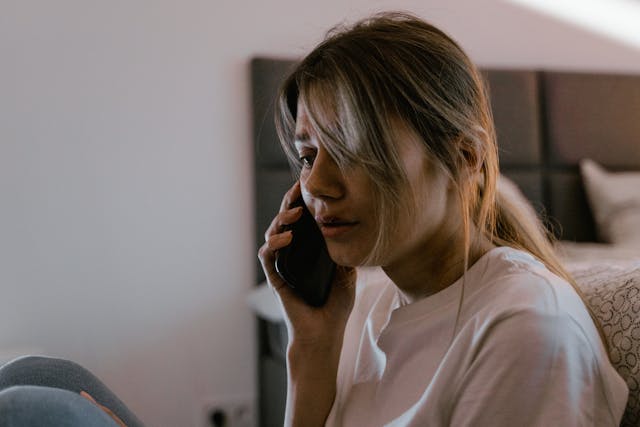
Domestic Violence Awareness Month happens every October. It’s a special time to learn about domestic violence, support survivors, and spread hope. This month, people come together to talk about what domestic violence is, how it affects families, and what we can do to stop it. In this blog post, we’ll explore why this month matters, share stories, and give ideas on how everyone can help. Let’s dive in!
Table of Contents
What Is Domestic Violence Awareness Month?
Domestic Violence Awareness Month started in 1981. It began as a way to bring attention to abuse in homes. Back then, people didn’t talk about it much. Many thought it was a private matter. However, activists wanted to change that. They created this month to show that domestic violence is a big problem. Now, every October, we focus on helping survivors and teaching others how to stop abuse.
During this month, communities hold events like walks, talks, and fundraisers. For example, purple ribbons are worn to show support. Purple is the official color of Domestic Violence Awareness Month. Also, organizations share facts to teach people about abuse. As a result, more people understand how to help.
Why Domestic Violence Awareness Month Matters
Domestic violence happens when someone hurts or controls a family member or partner. It can be physical, like hitting, or emotional, like name-calling. Sometimes, it’s both. Sadly, it affects millions of people. According to the National Domestic Violence Hotline, 1 in 4 women and 1 in 9 men experience some form of domestic violence in their lifetime. Therefore, we need to talk about it.
Domestic Violence Awareness Month is important because it helps people feel less alone. Survivors learn they’re not to blame. Also, it teaches everyone how to spot abuse. For instance, if a friend seems scared of their partner, that’s a warning sign. By spreading awareness, we can save lives.
History of Domestic Violence Awareness Month
The idea for Domestic Violence Awareness Month came from the National Coalition Against Domestic Violence (NCADV). In 1981, they started a “Day of Unity” to bring people together. Later, this grew into a whole month. By 1989, Congress made it official. Now, every October, the world joins in. For example, schools teach kids about healthy relationships. Meanwhile, organizations share resources to help survivors escape abuse.
Over the years, this month has grown bigger. Today, social media plays a huge role. People use hashtags like #DVAM to share stories. Consequently, more people learn about the issue. Also, celebrities often join in to spread the message.
Understanding Domestic Violence
Domestic violence isn’t just hitting or yelling. It can also be controlling someone’s money, stopping them from seeing friends, or making them feel worthless. In fact, abuse can happen to anyone—men, women, kids, or even grandparents. Therefore, understanding it is the first step to stopping it.
Here are some types of domestic violence:
- Physical Abuse: Hitting, pushing, or hurting someone’s body.
- Emotional Abuse: Saying mean things to make someone feel bad.
- Financial Abuse: Controlling someone’s money or job.
- Sexual Abuse: Forcing someone into unwanted actions.
During Domestic Violence Awareness Month, we learn about these types. As a result, we can help people who are hurting.
Signs of Domestic Violence
Sometimes, abuse is hard to spot. For example, someone might seem happy but be scared inside. Here are some signs to watch for:
- They have bruises or injuries they can’t explain.
- They seem afraid of their partner.
- They stop hanging out with friends or family.
- They act nervous or sad all the time.
If you notice these signs, don’t ignore them. Instead, talk to a trusted adult or call a helpline. During Domestic Violence Awareness Month, many groups share numbers to call for help, like the National Domestic Violence Hotline at 1-800-799-SAFE.
Who Does Domestic Violence Affect?
Domestic violence can happen to anyone. It doesn’t matter if you’re rich, poor, young, or old. However, some groups face it more often. For example, women are more likely to experience abuse than men. Also, kids in abusive homes often feel scared or hurt. According to the CDC, about 41% of women and 26% of men have faced some form of partner violence.
Kids are also affected. They might see or hear the abuse. As a result, they could feel anxious or have trouble in school. During Domestic Violence Awareness Month, we focus on helping these kids, too.
How to Support Domestic Violence Awareness Month
Everyone can help during Domestic Violence Awareness Month. You don’t need to be an expert. Here are some simple ways to get involved:
- Wear Purple:Purple shows you care about ending abuse. Wear a purple ribbon or shirt.
- Share Stories:Post about Domestic Violence Awareness Month on social media. Use hashtags like #DVAM.
- Learn More:Read about domestic violence. Websites like NCADV have great information.
- Donate:Give money or items to shelters. They need clothes, toys, or food for survivors.
- Volunteer:Help at local events or shelters. Even a few hours can make a difference.
By doing these things, you show survivors they’re not alone. Also, you help spread the word.
Events During Domestic Violence Awareness Month
Every October, communities host fun and meaningful events. For instance, many cities have “Walk a Mile in Her Shoes” events. Men wear high heels to show support for women survivors. Also, candlelight vigils honor those who didn’t survive abuse. Check your local community center or the NCADV events page for activities near you.
Schools also join in. They might have assemblies or art contests. For example, kids can draw posters about healthy relationships. As a result, young people learn how to treat others with kindness.
Supporting Survivors
Survivors need love and support. If someone you know is a survivor, listen to them. Don’t judge or blame them. Instead, say things like, “I’m here for you” or “You don’t deserve this.” Also, help them find resources. For example, the Women’s Aid website has tips for staying safe.
During Domestic Violence Awareness Month, many survivors share their stories. These stories inspire others to get help. For instance, some write books or speak at events. Their courage helps others feel brave, too.
How to Prevent Domestic Violence
Stopping domestic violence starts with education. For example, teaching kids about respect can prevent abuse later. Schools and parents can talk about healthy relationships. This means showing kids how to solve problems without yelling or hitting.
Also, communities can offer support. For instance, counseling programs help people learn to control anger. Meanwhile, laws can protect survivors. In the U.S., the Violence Against Women Act provides money for shelters and hotlines.
During Domestic Violence Awareness Month, we focus on prevention. By teaching respect and kindness, we can stop abuse before it starts.
Resources for Help
If you or someone you know needs help, there are many resources. Here are a few:
- National Domestic Violence Hotline: Call 1-800-799-SAFE or visit their website.
- Love is Respect: A helpline for teens at loveisrespect.org or 1-866-331-9474.
- Local Shelters: Search for shelters near you on DomesticShelters.org.
These groups are ready to help any time. Therefore, don’t be afraid to reach out.
Domestic Violence Awareness Month: Spreading Hope and Help
FAQs About Domestic Violence Awareness Month
What is Domestic Violence Awareness Month?
It’s a month in October to learn about domestic violence, support survivors, and stop abuse.
Why is purple the color for Domestic Violence Awareness Month?
Purple stands for courage, survival, and hope. It’s a way to honor survivors.
How can kids help during Domestic Violence Awareness Month?
Kids can wear purple, draw posters, or learn about healthy relationships with friends.
Where can I find help for domestic violence?
Call 1-800-799-SAFE or visit thehotline.org for help any time.
Conclusion
Domestic Violence Awareness Month is a time to come together. We can learn, share, and help others. By wearing purple, joining events, or supporting survivors, everyone can make a difference. Most importantly, we show survivors they’re not alone. Let’s keep talking about domestic violence—not just in October, but all year. Together, we can create a world where everyone feels safe and loved.


