Sustainability and Transformation Plans in Hampton Roads VA Guide
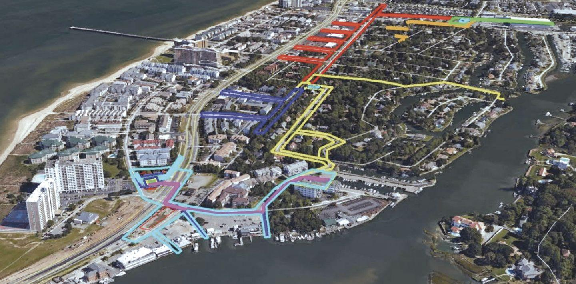
Sustainability and transformation plans in Hampton Roads VA are becoming one of the most important topics for local families, businesses, schools, and government leaders. Every community wants a cleaner environment, a stronger economy, safer neighborhoods, and better opportunities for future generations. Because Hampton Roads sits near the Atlantic Ocean, the region also faces challenges like flooding, rising sea levels, aging infrastructure, and changing economic needs.
Today, local leaders understand that short-term solutions are no longer enough. Instead, they need long-term strategies that balance environmental care, economic growth, and community well-being. That is exactly where sustainability and transformation plans make a real difference.
These plans help cities reduce waste, save energy, improve transportation, protect natural resources, create jobs, and prepare for future challenges. Moreover, they encourage businesses, nonprofits, schools, and residents to work together toward common goals.
Whether you live in Norfolk, Virginia Beach, Chesapeake, Hampton, Newport News, Portsmouth, Suffolk, Poquoson, Williamsburg, Franklin, or Isle of Wight County, sustainability affects your daily life. Better roads, cleaner parks, efficient buildings, reliable public transportation, renewable energy, and healthy waterways all support a stronger Hampton Roads.
This guide explains everything you need to know. You’ll learn how sustainability plans work, why they matter, what successful communities are doing, and how Hampton Roads can continue building a brighter future.
Table of Contents
Sustainability and Transformation Plans Overview Table
| Focus Area | Current Challenge | Possible Solution | Long-Term Benefit |
| Flooding | Rising sea levels | Better drainage systems | Safer neighborhoods |
| Transportation | Heavy traffic | Public transit improvements | Less congestion |
| Energy | High electricity costs | Solar and wind energy | Lower utility bills |
| Economy | Workforce shortages | Green job training | More employment |
| Waste | Growing landfill use | Recycling programs | Cleaner communities |
| Water | Flood management | Stormwater projects | Better water quality |
| Housing | Older buildings | Energy-efficient upgrades | Lower maintenance costs |
| Environment | Habitat loss | Wetland restoration | Stronger ecosystems |
What Are Sustainability and Transformation Plans?
Sustainability and transformation plans are long-term roadmaps that help communities improve their future. Instead of solving one problem at a time, these plans connect many important goals into one strategy.
For example, a city might improve roads while also reducing pollution. Likewise, it can build affordable homes that save energy. As a result, residents enjoy better living conditions without harming natural resources.
These plans usually focus on:
- Environmental protection
- Economic growth
- Community health
- Better transportation
- Modern infrastructure
- Renewable energy
- Water conservation
- Disaster preparedness
- Smart technology
- Workforce development
Because every community has different needs, each sustainability plan looks different.
Why Sustainability and Transformation Plans Matter in Hampton Roads VA
Hampton Roads is one of America’s most unique coastal regions. It includes major military installations, shipping ports, universities, tourism centers, and growing neighborhoods.
However, the area also faces several major challenges.
These include:
- Coastal flooding
- Sea-level rise
- Hurricane risks
- Aging roads
- Older public buildings
- Traffic congestion
- Infrastructure maintenance
- Population growth
Therefore, local governments continue investing in sustainability and transformation plans that prepare communities for future success.
Rather than reacting after problems happen, these plans encourage proactive solutions.
The Three Pillars of Sustainability and Transformation Plans
Every successful sustainability plan rests on three important pillars.
Environmental Sustainability
Environmental sustainability protects natural resources.
Examples include:
- Planting trees
- Restoring wetlands
- Saving water
- Protecting wildlife
- Reducing pollution
- Improving recycling
Healthy ecosystems support healthier communities.
Economic Sustainability
Strong economies create opportunities.
Communities encourage:
- Small businesses
- Green industries
- Workforce training
- Innovation
- Tourism
- Local investment
Consequently, families gain better employment opportunities.
Social Sustainability
Communities also focus on people.
They work toward:
- Better healthcare
- Affordable housing
- Safe neighborhoods
- Equal opportunities
- Public parks
- Community engagement
As a result, residents enjoy higher quality of life.
Why Hampton Roads Faces Unique Sustainability Challenges
Unlike many inland cities, Hampton Roads sits close to the Atlantic Ocean.
Because of this location, the region experiences:
- High tides
- Flood-prone roads
- Storm surges
- Coastal erosion
- Saltwater intrusion
- Infrastructure stress
Therefore, local planning must consider both today’s needs and tomorrow’s risks.
Sustainability and Transformation Plans Help Reduce Flood Risks
Flooding affects many neighborhoods across Hampton Roads.
Fortunately, better planning reduces damage.
Communities now invest in:
- Larger drainage systems
- Green infrastructure
- Rain gardens
- Flood barriers
- Wetland restoration
- Better stormwater management
These improvements protect homes while improving local ecosystems.
Improving Transportation Through Sustainability and Transformation Plans
Traffic remains one of the biggest concerns for Hampton Roads residents.
Fortunately, sustainability planning encourages smarter transportation choices.
These include:
- Expanded bus routes
- Bicycle lanes
- Walking trails
- Electric buses
- Smart traffic signals
- Better road maintenance
Together, these improvements reduce travel time and improve air quality.
Supporting Renewable Energy Growth
Renewable energy plays a growing role in Hampton Roads.
Communities continue exploring:
- Offshore wind farms
- Rooftop solar panels
- Community solar projects
- Energy storage
- Smart electric grids
These investments lower carbon emissions while creating local jobs.
Energy-Efficient Buildings Save Money
Buildings consume large amounts of energy every year.
Therefore, many sustainability and transformation plans encourage better building practices.
Examples include:
- LED lighting
- Better insulation
- Smart thermostats
- Efficient heating systems
- Modern cooling equipment
- Water-saving fixtures
These improvements reduce monthly utility bills for homeowners and businesses.
Local Businesses Play an Important Role
Businesses contribute greatly to community sustainability.
Many companies now:
- Reduce waste
- Improve recycling
- Lower energy use
- Install solar panels
- Support local suppliers
- Encourage remote work
Meanwhile, customers increasingly support environmentally responsible companies.
Schools Help Build Sustainable Communities
Education creates lasting change.
Schools teach students about:
- Recycling
- Energy conservation
- Healthy ecosystems
- Climate awareness
- Community service
- Responsible resource use
Young people often inspire their families to adopt sustainable habits.
Smart Technology Supports Sustainability
Technology continues improving city services.
Examples include:
- Smart streetlights
- Traffic sensors
- Water monitoring
- Air-quality monitoring
- Digital city planning
- Emergency alert systems
These tools help communities make better decisions using real-time information.
Protecting Natural Habitats
Hampton Roads contains valuable wetlands, rivers, forests, and coastal habitats.
Protecting these areas supports:
- Wildlife
- Fisheries
- Tourism
- Flood protection
- Water quality
- Recreation
Healthy ecosystems also strengthen local economies.
Waste Reduction Creates Cleaner Communities
Every community produces waste.
Fortunately, better planning reduces landfill use.
Successful programs encourage:
- Recycling
- Composting
- Reusable products
- Food waste reduction
- Community cleanup events
- Plastic reduction
Even small actions make a noticeable difference over time.
Water Conservation Matters More Than Ever
Although Hampton Roads receives regular rainfall, water conservation remains important.
Communities promote:
- Rain barrels
- Efficient irrigation
- Leak detection
- Low-flow fixtures
- Water education
- Smart landscaping
These efforts help protect valuable water resources.
Building Strong Community Partnerships
No sustainability plan succeeds alone.
Instead, success depends on partnerships among:
- Local governments
- Businesses
- Schools
- Universities
- Nonprofits
- Volunteers
- Residents
When everyone works together, communities achieve lasting results much faster.
Sustainability and Transformation Plans Create Strong Local Economies
A healthy economy supports every part of a community. Therefore, sustainability and transformation plans help Hampton Roads create long-term economic growth instead of depending only on short-term success.
Local leaders encourage businesses to invest in cleaner technology, modern equipment, and energy-saving buildings. As a result, companies often lower operating costs while improving productivity.
These plans also help attract new investors because many businesses now prefer communities that care about sustainability.
Benefits include:
- More business investment
- Better job opportunities
- Lower operating costs
- Higher property values
- Increased tourism
- Greater community confidence
Sustainability and Transformation Plans Support Small Businesses
Small businesses are the heart of Hampton Roads.
Because of that, sustainability planning includes support for local entrepreneurs.
Business owners can:
- Install energy-efficient lighting
- Reduce packaging waste
- Buy from local suppliers
- Improve recycling programs
- Offer eco-friendly products
- Save water through efficient equipment
These simple improvements often reduce monthly expenses while attracting environmentally conscious customers.
For example, a neighborhood coffee shop that switches to LED lighting and reusable serving products can lower electricity bills and reduce waste at the same time.
Sustainability and Transformation Plans Improve Public Infrastructure
Strong infrastructure helps every resident.
Therefore, Hampton Roads continues improving:
- Roads
- Bridges
- Sidewalks
- Public buildings
- Parks
- Utilities
- Water systems
- Stormwater drainage
Modern infrastructure lasts longer and costs less to maintain.
Additionally, improved infrastructure makes neighborhoods safer during heavy storms and flooding events.
Sustainability and Transformation Plans Encourage Green Jobs
Green jobs continue growing across Virginia.
These careers include:
- Solar panel installation
- Wind turbine maintenance
- Environmental engineering
- Energy auditing
- Building efficiency consulting
- Recycling management
- Water treatment
- Urban forestry
As more companies invest in sustainability, local workers gain access to stable careers with long-term growth.
Many community colleges now offer training programs that prepare students for these industries.
Sustainability and Transformation Plans Improve Public Health
Healthy environments support healthy people.
Cleaner air and cleaner water reduce many health risks.
Communities benefit from:
- More walking trails
- Better bike paths
- Cleaner parks
- Reduced pollution
- Improved drinking water
- More green spaces
Consequently, residents enjoy healthier lifestyles while reducing healthcare costs over time.
Children especially benefit from cleaner outdoor environments where they can safely play and exercise.
Sustainability and Transformation Plans Protect Coastal Communities
Hampton Roads sits along one of America’s most important coastlines.
Because sea levels continue changing, coastal protection remains a major priority.
Communities now invest in:
- Living shorelines
- Wetland restoration
- Natural flood barriers
- Elevated infrastructure
- Improved drainage
- Flood-resilient construction
These projects help reduce flood damage while protecting wildlife habitats.
Sustainability and Transformation Plans Encourage Smart Growth
Smart growth means building communities carefully instead of expanding without planning.
Good planning includes:
- Mixed-use neighborhoods
- Walkable communities
- Public transportation access
- Green spaces
- Affordable housing
- Safe streets
Residents enjoy shorter travel times while businesses gain more customers nearby.
Sustainability and Transformation Plans Reduce Energy Costs
Energy prices often change throughout the year.
Fortunately, sustainability planning helps families save money.
Energy-saving improvements include:
- Better insulation
- Smart thermostats
- Energy-efficient windows
- LED lighting
- Solar energy
- Efficient appliances
Over time, these improvements reduce monthly utility bills.
Many homeowners also qualify for energy efficiency incentives offered through state and federal programs.
Sustainability and Transformation Plans Strengthen Emergency Preparedness
Natural disasters can happen at any time.
Therefore, preparation becomes an important part of every sustainability strategy.
Communities improve:
- Emergency communication
- Evacuation routes
- Backup power systems
- Disaster response planning
- Emergency shelters
- Flood warning systems
Prepared communities recover faster after storms.
Sustainability and Transformation Plans Build Better Neighborhoods
People want neighborhoods where they feel safe, comfortable, and connected.
Sustainability planning encourages:
- Community gardens
- Public parks
- Tree planting
- Safe sidewalks
- Bicycle paths
- Recreation areas
These improvements increase neighborhood pride while encouraging healthy outdoor activities.
Sustainability and Transformation Plans Promote Responsible Land Use
Land is one of Hampton Roads’ most valuable resources.
Good planning helps communities balance:
- Residential development
- Business growth
- Agriculture
- Conservation
- Recreation
- Wildlife protection
Instead of overbuilding one area, planners carefully manage future growth.
Sustainability and Transformation Plans Encourage Innovation
Innovation helps solve modern challenges.
Communities now explore:
- Smart city technology
- Artificial intelligence for traffic management
- Digital flood monitoring
- Renewable energy storage
- Electric vehicle charging
- Advanced recycling systems
Technology helps leaders make faster and smarter decisions.
Sustainability and Transformation Plans Improve Water Quality
Clean water supports both people and wildlife.
Communities continue protecting rivers, streams, and the Chesapeake Bay by reducing pollution.
Projects include:
- Rain gardens
- Stormwater management
- Stream restoration
- Wetland conservation
- Better wastewater treatment
- Public education
These efforts improve fishing, tourism, and recreation across Hampton Roads.
Sustainability and Transformation Plans Increase Community Participation
Successful sustainability begins with community involvement.
Residents contribute by:
- Attending public meetings
- Volunteering
- Joining cleanup events
- Recycling
- Conserving energy
- Supporting local businesses
Every small action creates positive change.
When thousands of residents participate, communities achieve remarkable results.
Sustainability and Transformation Plans Create Long-Term Value
Unlike temporary projects, sustainability investments continue providing benefits for many years.
Examples include:
- Lower maintenance costs
- Stronger infrastructure
- Healthier communities
- Better education
- Increased tourism
- Stable economic growth
Therefore, many experts describe sustainability planning as one of the smartest long-term investments communities can make.
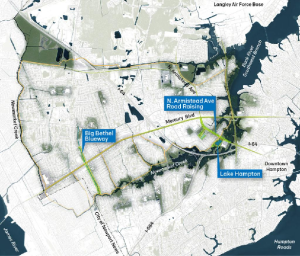
Real-Life Example: Virginia Beach Flood Adaptation
Virginia Beach has experienced recurring tidal flooding in several neighborhoods.
To address this challenge, the city has invested in:
- Improved drainage systems
- Pump stations
- Flood monitoring
- Road improvements
- Stormwater management projects
As a result, many neighborhoods now experience fewer flooding problems during heavy rain and high tides.
This example shows how sustainability and transformation plans help communities prepare for future challenges instead of simply reacting after disasters occur.
Real-Life Example: Norfolk’s Resilience Planning
Norfolk has become nationally recognized for resilience planning.
Local leaders continue working on:
- Flood resilience
- Waterfront protection
- Infrastructure improvements
- Community partnerships
- Green infrastructure
These efforts help protect homes, businesses, military facilities, and transportation systems.
Norfolk demonstrates how long-term planning creates stronger communities.
Expert Advice
Urban planners and sustainability experts often recommend these practical steps:
- Begin with clear community goals.
- Collect accurate local data.
- Involve residents from the beginning.
- Invest in projects with long-term value.
- Protect natural resources whenever possible.
- Upgrade infrastructure before major failures occur.
- Measure progress every year.
- Continue improving based on new information.
Experts agree that communities achieve the best results when government, businesses, schools, and residents work together.
Sustainability and Transformation Plans Encourage Regional Cooperation
Hampton Roads is made up of many cities and counties. Therefore, one community cannot solve every challenge alone.
Instead, sustainability and transformation plans encourage cities to work together.
Regional cooperation helps improve:
- Flood protection
- Transportation
- Emergency response
- Environmental conservation
- Economic development
- Workforce training
When local governments share ideas and resources, projects often finish faster and cost less.
Sustainability and Transformation Plans Support Military Communities
Hampton Roads is home to one of the largest military communities in the United States.
Military installations need reliable roads, clean water, dependable energy, and strong infrastructure.
Because of this, sustainability planning helps by:
- Improving transportation routes
- Reducing flood risks near military facilities
- Strengthening energy reliability
- Supporting nearby businesses
- Improving community resilience
These improvements benefit both military families and local residents.
Sustainability and Transformation Plans Improve Tourism
Tourism is an important part of the Hampton Roads economy.
Visitors enjoy beaches, parks, museums, waterfront attractions, and historic sites.
Therefore, sustainability planning helps protect these attractions through:
- Beach conservation
- Cleaner public spaces
- Improved transportation
- Better visitor facilities
- Environmental education
- Waterfront protection
A cleaner destination attracts more visitors throughout the year.
Sustainability and Transformation Plans Encourage Affordable Housing Improvements
Many families want homes that are both affordable and energy efficient.
Local planning encourages:
- Better building insulation
- Efficient heating and cooling
- Water-saving fixtures
- Smart home technology
- Sustainable construction materials
These improvements lower monthly utility bills while making homes more comfortable.
Sustainability and Transformation Plans Help Farmers and Local Food Systems
Although Hampton Roads is known for its coastal communities, nearby farms also play an important role.
Sustainability planning supports agriculture by encouraging:
- Soil conservation
- Efficient irrigation
- Local farmers markets
- Crop diversity
- Reduced food waste
As a result, families enjoy fresher food while supporting local businesses.
Sustainability and Transformation Plans Improve Digital Infrastructure
Modern communities depend on fast internet and reliable communication.
Therefore, many sustainability plans include:
- Broadband expansion
- Smart traffic systems
- Digital public services
- Online education
- Remote work support
- Cybersecurity improvements
Digital infrastructure strengthens both the economy and public services.
Sustainability and Transformation Plans Support Education and Workforce Development
Preparing future workers is essential.
Schools, colleges, and businesses can work together by offering:
- Technical training
- Apprenticeships
- Internship programs
- Renewable energy education
- Environmental science courses
- Skilled trades training
These opportunities prepare students for high-demand careers.
Sustainability and Transformation Plans Encourage Responsible Spending
Every city has a limited budget.
Therefore, leaders must choose projects that provide long-term value.
Examples include:
- Preventive infrastructure maintenance
- Energy-efficient buildings
- Flood protection projects
- Public transportation improvements
- Water conservation systems
Although these investments require funding today, they often reduce future repair costs.
Sustainability and Transformation Plans Promote Cleaner Air
Air quality affects everyone’s health.
Communities improve air quality by encouraging:
- Public transportation
- Walking
- Cycling
- Electric vehicles
- Tree planting
- Cleaner industrial practices
Cleaner air benefits children, older adults, and people with breathing conditions.
Sustainability and Transformation Plans Encourage Waste Reduction in Businesses
Businesses can reduce waste without reducing profits.
Simple ideas include:
- Recycling office materials
- Digital paperwork
- Reusable shipping containers
- Composting food waste
- Energy-efficient equipment
- Water conservation
Many companies discover that sustainability also saves money.
Advantages of Sustainability and Transformation Plans
Every long-term plan offers important benefits.
Major Advantages
✔ Cleaner environment
✔ Better public health
✔ Lower energy costs
✔ More green jobs
✔ Stronger economy
✔ Better transportation
✔ Flood resilience
✔ Increased tourism
✔ Higher property values
✔ Improved quality of life
✔ More community partnerships
✔ Long-term financial savings
Disadvantages of Sustainability and Transformation Plans
Communities should also understand possible challenges.
Possible Disadvantages
- Large projects may require significant funding.
- Some improvements take years to complete.
- Construction can temporarily affect traffic.
- Technology upgrades require ongoing maintenance.
- Some residents may resist change.
- Planning requires cooperation between many organizations.
Fortunately, careful planning helps reduce many of these challenges.
Comparison Chart of Traditional Planning vs Sustainability Planning
| Feature | Traditional Planning | Sustainability and Transformation Plans |
| Focus | Short-term projects | Long-term community growth |
| Energy | Higher energy use | Energy efficiency |
| Transportation | Road expansion only | Multiple transportation choices |
| Environment | Limited protection | Strong environmental focus |
| Economy | Immediate growth | Balanced long-term growth |
| Flood Protection | Reactive repairs | Proactive planning |
| Public Participation | Limited | Strong community involvement |
| Technology | Basic systems | Smart city technology |
Case Study – Norfolk’s Coastal Resilience
Norfolk has become one of the nation’s leading cities for resilience planning.
Community leaders identified flooding as a long-term challenge.
Their strategy included:
- Improved flood mapping
- Green infrastructure
- Updated stormwater systems
- Community education
- Public-private partnerships
Lessons learned:
- Planning early reduces future costs.
- Residents support projects when they understand the benefits.
- Nature-based solutions often work alongside engineered solutions.
Case Study – Virginia Beach Environmental Improvements
Virginia Beach has invested in projects that protect beaches and waterways.
Efforts include:
- Water quality monitoring
- Beach restoration
- Stormwater improvements
- Wetland protection
- Community education
These projects help protect tourism, wildlife, and local businesses.
Case Study – Local Business Energy Savings
Imagine a family-owned restaurant in Hampton Roads.
The owners decide to:
- Replace old lighting with LED bulbs.
- Install energy-efficient kitchen equipment.
- Reduce food waste through better inventory management.
- Recycle cardboard and cooking oil.
Within a year, the restaurant lowers operating costs and attracts customers who appreciate environmentally friendly businesses.
This example shows that sustainability and transformation plans are not only for governments—they also help local businesses succeed.
Expert Tips for Successful Sustainability Projects
Experts recommend several practical steps for communities:
- Set clear and measurable goals.
- Listen to residents and local businesses.
- Start with projects that offer quick benefits.
- Use reliable data when making decisions.
- Review progress every year.
- Adjust plans as community needs change.
- Protect natural resources during development.
- Invest in education and workforce training.
- Encourage partnerships across the region.
- Celebrate successful projects to inspire future improvements.
Sustainability and Transformation Plans Prepare Hampton Roads for the Future
The future of Hampton Roads depends on smart decisions made today. Because the region faces environmental, economic, and social challenges, communities need clear strategies that protect residents while supporting growth.
Sustainability and transformation plans in Hampton Roads VA provide a roadmap for creating safer neighborhoods, stronger businesses, cleaner environments, and better opportunities.
These plans are not only about protecting nature. Instead, they connect many areas of life, including transportation, housing, energy, education, technology, and economic development.
As the region continues to grow, sustainable planning will become even more important.
Sustainability and Transformation Plans Support Climate Resilience
Climate resilience means preparing communities for future environmental changes.
Hampton Roads faces risks such as:
- Rising sea levels
- Strong storms
- Coastal flooding
- Extreme weather
- Infrastructure damage
Therefore, climate resilience has become a major part of local planning.
Communities can improve resilience by:
- Protecting wetlands
- Improving drainage
- Updating infrastructure
- Creating emergency plans
- Using climate-friendly building methods
These actions help residents stay safer during future challenges.
Sustainability and Transformation Plans Create Smarter Cities
Smart cities use technology to improve daily life.
Hampton Roads can continue developing smarter systems through:
- Traffic monitoring
- Digital government services
- Smart energy networks
- Water management technology
- Emergency communication systems
For example, smart traffic signals can reduce delays and lower vehicle emissions.
Likewise, smart water systems can identify leaks quickly and prevent waste.
Sustainability and Transformation Plans Encourage Green Transportation
Transportation affects both the economy and environment.
Future transportation improvements may include:
- Electric buses
- More bike paths
- Better sidewalks
- Public transit expansion
- Electric vehicle charging stations
- Improved regional connections
These changes can reduce traffic problems while creating cleaner communities.
Sustainability and Transformation Plans Improve Food Sustainability
Food systems are an important part of community planning.
Sustainable food strategies include:
- Supporting local farms
- Reducing food waste
- Expanding community gardens
- Increasing farmers markets
- Encouraging local food purchases
As a result, communities become more independent and healthier.
Sustainability and Transformation Plans Support Environmental Education
Education creates long-term change.
Schools and community organizations can teach:
- Recycling habits
- Energy conservation
- Climate awareness
- Wildlife protection
- Responsible consumption
Young people who learn sustainability skills today become future leaders.
Sustainability and Transformation Plans Increase Public Awareness
Successful plans require people to understand why changes matter.
Public awareness campaigns can explain:
- Why recycling helps
- How energy savings reduce costs
- Why flood preparation matters
- How residents can participate
When people understand the benefits, they are more likely to support improvements.
Sustainability and Transformation Plans Encourage Green Building Design
Buildings influence energy use and community comfort.
Future sustainable buildings may include:
- Solar panels
- Natural lighting
- Efficient heating systems
- Green roofs
- Better insulation
- Water-saving technology
These designs reduce costs and improve indoor comfort.
Sustainability and Transformation Plans Create Stronger Partnerships
No single organization can solve every challenge.
Successful partnerships include:
- City governments
- Universities
- Businesses
- Nonprofits
- Residents
- Environmental groups
Together, these groups can share knowledge and resources.
Sustainability and Transformation Plans Help Protect Natural Resources
Natural resources support life and economic activity.
Important resources include:
- Rivers
- Beaches
- Forests
- Wetlands
- Wildlife areas
Protecting these resources supports tourism, recreation, and community health.
Sustainability and Transformation Plans Improve Quality of Life
A sustainable community is a better place to live.
Residents benefit from:
- Cleaner neighborhoods
- Safer streets
- More green spaces
- Better transportation
- Lower energy costs
- Stronger local economies
Therefore, sustainability planning improves daily life for everyone.
Sustainability and Transformation Plans Encourage Resident Action
Residents play a major role in creating change.
Simple actions include:
- Using less electricity
- Recycling correctly
- Planting trees
- Walking or biking when possible
- Supporting local businesses
- Reducing plastic waste
- Saving water
Small choices become powerful when thousands of people participate.
Sustainability and Transformation Plans Offer Long-Term Solutions
Short-term fixes often solve only immediate problems.
However, long-term planning creates lasting benefits.
Strong plans focus on:
- Prevention
- Innovation
- Education
- Cooperation
- Smart investment
This approach helps Hampton Roads remain strong for future generations.
Future Opportunities for Hampton Roads Sustainability
The region has many opportunities ahead.
Future projects may focus on:
- Offshore wind energy
- Coastal restoration
- Clean transportation
- Advanced technology
- Green industries
- Sustainable tourism
- Climate research
These opportunities can create jobs while protecting the environment.
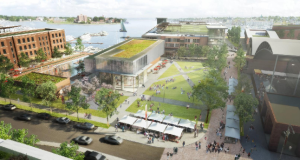
Sustainability and Transformation Plans in Hampton Roads VA Guide
Frequently Asked Questions About Sustainability and Transformation Plans in Hampton Roads VA
- What are sustainability and transformation plans in Hampton Roads VA?
Sustainability and transformation plans in Hampton Roads VA are long-term strategies designed to improve environmental protection, economic growth, infrastructure, and community health.
- Why does Hampton Roads need sustainability plans?
Hampton Roads needs these plans because the region faces challenges such as flooding, sea-level rise, transportation problems, and population growth.
- Who creates sustainability and transformation plans?
Local governments, businesses, universities, community groups, and residents often work together to create these plans.
- How do sustainability plans help residents?
They improve transportation, reduce energy costs, protect neighborhoods, and create healthier living environments.
- Can sustainability plans create jobs?
Yes. They support careers in renewable energy, construction, technology, environmental services, and infrastructure.
- How do sustainability plans reduce flooding?
They use solutions such as better drainage systems, wetland restoration, flood barriers, and improved planning.
- Are sustainability plans expensive?
Some projects require large investments. However, they often save money over time by preventing damage and reducing operating costs.
- How can businesses support sustainability?
Businesses can reduce waste, save energy, use efficient equipment, and support environmentally responsible practices.
- How can residents participate?
Residents can recycle, save energy, attend community meetings, volunteer, and support sustainable programs.
- Do sustainability plans help the economy?
Yes. They attract investment, create jobs, and support innovative industries.
- What role does renewable energy play?
Renewable energy helps reduce pollution, lower energy costs, and create new economic opportunities.
- How do sustainability plans improve transportation?
They encourage public transit, walking, biking, electric vehicles, and smarter traffic systems.
- Are sustainability plans only about the environment?
No. They also focus on economic growth, public health, housing, technology, and community development.
- How do schools support sustainability?
Schools teach students about conservation, recycling, environmental science, and responsible choices.
- What are the biggest challenges of sustainability planning?
Common challenges include funding, public acceptance, project timelines, and coordination between organizations.
- How do sustainability plans support coastal areas?
They protect coastlines through restoration projects, flood preparation, and better infrastructure.
- Can small communities use sustainability plans?
Yes. Communities of all sizes can create sustainability strategies based on their own needs.
- How does technology help sustainability?
Technology improves energy use, transportation systems, communication, and environmental monitoring.
- What is the future of sustainability in Hampton Roads?
The future will likely include cleaner energy, stronger infrastructure, smarter technology, and increased community cooperation.
- Why are sustainability and transformation plans important?
They help Hampton Roads prepare for future challenges while creating healthier, safer, and more successful communities.
External Resources for Sustainability and Transformation Plans in Hampton Roads VA
Below are reliable external resources that can support readers who want to learn more about sustainability, climate resilience, transportation improvements, environmental protection, and community transformation in Hampton Roads VA.
- Hampton Roads Planning District Commission (HRPDC)
Resource: Regional planning, environmental programs, transportation, coastal resilience, and community development initiatives.
Hampton Roads Planning District Commission
- Hampton Roads Community Foundation
Resource: Supports regional partnerships, community improvement projects, economic development, and quality-of-life initiatives across Hampton Roads.
Hampton Roads Community Foundation
- Virginia Department of Environmental Quality (DEQ)
Resource: Provides information about clean energy, water protection, air quality, waste reduction, and environmental programs across Virginia.
Virginia Department of Environmental Quality
- Virginia Energy
Resource: Offers information about renewable energy, energy efficiency programs, clean energy development, and energy planning.
Virginia Energy
- Virginia Coastal Zone Management Program
Resource: Provides coastal planning information, shoreline protection strategies, habitat conservation, and climate adaptation resources.
Virginia Coastal Zone Management Program
- City of Norfolk Resilience Programs
Resource: Learn about coastal resilience projects, flood protection efforts, infrastructure improvements, and climate adaptation programs.
City of Norfolk
- City of Virginia Beach Sustainability Programs
Resource: Provides information about environmental programs, energy conservation, coastal protection, and sustainability projects.
City of Virginia Beach Sustainability
- City of Chesapeake Environmental Programs
Resource: Offers resources related to conservation, stormwater management, green initiatives, and community sustainability.
City of Chesapeake
- City of Newport News Environmental Services
Resource: Provides information about recycling, environmental protection, water resources, and sustainability efforts.
City of Newport News
- U.S. Environmental Protection Agency (EPA) Sustainability Resources
Resource: Offers national guidance on sustainability practices, environmental protection, climate solutions, and community programs.
U.S. Environmental Protection Agency Sustainability Resources
- National Oceanic and Atmospheric Administration (NOAA) Climate Resources
Resource: Provides climate data, sea-level rise information, coastal science, and weather research.
National Oceanic and Atmospheric Administration Climate Resources
- U.S. Department of Energy Energy Efficiency Resources
Resource: Provides guidance on energy savings, renewable energy, efficient buildings, and clean technology.
U.S. Department of Energy Energy Efficiency Resources
- Chesapeake Bay Program
Resource: Regional partnership focused on protecting the Chesapeake Bay through restoration, pollution reduction, and conservation programs.
Chesapeake Bay Program
- Virginia Department of Transportation (VDOT)
Resource: Provides transportation planning, infrastructure improvement projects, traffic management, and sustainable transportation information.
Virginia Department of Transportation
- Virginia Institute of Marine Science (VIMS)
Resource: Provides research on coastal ecosystems, sea-level rise, shoreline management, and environmental changes affecting coastal Virginia.
Virginia Institute of Marine Science
These resources can strengthen the credibility of an article about Sustainability and Transformation Plans in Hampton Roads VA by connecting readers with government agencies, research institutions, and trusted sustainability organizations.
Conclusion
Sustainability and transformation plans in Hampton Roads VA provide a clear path toward a stronger future. These plans help communities manage environmental challenges while supporting economic growth and improving quality of life.
Because Hampton Roads is a coastal region, preparation is essential. Flooding, climate risks, transportation needs, and population growth require thoughtful solutions.
However, the region also has many opportunities. Renewable energy, smart technology, green jobs, stronger partnerships, and community involvement can create lasting progress.
Most importantly, sustainability is not only the responsibility of governments. Residents, businesses, schools, and organizations all play an important role.
By working together, Hampton Roads can build communities that are cleaner, safer, healthier, and ready for future generations.
A sustainable future does not happen overnight. Instead, it grows through careful planning, cooperation, and everyday actions.
That is why sustainability and transformation plans in Hampton Roads VA will continue to be an essential part of creating a successful and resilient region.