Dragon Blood Tree: The Magical Tree That Bleeds Red
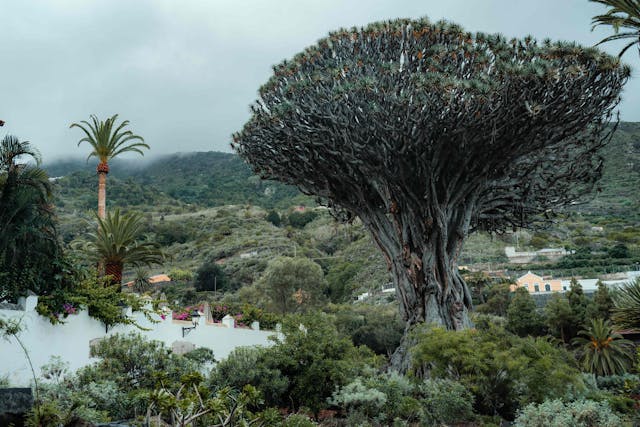
The dragon blood tree is one of the most amazing plants in the world. Found mostly on Socotra Island, this tree looks like it came from a fairy tale. Its thick trunk and umbrella-like top make it stand out. But the coolest part? It bleeds red sap—just like a dragon!
In this post, we’ll explore what makes the dragon blood tree so special, where it grows, why it’s important, and how people use it. We’ll also answer some fun questions at the end and keep everything easy to understand.
Table of Contents
What Is a Dragon Blood Tree?
The dragon blood tree (also called Dracaena cinnabari) is a very old tree that grows in dry, rocky places. Its name comes from the red sap it makes, called “dragon’s blood.”
The tree’s shape is also special. Its top spreads out like an umbrella, and it looks like a mushroom from far away. This design helps the tree save water, which is super helpful since it grows in hot places.
Where Does the Dragon Blood Tree Grow?
The dragon blood tree mainly grows on Socotra Island, a part of Yemen. This island is full of rare plants and animals, and it’s often called the “Galápagos of the Indian Ocean.”
The island is dry, with little rain, so only tough plants like the dragon tree can live there.
According to UNESCO, Socotra is a world heritage site because of its unique nature. That makes the dragon blood tree even more special!
What Does Dragon’s Blood Sap Do?
The red sap, or “dragon’s blood,” has been used for hundreds of years. People in ancient times thought it had magical powers.
Today, it’s used for:
- Medicine: Some people use it for wounds and stomach problems.
- Paint and Dye: Artists have used the sap to color things red.
- Incense: The smell is calming, so people burn it during prayer or meditation.
Even though it’s natural, always ask a doctor before using it for health reasons.
Why Is the Dragon Blood Tree Important?
The dragon tree is more than just a cool-looking plant. It’s important for many reasons:
- It supports the environment: Its branches catch water from the air, helping other plants grow.
- It’s a home for animals: Birds and bugs live in the tree and use it for shade.
- It helps people: The red sap has been used in trade, medicine, and culture.
With climate change and too much cutting, this tree is in danger. That’s why groups like IUCN list it as “vulnerable,” meaning it could disappear if not protected.
Dragon Blood Tree Facts for Kids
Let’s look at some fun and simple facts about the dragon blood tree:
- 🐉 The tree can live for hundreds of years.
- 🐉 Its red sap looks like blood but comes from inside the tree.
- 🐉 It only grows in a few places in the world.
- 🐉 It can grow up to 30 feet tall.
- 🐉 The branches grow in a circle, helping it catch more water.
What Makes the Dragon Blood Tree So Unique?
There are many trees in the world, but the dragon tree stands out. Let’s explore what makes it so different.
🌳 Its Look
No other tree has the same shape. The thick top protects the roots from sun and wind. That’s why it survives in the harsh desert.
🩸 Its Red Sap
This sap is rare. Most trees have white or clear sap. The red color is what gave it its magical name—dragon’s blood.
🧪 Its Uses
From old medicine to art, the sap has been used in many cultures. Ancient Romans even used it in rituals!
Can You Grow a Dragon Blood Tree at Home?
It’s very hard, but not impossible. Some people try to grow it in pots. However, it grows very slowly and needs dry, rocky soil and hot weather.
If you live in a warm place and love plants, you might be able to grow one. But remember—it could take years to see its full shape.
Is the Dragon Blood Tree in Danger?
Sadly, yes. The tree is in trouble because:
- People cut it down for wood or sap.
- Climate change makes it harder for new trees to grow.
- Animals sometimes eat the young trees.
We must protect the dragon blood tree so kids in the future can see it too. Groups like the Botanic Gardens Conservation International are working to save it.
Related Dragon Blood Trees and Plants
There are other trees that also give dragon’s blood, but they’re a bit different. These include:
- Dracaena draco – Found in the Canary Islands.
- Daemonorops – A type of palm found in Asia.
Even though they all give red sap, they’re not the same plant.
How Old Is the Dragon Blood Tree?
Some of these trees are more than 600 years old. They grow slowly but live a long time. That’s why old forests of dragon trees are so amazing—they’ve been around for centuries!
Dragon Blood Tree in Stories and Culture
In many old stories, people believed the red sap was real dragon blood. Some said the trees were born from battles between dragons and elephants.
The red sap was also used in ancient magic, medicine, and even in early violins as a type of varnish.
People around the world still respect the dragon tree for its power and beauty.
Benefits of Dragon Blood Tree for People
Here’s how the dragon tree helps us:
- Natural Healing: Some use the sap for wounds or skin care.
- Relaxation: Burning it as incense brings a peaceful feeling.
- Art: It’s used to make red paint.
- Symbol: It’s a sign of strength and life in hard places.
Even with all these benefits, we must use it wisely and protect it.

Dragon Blood Tree: The Magical Tree That Bleeds Red
🌿 FAQs
What is the dragon tree used for?
The red sap is used in medicine, incense, and art. People also love it for its beauty and meaning.
Why is it called dragon tree?
Because it has red sap that looks like blood. People thought it was magical, like dragon blood.
Where can I find a dragon tree?
Mainly on Socotra Island in Yemen. Some are also in greenhouses or dry gardens.
Is dragon blood sap safe to use?
It may be safe in small amounts, but always ask a doctor before using it for health.
Can I buy dragon tree seeds?
Yes, some places sell them online. But it’s tricky to grow without the right weather.
🌍 Conclusion
The dragon blood tree is not just a cool-looking plant. It’s part of Earth’s amazing history. It helps people, animals, and the planet. Its shape, red sap, and story make it a tree worth saving.
If we don’t protect it now, we may lose it forever. By learning about it, sharing its story, and supporting eco-groups, we can make sure the dragon blood tree lives on for many years.
Let’s take care of nature, starting with this magical, dragon-hearted tree.
Sources:
- UNESCO World Heritage – Socotra
- IUCN Red List – Dracaena Cinnabari
- Botanic Gardens Conservation International