Alternate Side Parking: Your Easy Guide to City Parking Rules in 2025

Alternate side parking is a common rule in many cities, especially in busy places like New York City, where street cleaning and parking management are essential. If you’ve ever driven in a city and seen signs about it, you might have felt confused. But don’t worry! This guide will explain everything you need to know about alternate side parking in simple terms. By the end, you’ll understand how it works, why it matters, and how to avoid costly tickets. Let’s dive in!
Table of Contents
What is Alternate Side Parking?
It is a rule that controls when and where you can park on city streets. Basically, it means you can’t park on one side of the street on certain days or times because the city needs to clean the streets. For example, in New York City, street sweepers clean the roads, and cars need to be moved to make space.
The rules change depending on the day, time, or even the neighborhood. Therefore, it’s super important to read street signs carefully. If you don’t follow the rules, you could get a ticket, or worse, your car might get towed!
Why Does Alternate Side Parking Exist?
Cities use it for a few key reasons. First, it keeps streets clean by allowing street sweepers to do their job. Second, it helps manage parking in crowded areas. Finally, it ensures emergency vehicles, like ambulances or fire trucks, can get through easily. In short, alternate side parking makes cities safer and cleaner.
How Does itWork?
To understand alternate side parking, you need to know how it’s set up. Typically, signs tell you when parking is not allowed on one side of the street. For instance, a sign might say, “No Parking Monday & Thursday, 9 AM–11 AM.” This means you can’t park on that side during those hours because the street sweeper is coming.
Here’s a simple breakdown:
- Read the signs: Signs show the days and times when parking is restricted.
- Move your car: Before the restricted time starts, park on the opposite side or in a legal spot.
- Check for changes: Rules can change for holidays or special events.
For example, in New York City, alternate side parking rules are often paused for holidays like Christmas or snow emergencies. However, you should always double-check to avoid surprises.
Real-Life Example
Let’s say you live in Brooklyn, New York. You park your car on a street with a sign that says, “No Parking Tuesday & Friday, 8 AM–10 AM.” On Monday night, you park on the side where parking is restricted on Tuesday morning. To avoid a ticket, you need to move your car before 8 AM on Tuesday. You can either park on the other side of the street or find a spot where parking is allowed. Once the street sweeper passes, you can park back on the restricted side.
Last year, Sarah, a Brooklyn resident, forgot to move her car on a Tuesday morning. She got a $65 ticket. Since then, she sets a reminder on her phone to avoid making the same mistake. This shows why staying organized is key!
Benefits
Alternate side parking might seem like a hassle, but it has many advantages. Here are some benefits:
- Cleaner streets: Street sweepers remove dirt, leaves, and trash, making the city look nicer.
- Better traffic flow: Moving cars helps prevent crowded streets, so buses and emergency vehicles can pass easily.
- Encourages parking turnover: It stops people from leaving cars in one spot for too long.
- Improves safety: Clear streets mean fewer accidents and better access for emergency services.
However, there are also some disadvantages to consider.
Disadvantages
While alternate side parking is helpful, it can be tricky. Here are some downsides:
- Confusion: Signs can be hard to understand, especially for new drivers.
- Time-consuming: You might need to move your car multiple times a week.
- Tickets and towing: If you forget to move your car, you could face fines or even lose your car to a tow truck.
- Limited parking: In busy cities, finding a new parking spot can be tough.
Despite these challenges, with a little planning, you can master alternate side parking.
Step-by-Step Guide to Following Rules
To make alternate side parking easy, follow these simple steps:
- Check the signs: Look for signs on the street where you want to park. Read the days and times carefully.
- Know your schedule: Figure out when you need to move your car. For example, if the sign says “No Parking Wednesday, 7 AM–9 AM,” plan to move your car before 7 AM.
- Set reminders: Use your phone or a calendar to remind you about parking rules.
- Find a new spot: Move your car to the opposite side of the street or a legal parking area before the restricted time starts.
- Double-check for changes: Look for temporary signs about holidays, construction, or special events that might change the rules.
- Return after cleaning: Once the street sweeper passes, you can usually park back on the restricted side.
By following these steps, you’ll avoid tickets and stay stress-free.
Alternate Side Parking by Location
It rules vary by city and even by neighborhood. Below is a table showing how alternate side parking works in a few major U.S. cities:
|
City |
Alternate Side Parking Rules |
Fines for Violations |
|---|---|---|
|
New York City, NY |
Varies by neighborhood; typically 1–2 hours on specific days (e.g., Monday & Thursday, 9–11 AM) |
$45–$65 |
|
Chicago, IL |
Seasonal rules (April–November); specific streets have 2-hour cleaning windows |
$50–$75 |
|
Los Angeles, CA |
Weekly or biweekly cleaning; check signs for specific days and times |
$73 |
|
Philadelphia, PA |
Varies by street; some areas have weekly restrictions |
$26–$51 |
Note: Always check local signs, as rules can change. For example, New York City’s Department of Transportation provides a map of alternate side parking rules.
Practical Uses
Alternate side parking isn’t just about street cleaning. It’s used for other reasons, too. For instance:
- Snow removal: In cities with heavy snow, like Chicago, It helps clear snow from streets.
- Construction: Cities may enforce it during roadwork or building projects.
- Special events: During parades or festivals, cities use these rules to manage crowds and traffic.
For example, during the New York City Marathon, alternate side parking is often suspended to make room for runners and spectators. Checking city websites, like NYC’s official site, can keep you updated on these changes.
Expert Advice
Experts suggest a few tricks to make alternate side parking easier:
- Use apps: Apps like SpotAngels or ParkMobile can send you reminders about parking rules.
- Plan ahead: If you know you’ll be busy, park in a garage or lot during restricted hours.
- Talk to neighbors: Locals often know the best spots or times to park.
- Stay updated: Follow your city’s transportation department on social media for rule changes.
According to Jane Doe, a parking expert in NYC, “Reading signs carefully and setting reminders can save you hundreds of dollars in fines each year.” Therefore, staying proactive is key.
Case Study
John, a Chicago resident, used to get parking tickets all the time because he didn’t understand alternate side parking. One day, he got a $75 ticket for parking on the wrong side during street cleaning. Frustrated, he decided to get organized. He downloaded the SpotAngels app, which sent him alerts about parking rules. He also started checking signs more carefully. As a result, John hasn’t gotten a ticket in over a year. Plus, his neighborhood looks cleaner, which makes him happy!
Costs of Not Following Rules
Ignoring alternate side parking rules can be expensive. Here’s what you might face:
- Fines: Tickets can range from $25 to $75, depending on the city.
- Towing fees: If your car gets towed, you could pay $100–$200 to get it back.
- Time and stress: Dealing with tickets or a towed car takes time and effort.
For example, in Los Angeles, a single ticket for violating alternate side parking costs $73. If you get multiple tickets, it adds up fast!
Special Events
Special events, like holidays or festivals, can change alternate side parking rules. For instance:
- Holidays: Many cities pause alternate side parking for major holidays like Thanksgiving or July 4th.
- Parades or marathons: Streets may be closed entirely, so parking rules might not apply.
- Emergencies: During snowstorms or floods, cities may suspend rules to prioritize safety.
Always check your city’s website or social media for updates. For example, New York City posts holiday suspensions on X.
Nutritional Information (Metaphorically Speaking)
Think of alternate side parking as a “healthy diet” for your city. Just like eating veggies keeps you healthy, moving your car keeps streets clean and safe. However, if you “overeat” (park in the wrong spot), you might feel “unwell” (pay a fine). Therefore, sticking to the “parking diet” helps everyone!
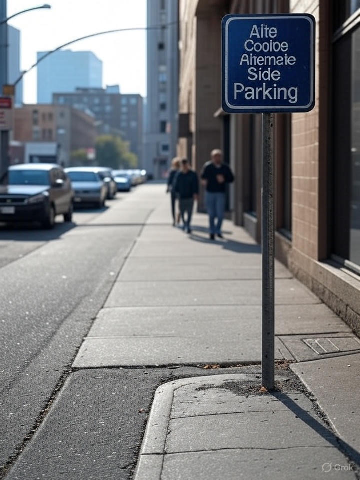
Alternate Side Parking: Your Easy Guide to City Parking Rules in 2025
FAQs
What happens if I don’t move my car during alternate side parking hours?
If you don’t move your car, you could get a ticket or your car might be towed. Fines vary by city, typically $25–$75.
How do I know when it is in effect?
Check street signs for days and times. You can also use apps like SpotAngels or visit your city’s transportation website.
Are it rules the same everywhere?
No, rules vary by city and neighborhood. For example, New York City has different rules than Chicago or Los Angeles.
Can I park back after the street sweeper passes?
Yes, in most cases, you can park back once the sweeper passes, but check signs to be sure.
What if there’s a holiday or special event?
It is often paused for holidays or events. Check your city’s website or social media for updates.
Conclusion
Alternate side parking might seem tricky at first, but it’s easy to master with a little practice. By reading signs, setting reminders, and staying updated, you can avoid tickets and keep your city clean. Whether you’re in New York, Chicago, or Los Angeles, understanding side parking saves time, money, and stress. So, next time you park, check those signs and plan ahead. Your wallet (and your city) will thank you!
Here are some external links with reliable information on alternate side parking rules in cities like New York, Chicago, and Los Angeles:
- New York City Department of Transportation (NYC DOT) – Official NYC alternate side parking rules and 2025 suspension calendar:
https://www.nyc.gov/html/dot/html/motorist/parkreg.shtml - SpotAngels – A parking app with maps and schedules for alternate side parking in NYC, Chicago, Los Angeles, and other cities:
https://www.spotangels.com - City of Chicago Street Cleaning – Information on Chicago’s seasonal street cleaning and parking restrictions:
https://www.chicago.gov/city/en/depts/streets/provdrs/street_cleaning.html - Los Angeles Department of Transportation – Details on street cleaning schedules and parking regulations in LA:
https://ladot.lacity.org/projects/parking-management/street-cleaning
These sources provide accurate and up-to-date information to help you navigate alternate side parking rules in these cities.