
What Are the Four Methods of Managing Pests? A Simple Guide to Pest Control
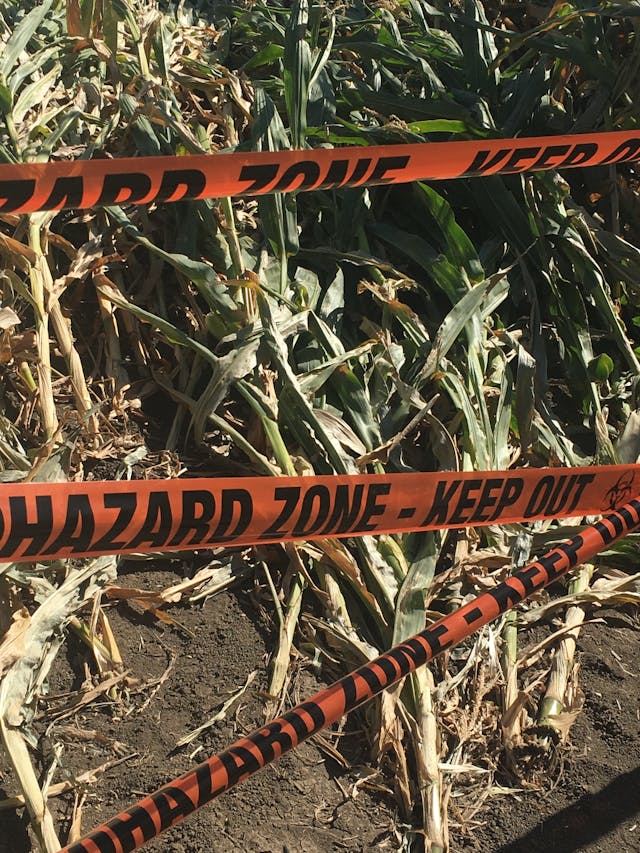
Managing pests is something many people need to think about, whether at home, in gardens, or on farms. Pests like insects, rodents, or weeds can cause a lot of trouble. For example, they can damage crops, spread diseases, or make your home uncomfortable. Luckily, there are ways to control them! In this blog post, we’ll talk about the four methods of managing pests: biological, chemical, cultural, and physical. By the end, you’ll understand how each method works and how to use them safely and effectively.
This article is written in simple language, so even an eleven-year-old can understand it. Let’s dive in and learn how to keep pests away!
Table of Contents
Why Is Managing Pests Important?
Before we talk about the four methods of managing pests, let’s understand why pest control matters. Pests can harm plants, animals, and even people. For instance, mosquitoes can spread diseases like malaria, and termites can destroy wooden furniture. Moreover, pests can ruin food supplies, which is a big problem for farmers. By managing pests, we protect our health, homes, and food.
Each method we’ll discuss has its own benefits. Some are natural, while others use tools or chemicals. Therefore, choosing the right method depends on the situation. Now, let’s explore the four methods of managing pests one by one.
The Four Methods of Managing Pests
There are four main ways to control pests: biological, chemical, cultural, and physical. Each method is different, but they all help reduce pest problems. Let’s look at each one closely.
- Biological Methods of Managing Pests
Biological pest control uses nature to fight pests. In other words, it involves using living things like animals, insects, or plants to control pest populations. For example, ladybugs eat aphids, which are tiny bugs that harm plants. By adding ladybugs to a garden, you can reduce aphids naturally.
How Does Biological Control Work?
This method works by introducing a pest’s natural enemies. These enemies could be predators, parasites, or diseases that attack the pest. For instance, farmers might release parasitic wasps to lay eggs inside pest insects. When the eggs hatch, they kill the pest. As a result, the pest population goes down without harming the environment.
Examples of Biological Pest Control
- Ladybugs: They eat aphids and other small insects.
- Birds: Some birds eat harmful insects like caterpillars.
- Bacteria: A bacteria called Bacillus thuringiensis (Bt) can kill certain pests but is safe for humans.
Benefits of Biological Methods
Biological control is eco-friendly because it doesn’t use harmful chemicals. Additionally, it’s sustainable, meaning it can work for a long time. However, it takes time to see results, so patience is key. According to the University of California Agriculture and Natural Resources, biological control is a great option for farms and gardens.
Challenges of Biological Control
Sometimes, biological methods don’t work quickly. Also, introducing new species can be tricky. For example, if the new species becomes too strong, it might harm other plants or animals. Therefore, experts must plan carefully.
- Chemical Methods of Managing Pests
Chemical pest control uses pesticides to kill or repel pests. Pesticides are chemicals made to target specific pests, like insects, weeds, or rodents. For example, you might spray insect repellent in your home to keep mosquitoes away.
How Do Chemical Methods Work?
Pesticides come in different forms, like sprays, powders, or liquids. When you apply them, they either kill the pest or make it leave. For instance, weed killers stop weeds from growing in your garden. However, you must use these chemicals carefully to avoid harming people, pets, or the environment.
Examples of Chemical Pest Control
- Insecticides: These kill insects like ants or roaches.
- Herbicides: These stop weeds from growing.
- Rodenticides: These target rodents like mice or rats.
Benefits of Chemical Methods
Chemical control works fast. In fact, it’s often the quickest way to get rid of pests. Additionally, it’s effective for large areas, like farms. According to the Environmental Protection Agency (EPA), pesticides help protect crops and increase food production.
Challenges of Chemical Control
While chemical methods are effective, they can cause problems. For example, pesticides might harm helpful insects like bees. Also, overuse can make pests resistant, meaning the chemicals stop working. Therefore, always follow instructions when using pesticides.
- Cultural Methods of Managing Pests
Cultural pest control involves changing the way you grow plants or manage your land to make it harder for pests to survive. In other words, you create an environment that pests don’t like. For example, rotating crops in a field can stop pests from settling in.
How Do Cultural Methods Work?
Cultural methods focus on prevention. By making small changes, you can stop pests before they become a big problem. For instance, planting crops at different times can confuse pests. As a result, they’re less likely to attack.
Examples of Cultural Pest Control
- Crop Rotation: Growing different crops each year stops pests that like one type of plant.
- Proper Watering: Overwatering can attract pests, so water plants carefully.
- Cleanliness: Keeping your garden free of weeds and debris reduces pest hiding spots.
Benefits of Cultural Methods
Cultural control is safe and natural. Moreover, it’s easy to do and doesn’t cost much. For example, cleaning up fallen leaves in your yard can prevent pests from hiding there. According to Cornell University’s Integrated Pest Management, cultural methods are a key part of sustainable farming.
Challenges of Cultural Control
Cultural methods take time and effort. Also, they might not work for every pest. Therefore, you might need to combine them with other methods for the best results.
- Physical Methods of Managing Pests
Physical pest control uses tools or barriers to stop pests. In other words, it involves physically removing or blocking pests. For example, putting a net over plants can keep birds away.
How Do Physical Methods Work?
Physical methods create obstacles or traps to catch or kill pests. For instance, sticky traps catch flies, and fences keep rabbits out of gardens. As a result, pests can’t reach your plants or home.
Examples of Physical Pest Control
- Traps: Mouse traps catch rodents in your home.
- Barriers: Nets or fences protect plants from pests.
- Hand-Picking: Removing pests like snails from plants by hand.
Benefits of Physical Methods
Physical control is safe because it doesn’t use chemicals. Additionally, it’s simple and works well for small areas. For example, a flyswatter is a quick way to deal with a single fly. According to the National Pesticide Information Center, physical methods are great for small pest problems.
Challenges of Physical Control
Physical methods can be time-consuming. For instance, setting up traps or picking pests by hand takes effort. Also, they might not work for large pest infestations. Therefore, they’re best for small problems or combined with other methods.
Combining the Four Methods of Managing Pests
Each of the four methods of managing pests has its strengths and weaknesses. Therefore, many people use a mix of these methods for the best results. This approach is called Integrated Pest Management (IPM). IPM combines biological, chemical, cultural, and physical methods to control pests in a safe and effective way.
For example, a farmer might use ladybugs (biological), rotate crops (cultural), set traps (physical), and use a small amount of pesticide (chemical). By combining methods, you reduce harm to the environment and control pests better. According to the EPA’s IPM page, this method is widely used in farming and gardening.
Tips for Safe Pest Management
No matter which method you choose, safety is important. Here are some tips to manage pests safely:
- Read Labels: If you use pesticides, always read and follow the instructions.
- Protect Nature: Avoid harming helpful insects like bees or ladybugs.
- Start Small: Try natural methods like biological or cultural control first.
- Ask for Help: If you’re unsure, talk to a pest control expert or local garden center.
By following these tips, you can keep pests away without causing harm.
What Are the Four Methods of Managing Pests? A Simple Guide to Pest Control
FAQs About What Are the Four Methods of Managing Pests?
Here are some common questions people ask about managing pests:
What Are the Four Methods of Managing Pests?
The four methods are biological (using natural enemies), chemical (using pesticides), cultural (changing farming practices), and physical (using traps or barriers).
Which Method Is the Safest?
Biological and cultural methods are often the safest because they don’t use chemicals. However, physical methods are also safe for small problems.
Can I Use More Than One Method?
Yes! Combining methods, like in Integrated Pest Management (IPM), is often the best way to control pests effectively.
Are Pesticides Harmful to People?
If used correctly, pesticides are safe. However, always follow instructions to avoid harming people, pets, or the environment.
Where Can I Learn More About Pest Control?
You can visit websites like the EPA or Cornell University for more information on pest management.
Conclusion
The four methods of managing pests—biological, chemical, cultural, and physical—offer different ways to keep pests under control. Each method has its own benefits, from being eco-friendly to working quickly. By understanding how they work, you can choose the best one for your home, garden, or farm. Additionally, combining these methods through Integrated Pest Management (IPM) can give you even better results.
Pest control doesn’t have to be hard. With simple steps like cleaning your garden, using traps, or adding helpful insects, you can keep pests away. Moreover, always prioritize safety by following instructions and protecting the environment. Now that you know the four methods of managing pests, you’re ready to tackle any pest problem!


