
Black Diamond Watermelon: Growing Tips and Tasty Recipes
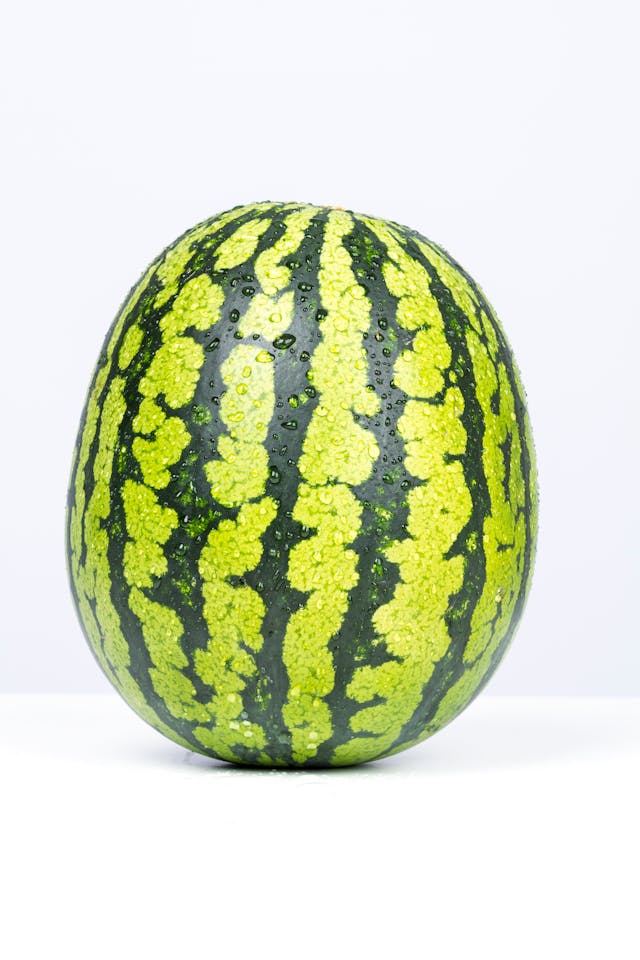
The Black Diamond Watermelon is a special kind of watermelon that’s loved by gardeners and fruit fans alike. Unlike regular watermelons with green stripes, this one has a dark, almost black-green rind. Moreover, its bright red or pinkish-red flesh is super sweet and juicy, making it a favorite for summer picnics. Additionally, these melons can grow really big, often weighing 30 to 50 pounds, and sometimes even up to 100 pounds!
For example, at the Watermelon Thump festival in Luling, Texas, a Black Diamond Watermelon once weighed 81 pounds! This makes it perfect for big gatherings where everyone can share a slice. Furthermore, it’s an heirloom variety, which means it’s been grown for many years without being changed by modern science. So, it has a classic taste that people have enjoyed for generations.
In this blog post, we’ll explore everything about the Black Diamond Watermelon. From how to grow it in your garden to fun recipes, we’ve got you covered. Plus, we’ll answer common questions to help you enjoy this amazing fruit even more!
Table of Contents
History of the Black Diamond Watermelon
The Black Diamond Watermelon has a cool history. It started way back, about 5,000 years ago, in Egypt. In fact, ancient people loved watermelons because they were full of water, which was super helpful in dry places like the Kalahari Desert in Africa. However, those early watermelons weren’t sweet like today’s. They had bitter, yellowish flesh.
Over time, people worked to make watermelons sweeter. By the 600s, they were growing in India, and by the 900s, they reached China. Later, in the 1600s, watermelons came to Europe and the Americas. Specifically, the Black Diamond variety was developed in Arkansas in the 1940s and became popular in the 1950s. Since then, it’s been a favorite for its huge size and tasty flavor.
For instance, farmers and gardeners love it because it grows well in warm places like Texas, California, and Florida. Also, its tough rind makes it great for shipping to markets far away. Today, it’s still a top choice for anyone who wants a big, sweet watermelon.
Why Choose a Black Diamond Watermelon?
There are tons of watermelon varieties, but the Black Diamond stands out. Here’s why:
- Huge Size: These melons can grow to 50 pounds or more, perfect for sharing at parties or barbecues.
- Sweet Flavor: The red flesh is crisp, juicy, and has a sweet taste with a hint of tartness.
- Health Benefits: It’s packed with vitamins A and C, plus antioxidants like lycopene, which are good for your body.
- Fun to Grow: Gardeners love its long vines and big fruits, which make it exciting to grow at home.
Moreover, the Black Diamond Watermelon is great for fun activities. For example, in Arkansas, people use it for “greased watermelon contests,” where kids chase a slippery melon in a pool. How cool is that?
How to Grow a Black Diamond Watermelon
Growing a Black Diamond Watermelon is fun, but it takes some care. Don’t worry, though—it’s not too hard! Here’s a step-by-step guide to help you grow your own.
Step 1: Pick the Right Spot
First, Black Diamond Watermelons need lots of sun. They love at least 6 to 8 hours of direct sunlight every day. Also, they need space because their vines can grow up to 20 feet long. So, choose a big, sunny spot in your garden. Additionally, the soil should be rich, well-draining, and slightly acidic (pH 6 to 7). If your soil isn’t great, mix in compost or aged manure to make it better.
Step 2: Plant the Seeds
Next, wait until after the last frost in spring, when the soil is warm (at least 70°F). You can plant seeds directly in the ground, about 1 inch deep, and space them 6 to 8 feet apart. Alternatively, if you live in a cooler place, start seeds indoors 3 to 4 weeks before the last frost. Use peat pots so you don’t disturb the roots when you move them outside.
For example, plant 3 to 4 seeds in each spot and thin them to the strongest plant once they’re about 3 inches tall. This gives your melons plenty of room to grow.
Step 3: Water and Feed Your Plants
Watermelons love water, especially when they’re young. Keep the soil moist but not soggy. Water the base of the plant, not the leaves, to avoid fungal problems. Once the melons are the size of a tennis ball, water less—only when the soil feels dry. This helps make the fruit sweeter.
Furthermore, add fertilizer to help your plants grow strong. Use a nitrogen-based fertilizer early on, then switch to one with more phosphorus and potassium when flowers appear. Always follow the instructions on the fertilizer package.
Step 4: Protect Your Plants
Black Diamond Watermelons can attract pests like aphids, beetles, and rabbits. To keep them safe, plant companion plants like marigolds or garlic nearby to scare pests away. Also, avoid planting tomatoes or peppers close by, as they can bring harmful bugs.
Additionally, use mulch like straw under the vines to keep the soil moist and protect the melons from rotting. If you notice fuzzy growth on leaves, it might be a fungal disease like powdery mildew. Remove affected leaves and keep the area clean to stop it from spreading.
Step 5: Know When to Harvest
Knowing when your Black Diamond Watermelon is ripe is key. Here are some signs:
- The tendril (a curly stem) near the melon turns brown and dry.
- The spot where the melon touches the ground turns creamy yellow.
- The rind feels hard and can’t be easily scratched with your fingernail.
- When you tap the melon, it makes a hollow sound.
For instance, if the tendril is still green, wait a bit longer. Once it’s ripe, cut the melon from the vine with a knife. Don’t pick it too early, as it won’t ripen more after being cut.
Health Benefits of Black Diamond Watermelon
Not only is the Black Diamond Watermelon delicious, but it’s also good for you! Here’s what makes it a healthy choice:
- Low in Calories: A cup (about 125 grams) has only 85 calories, so it’s great for a light snack.
- High in Water: With over 90% water, it keeps you hydrated on hot days.
- Vitamins and Minerals: It’s full of vitamins A and C, which help your eyes, skin, and immune system.
- Antioxidants: Lycopene and cucurbitacin E fight harmful substances in your body, which may lower the risk of diseases like cancer.
- Fiber: It helps your digestion and keeps your tummy happy.
For example, eating a slice of Black Diamond Watermelon on a summer day is like drinking a big glass of water with extra health perks. Plus, you can even eat the seeds or pickle the rind for more nutrition!
Fun Ways to Enjoy Black Diamond Watermelon
The Black Diamond Watermelon is super versatile. Here are some easy and fun ways to enjoy it:
- Fresh Slices
The simplest way is to cut it into wedges and eat it fresh. It’s perfect for picnics, barbecues, or just snacking at home. Also, the big size means everyone gets a piece!
- Watermelon Salad
Mix chunks of Black Diamond Watermelon with cucumbers, feta cheese, and mint leaves for a refreshing salad. Drizzle with a little olive oil and lemon juice for extra flavor. This combo is light and summery.
- Smoothies
Blend watermelon with strawberries, a banana, and some yogurt for a tasty smoothie. You can add ice to make it extra cold. It’s a great way to cool off on a hot day.
- Watermelon Fruit Leather
For a fun treat, puree the watermelon and spread it thinly on a baking sheet lined with parchment paper. Bake at a low temperature (about 170°F) for 3 to 4 hours until dry. Then, cut it into strips and roll them up for a chewy snack.
- Pickled Rind
Don’t throw away the rind! You can pickle it for a sweet and tangy treat. Check out this recipe from Food52 for a spicy version that’s easy to make.
- Watermelon Gazpacho
Blend Black Diamond Watermelon with tomatoes, cucumbers, red bell peppers, and a splash of red wine vinegar for a cold soup. It’s a unique way to enjoy watermelon, and it’s super refreshing.
Tips for Picking the Perfect Black Diamond Watermelon
Whether you’re growing your own or buying one at the store, here’s how to pick a ripe Black Diamond Watermelon:
- Check the Weight: A ripe melon feels heavy for its size because it’s full of water and sugar.
- Look at the Rind: It should be dark green and firm, with a creamy yellow spot where it rested on the ground.
- Tap It: A ripe watermelon makes a hollow sound when you tap it. If it sounds high-pitched, it’s not ready yet.
- Check the Tendril: If you’re harvesting, make sure the tendril near the stem is brown and dry.
For example, if you’re at the store, lift a few melons to find the heaviest one. That’s usually the juiciest!
Storing Your Black Diamond Watermelon
Once you’ve got your Black Diamond Watermelon, you’ll want to keep it fresh. Here’s how:
- Whole Melons: Store them in a cool, dark place, like a basement, for up to 2 to 3 weeks. Don’t put them in direct sunlight.
- Cut Melons: Wrap pieces tightly in plastic wrap and keep them in the fridge. Eat within 3 to 4 days for the best taste.
- Freezing: Dice the flesh into small pieces or make balls with a melon scooper and freeze them in a bag. Use frozen watermelon for smoothies or snacks later.
Also, if you notice a bad smell or soggy texture, it’s time to toss it out. Fresh watermelon should always smell sweet and feel firm.
Common Problems When Growing Black Diamond Watermelon
Sometimes, growing Black Diamond Watermelons can be tricky. Here are some common issues and how to fix them:
- Yellowing Leaves: This could mean the plant needs more nutrients or is getting too much or too little water. Check the soil and adjust your watering or add fertilizer.
- Wilting: Overwatering or underwatering can cause wilting. Make sure the soil is moist but not soggy, and use well-draining soil.
- Pests: Aphids, beetles, and other bugs love watermelons. Check your plants weekly and use natural pest controls like neem oil if needed.
- Poor Flowering: If your plants aren’t blooming, they might need more sunlight (6 to 8 hours daily) or a fertilizer with more phosphorus.
For more tips on dealing with pests and diseases, check out this Watermelon Pests guide from Minneopa Orchards.
Black Diamond Watermelon: Growing Tips and Tasty Recipes
FAQs About Black Diamond Watermelon
What makes Black Diamond Watermelon different from other watermelons?
It has a dark green rind without stripes and bright red, sweet flesh. Plus, it’s much bigger, often weighing 30 to 50 pounds.
How long does it take to grow a Black Diamond Watermelon?
It takes about 80 to 95 days to grow from seed to harvest, depending on the weather and growing conditions.
Can I grow Black Diamond Watermelon in a small garden?
You’ll need a lot of space because the vines grow up to 20 feet long. If you have a small garden, try a smaller variety like Sugar Baby.
How do I know when my Black Diamond Watermelon is ripe?
Look for a brown, dry tendril near the stem, a creamy yellow spot on the rind, and a hollow sound when you tap it.
Is Black Diamond Watermelon healthy to eat?
Yes! It’s low in calories, high in water, and packed with vitamins A and C, antioxidants, and fiber.
Can I eat the rind or seeds?
You can pickle the rind for a tasty treat, and the seeds are edible too. They’re full of nutrients!
Conclusion
The Black Diamond Watermelon is a fantastic fruit that brings sweetness and fun to any summer day. Whether you’re growing it in your garden or enjoying it at a picnic, its huge size, juicy red flesh, and delicious flavor make it a winner. Plus, it’s easy to grow if you follow the right steps, and it’s packed with health benefits like vitamins and antioxidants.
So, why not try growing or eating a Black Diamond Watermelon this summer? You can slice it, blend it into smoothies, or even pickle the rind for a unique treat. For more gardening tips, check out Bonnie Plants or Gardening Know How. Happy growing and eating!


