
What Are the Three Divisions of Food Crop Production?
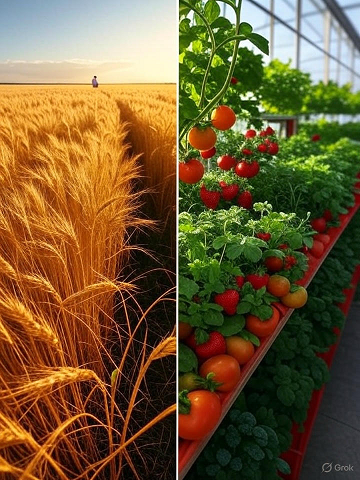
What are the three divisions of food crop production? This question is super important for anyone curious about where our food comes from. Food crop production is all about growing plants we eat, like fruits, vegetables, and grains. It’s a big part of farming, and it’s split into three main divisions: arable farming, horticulture, and permanent crops. In this article, we’ll explore each one in a way that’s easy to understand, even for an eleven-year-old! So, let’s dive in and learn how farmers grow the food we love.
Table of Contents
Understanding Food Crop Production
Food crop production is how farmers grow plants for food. These crops feed people all over the world. For example, rice, wheat, and corn are major crops that provide energy and nutrients. But not all crops are grown the same way. That’s why we divide food crop production into three main types. Each type has its own methods and crops. Let’s look at them one by one.
Division 1: Arable Farming
Arable farming is the first division of food crop production. It focuses on growing crops like grains and vegetables on large fields. For instance, farmers grow wheat, rice, corn, and barley in this way. These crops are often called “field crops” because they need big spaces to grow.
In arable farming, farmers use tools like tractors and plows to prepare the soil. They plant seeds, water them, and make sure the plants get enough sunlight. After the crops grow, farmers harvest them. For example, wheat is harvested and turned into flour for bread. This type of farming is super important because it produces a lot of food for many people.
Arable farming also includes crops like potatoes and beans. These plants are grown every year, so farmers plant new seeds each season. However, arable farming can be hard work. Farmers need to care for the soil to keep it healthy. They use fertilizers and rotate crops to make sure the land stays good for growing. If you want to learn more about arable farming, check out this simple guide from Britannica.
Why Is Arable Farming Important?
Arable farming is a big deal because it provides staple foods. These are foods we eat every day, like rice, bread, and pasta. Without arable farming, we wouldn’t have enough of these foods to feed everyone. Also, arable crops are used to make things like cooking oil and animal feed. So, this division of food crop production helps keep our kitchens full!
Division 2: Horticulture
The second division of food crop production is horticulture. This is all about growing fruits, vegetables, and herbs. For example, think of apples, carrots, tomatoes, and basil. Horticulture is different from arable farming because it focuses on smaller areas, like gardens or greenhouses.
In horticulture, farmers pay close attention to each plant. They make sure the plants get the right amount of water, nutrients, and care. For instance, growing strawberries needs special care to make sure they’re sweet and juicy. Horticulture also includes growing flowers, but we’re focusing on food crops here.
Horticulture is exciting because it gives us colorful and tasty foods. Farmers might grow lettuce for salads or oranges for juice. They often use tools like pruning shears to keep plants healthy. Plus, some horticulture crops are grown indoors in greenhouses, which protect them from bad weather. If you’re curious about horticulture, this guide from the Royal Horticultural Society explains it well.
Why Do We Need Horticulture?
Horticulture is awesome because it gives us fresh fruits and veggies. These foods are packed with vitamins and make our meals healthy and delicious. Also, horticulture lets farmers grow food in places where the weather isn’t perfect for farming. For example, greenhouses help grow tomatoes even in cold places. So, horticulture makes sure we have fresh food all year round.
Division 3: Permanent Crops
The third division of food crop production is permanent crops. These are plants that grow for many years without needing to be replanted. For example, fruit trees like apple, orange, and mango trees are permanent crops. Once they’re planted, they produce fruit every year for a long time.
Permanent crops also include things like grapevines for grapes and olive trees for olives. Farmers take care of these plants by pruning them and protecting them from pests. Unlike arable crops, which are planted every year, permanent crops stay in the ground for many seasons. This makes them a bit easier for farmers because they don’t need to start over each year.
However, permanent crops take time to grow. For instance, an apple tree might take a few years before it starts giving fruit. But once it does, it can produce apples for decades! If you want to know more about permanent crops, this resource from the FAO has great information.
Why Are Permanent Crops Special?
Permanent crops are special because they provide food for a long time. Imagine planting an orange tree and getting juicy oranges every year! These crops are also good for the environment. Their deep roots help keep the soil strong and prevent erosion. Plus, they give us yummy fruits and nuts that we love to eat.
How Do These Divisions Work Together?
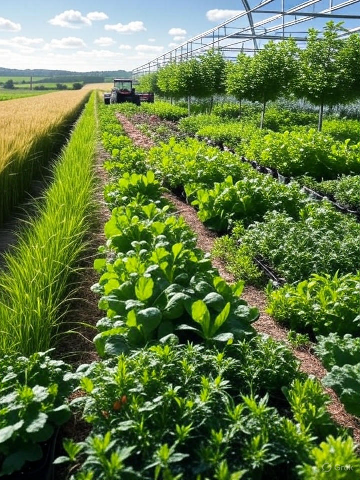
Now that we know what are the three divisions of food crop production, let’s see how they work together. Arable farming, horticulture, and permanent crops all help feed the world. For example, arable farming gives us grains for bread, horticulture provides fresh veggies for salads, and permanent crops offer fruits for desserts. Together, they make sure we have a variety of foods to eat.
Farmers often mix these divisions on their farms. For instance, a farmer might grow wheat (arable farming), tomatoes (horticulture), and apple trees (permanent crops) all in one place. This helps them produce more food and keep their farms busy all year. Also, mixing these methods can help the soil stay healthy and reduce pests.
Challenges in Food Crop Production
Even though food crop production is amazing, it’s not always easy. Farmers face challenges like bad weather, pests, and soil problems. For example, too much rain can ruin arable crops like wheat. Or, bugs might eat horticulture crops like lettuce. To solve these problems, farmers use things like pest control and irrigation systems.
Another challenge is making sure there’s enough food for everyone. The world’s population is growing, so farmers need to produce more crops. That’s why scientists are finding new ways to grow food, like using better seeds or farming methods. If you’re interested in these challenges, this National Geographic article explains food security in a simple way.
Why Food Crop Production Matters
Food crop production is super important because it feeds billions of people. Without it, we wouldn’t have enough food to eat. Also, farming creates jobs for many people around the world. For example, farmers, truck drivers, and grocery store workers all help get food to our tables.
Plus, food crop production helps countries trade with each other. For instance, some countries grow lots of rice and sell it to others. This keeps the world connected and makes sure everyone has food. So, understanding what are the three divisions of food crop production helps us appreciate where our food comes from.
What Are the Three Divisions of Food Crop Production?
FAQs About What Are the Three Divisions of Food Crop Production?
What are the three divisions of food crop production?
The three divisions are arable farming, horticulture, and permanent crops. Arable farming grows grains like wheat. Horticulture focuses on fruits and vegetables. Permanent crops include long-lasting plants like fruit trees.
Why is arable farming important?
Arable farming is important because it produces staple foods like rice, wheat, and corn. These crops feed many people and are used in things like bread and pasta.
Can horticulture happen indoors?
Yes, horticulture can happen indoors in greenhouses. This helps farmers grow fruits and vegetables even in cold or rainy places.
How are permanent crops different from other crops?
Permanent crops, like fruit trees, grow for many years without replanting. Other crops, like wheat or tomatoes, are planted every year.
How do farmers protect crops from pests?
Farmers use things like natural pest control, chemicals, or traps to protect crops. They also rotate crops to keep pests away.
Conclusion
What are the three divisions of food crop production? They are arable farming, horticulture, and permanent crops. Each one plays a big role in growing the food we eat every day. Arable farming gives us grains, horticulture provides fresh fruits and veggies, and permanent crops offer fruits and nuts for years. Together, they make sure we have plenty of food to enjoy. Next time you eat a sandwich or an apple, think about the farmers who worked hard to grow those crops!


