Best Plants for Beginners: Easy Indoor and Outdoor Options with Real-Life Tips
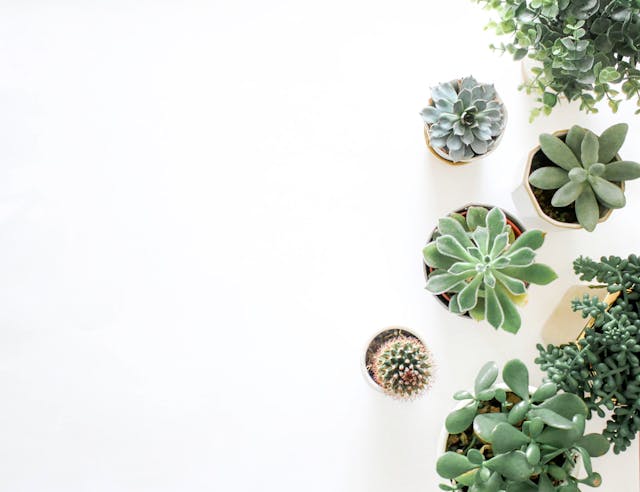
If you’re new to gardening or just looking to add some greenery to your home, starting with the best plants for beginners is the smart way to go. These plants are simple to care for, hard to kill, and perfect for building your plant confidence.
Whether you live in a small apartment in New York, a sunny house in California, or a student dorm in Texas, there’s a beginner-friendly plant for you. Let’s explore easy plants you can grow, how to care for them, what they cost, and what to expect.
Table of Contents
🌿 Why Start with the Best Plants for Beginners?
Choosing easy plants helps you learn without stress. You’ll enjoy these benefits:
- Build confidence in plant care.
- Learn plant habits without complicated rules.
- Brighten your space with green beauty.
- Improve indoor air (some plants do this).
Most beginner plants need low light, little water, and lots of love!
🌱 Top 12 Best Plants for Beginners
Here’s a list of the best plants for beginners, based on ease of care, availability, and popularity.
- Snake Plant (Sansevieria)
- Location: Bedroom, living room
- Size: 6″ to 3 ft tall
- Price: $10 – $45
- Advantages: Low light, needs water once a month
- Disadvantages: Can rot if overwatered
- Example: Used in office spaces for air-purifying qualities
- Practical Tip: Use a pot with drainage holes
- Pothos (Epipremnum aureum)
- Location: Hanging in kitchen or bathroom
- Size: Vines grow up to 10 ft indoors
- Price: $5 – $20
- Advantages: Fast-growing, easy to propagate
- Disadvantages: Toxic to pets
- Real Use: Perfect for college dorms
- Tip: Trim vines to keep it bushy
- Spider Plant (Chlorophytum comosum)
- Location: Kitchen shelf, hanging pots
- Size: 12″ to 24″ wide
- Price: $8 – $25
- Advantages: Pet-friendly, fast grower
- Disadvantages: Needs occasional repotting
- Example: Common in daycare centers for safety
- Tip: Let the topsoil dry before watering
- ZZ Plant (Zamioculcas zamiifolia)
- Location: Low-light corners
- Size: 2–3 ft
- Price: $15 – $50
- Advantages: Tolerates neglect
- Disadvantages: Toxic to pets
- Case Study: Thrived for 6 months without water in a Boston office
- Tip: Dust leaves monthly
- Aloe Vera
- Location: Windowsill with sun
- Size: 12″ to 24″
- Price: $7 – $30
- Advantages: Medicinal use for cuts
- Disadvantages: Overwatering can kill it
- Real Use: Great in kitchens
- Tip: Water deeply but rarely
- Peace Lily (Spathiphyllum)
- Location: Bathrooms or near windows
- Size: 1 to 3 ft
- Price: $12 – $40
- Advantages: Blooms indoors, air purifier
- Disadvantages: Needs frequent watering
- Example: Seen in hospital waiting areas
- Tip: Mist leaves for humidity
- Lucky Bamboo (Dracaena sanderiana)
- Location: Desks, small tables
- Size: 6″ to 3 ft
- Price: $5 – $25
- Advantages: Grows in water or soil
- Disadvantages: Sensitive to tap water
- Case Study: Lasted 5 years in filtered water in Tokyo apartment
- Tip: Change water weekly
- Philodendron
- Location: Anywhere indoors
- Size: Vines can grow up to 6 ft
- Price: $10 – $35
- Advantages: Fast growing, low light
- Disadvantages: Toxic to pets
- Tip: Don’t let it sit in water
- Jade Plant (Crassula ovata)
- Location: Sunny windows
- Size: Up to 3 ft tall
- Price: $8 – $40
- Advantages: Can live over 20 years
- Disadvantages: Doesn’t like too much water
- Real Use: Used in Feng Shui for wealth
- Tip: Use cactus soil
- Succulents
- Location: Window ledges
- Size: 2″ to 8″
- Price: $3 – $20
- Advantages: Cute and easy
- Disadvantages: Don’t like shade
- Tip: Rotate regularly for even growth
- Rubber Plant (Ficus elastica)
- Location: Bright rooms
- Size: 3–10 ft indoors
- Price: $15 – $50
- Advantages: Bold and beautiful
- Disadvantages: Needs pruning
- Tip: Wipe leaves for shine
- Cast Iron Plant (Aspidistra elatior)
- Location: Dark rooms
- Size: 1.5 to 2.5 ft
- Price: $20 – $60
- Advantages: Tough and hardy
- Disadvantages: Grows slowly
- Example: Popular in hotels and restaurants
- Tip: Avoid direct sunlight
🪴 Price & Size Chart of Best Plants for Beginners
| Plant Name | Size Range | Average Price (USD) | Light Need | Water Need |
|---|
| Snake Plant | 6”–3 ft | $10–$45 | Low | Monthly |
| Pothos | 6”–10 ft vines | $5–$20 | Medium | Weekly |
| Spider Plant | 12”–24” | $8–$25 | Medium | Weekly |
| ZZ Plant | 2–3 ft | $15–$50 | Low | Bi-weekly |
| Aloe Vera | 12”–24” | $7–$30 | High | Monthly |
| Peace Lily | 1–3 ft | $12–$40 | Medium | Weekly |
| Lucky Bamboo | 6”–3 ft | $5–$25 | Low | Water weekly |
| Philodendron | 6”–6 ft vines | $10–$35 | Low/Medium | Weekly |
| Jade Plant | 6”–3 ft | $8–$40 | High | Monthly |
| Succulents | 2”–8” | $3–$20 | High | Monthly |
| Rubber Plant | 3–10 ft | $15–$50 | High | Weekly |
| Cast Iron Plant | 1.5–2.5 ft | $20–$60 | Low | Monthly |
🌎 Real-Life Examples by Location
- New York City Apartment: Pothos in hanging baskets adds greenery without taking floor space.
- Los Angeles Home: Aloe Vera thrives on sunny balconies.
- Texas Dorm Room: ZZ Plant survives even when students forget to water it.
- Tokyo Office: Lucky Bamboo in filtered water brings calm energy.
- Toronto Cafe: Rubber Plants in corners create lush vibes.
🌼 Advantages of Beginner-Friendly Plants
- Easy to maintain
- Budget-friendly
- Improve mental health
- Clean indoor air
- Fit small spaces
⚠️ Disadvantages to Keep in Mind
- Some are toxic to pets
- Overwatering is a risk
- Some may outgrow small pots fast
- Not all grow flowers
🌐 Recommended Sources for Buying & Tips
- The Sill – Beginner Plant Kits
- Bloomscape – Indoor Plant Delivery
- NASA Study on Air-Purifying Plants
Best Plants for Beginners: Easy Indoor and Outdoor Options with Real-Life Tips
❓ FAQs About Best Plants for Beginners
What is the easiest indoor plant to care for?
The Snake Plant is one of the easiest. It needs very little water and grows in low light.
Can I grow these plants in an apartment?
Yes! Most of these plants are perfect for apartments, especially Pothos, Spider Plant, and ZZ Plant.
Are these plants safe for kids and pets?
Some plants like Spider Plant and Bamboo are safe. Others like Pothos, ZZ, and Philodendron can be toxic. Always check first.
Do beginner plants need sunlight?
Many do well in indirect sunlight. Choose based on where you’ll keep them.
How often should I water beginner plants?
Most need water once a week or less. It depends on the plant and your home’s humidity.
🏁 Conclusion
The best plants for beginners are not just easy to care for—they’re also a gateway to a calming, rewarding hobby. From a simple Snake Plant to a stylish Rubber Plant, there’s something for everyone.
You don’t need a green thumb. All you need is the right plant, a little light, and a watering routine. Try one today and watch your space come to life!
If you’re ready to shop, check out beginner bundles on The Sill or Bloomscape.
Want help picking your first plant? I’d be happy to recommend one based on your home or routine—just ask! 🌿