
Barren Wasteland: Understanding, Causes, and Restoration
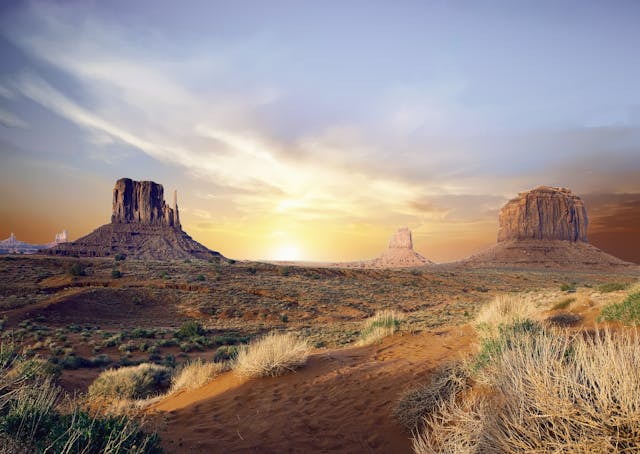
A barren wasteland is a place where the land is dry, empty, and lifeless. These areas have little to no plants, animals, or water. They are often the result of natural events or human activities that damage the environment. In this article, we’ll explore what barren wastelands are, what causes them, and how people are working to restore these lands.
Table of Contents
What Is a Barren Wasteland?
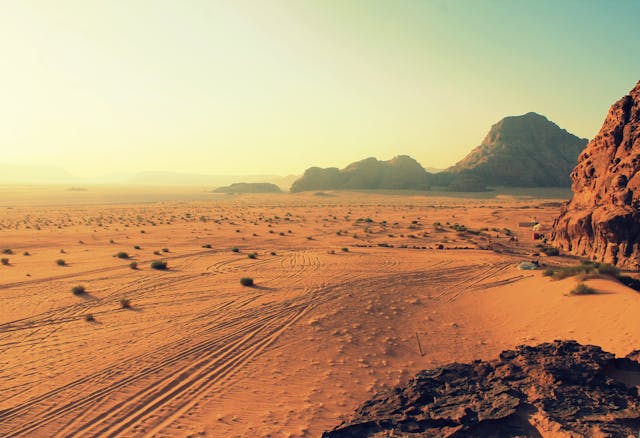
A barren wasteland is land that is dry, empty, and has very little or no vegetation. This means that plants and animals cannot live there easily. According to the Collins Dictionary, a barren landscape is dry and bare, with very few plants and no trees . These areas can be deserts, rocky lands, or places where the soil is too poor for farming.
Causes of Barren Wastelands
Several factors can turn healthy land into a barren wasteland. Let’s look at some of the main causes:
- Deforestation
Cutting down too many trees removes the plants that hold the soil together. Without trees, the soil can blow away or wash away, leaving the land bare.
- Overgrazing
When too many animals eat the grass in one area, the grass can’t grow back. This leaves the soil exposed and vulnerable to erosion.
- Poor Farming Practices
Using the same land for farming without giving it time to rest can deplete the nutrients in the soil. This makes it hard for plants to grow.
- Climate Change
Changes in the climate, such as less rainfall and higher temperatures, can dry out the land. This can lead to desertification, where fertile land becomes desert .
- Urbanization and Industrialization
Building cities and factories can damage the land. Pollution and construction can make the soil unusable for plants and animals.
Effects of Barren Wastelands
Barren wastelands can have serious effects on the environment and people:
- Loss of Biodiversity: Plants and animals lose their homes and may die out.
- Soil Erosion: Without plants to hold the soil, wind and water can carry it away.
- Reduced Agricultural Productivity: Farmers can’t grow crops, leading to food shortages.
- Water Scarcity: Dry lands can’t hold water, leading to droughts.
- Climate Change: Barren lands can’t absorb carbon dioxide, contributing to global warming.
Real-Life Examples of Barren Wastelands
Barren wastelands can be found in many parts of the world. Here are a few examples:
The Sahel Region, Africa
The Sahel is a region in Africa that has experienced desertification due to overgrazing and deforestation. Efforts are being made to restore the land using techniques like “half-moon” water harvesting .
The Gobi Desert, Asia
The Gobi Desert in Asia is expanding due to climate change and human activities. This has led to the loss of farmland and displacement of communities.
The Dust Bowl, USA
In the 1930s, parts of the USA experienced severe dust storms due to poor farming practices and drought. This event, known as the Dust Bowl, turned fertile land into barren wastelands.
Restoring Barren Wastelands
While barren wastelands are challenging, there are ways to restore them:
- Reforestation
Planting trees helps hold the soil together and brings back wildlife.
- Sustainable Farming
Practices like crop rotation and using natural fertilizers can improve soil health.
- Water Harvesting
Techniques like building “half-moon” pits can collect rainwater, helping plants grow .
- Education and Awareness
Teaching communities about sustainable land use can prevent further degradation.
Barren Wasteland: Understanding, Causes, and Restoration
FAQs about Barren Wasteland
Q1: What is a barren wasteland?
A barren wasteland is land that is dry, empty, and has little to no vegetation, making it unsuitable for farming or habitation.
Q2: What causes land to become a barren wasteland?
Causes include deforestation, overgrazing, poor farming practices, climate change, and urbanization.
Q3: Can barren wastelands be restored?
Yes, through methods like reforestation, sustainable farming, and water harvesting, barren lands can be brought back to life.
Q4: Why is it important to restore barren wastelands?
Restoring these lands helps improve biodiversity, food security, and combats climate change.
Conclusion
Barren wastelands are a serious environmental issue caused by both natural and human factors. However, with the right techniques and community involvement, it’s possible to restore these lands. By understanding the causes and effects, we can take steps to prevent land degradation and promote a healthier planet.
External Resources:
- United Nations Convention to Combat Desertification
- World Resources Institute
- Food and Agriculture Organization of the United Nations
Note: This article is written in simple language to ensure that even young readers can understand the importance of barren wastelands and the efforts to restore them.


